
Wool coats are timeless investments in both style and function. From classic trench silhouettes to tailored overcoats, their natural insulation, breathability, and elegant drape make them wardrobe staples. Yet, without proper care, wool can lose its structure, develop pills, or even shrink. The key to preserving a wool coat lies not in occasional deep cleaning but in consistent, thoughtful maintenance. With the right habits, a high-quality wool coat can last decades—retaining its shape, softness, and sophistication.
Understanding Wool: Why It Needs Special Care
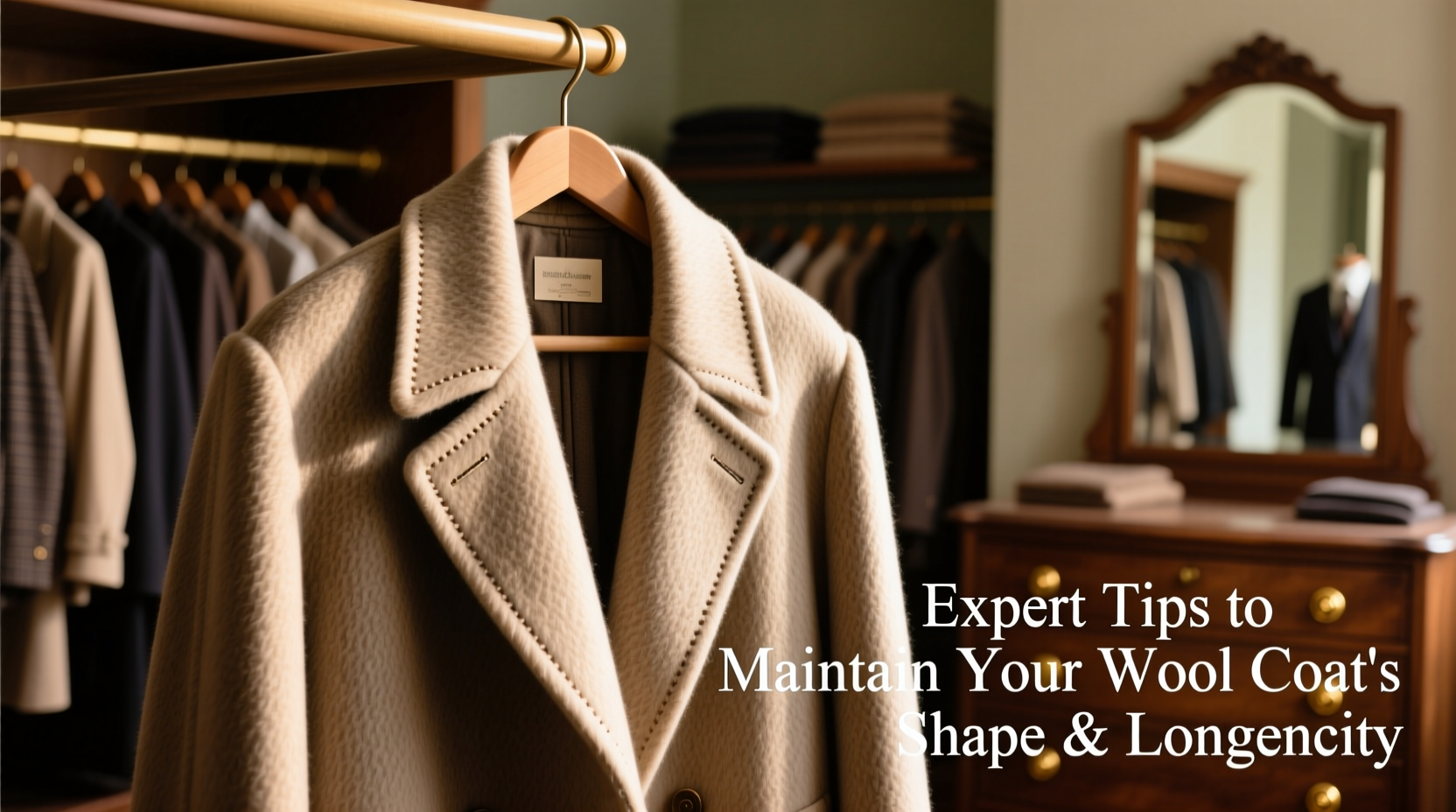
Wool is a natural protein fiber derived from sheep, prized for its resilience, moisture-wicking ability, and temperature regulation. However, it’s also sensitive to heat, friction, and improper handling. Unlike synthetic fabrics, wool fibers have scales that can interlock when exposed to agitation and moisture—a process known as felting—which leads to irreversible shrinking.
The structure of a wool coat includes multiple layers: the outer fabric, interlining for body, and often a lining for comfort. Each layer responds differently to stress. The shoulders, lapels, and hem are particularly vulnerable to deformation if hung improperly or stored incorrectly. Recognizing these sensitivities is the first step toward long-term preservation.
“Wool isn’t fragile—it’s responsive. Treat it with respect, and it will serve you for generations.” — Clara Mendez, Textile Conservator at The Royal Garment Archive
Proper Storage: Preventing Shape Distortion and Moth Damage
How you store your wool coat between seasons determines whether it emerges ready to wear or misshapen and damaged. Avoid stuffing it into tight spaces or leaving it crumpled in a closet corner. Instead, follow these guidelines:
- Use wide, padded hangers to support the shoulders and prevent stretching.
- Always button or zip the coat before hanging to maintain alignment.
- Store in a breathable cotton garment bag—not plastic—to allow airflow and reduce moisture buildup.
- Keep in a cool, dry, dark space away from direct sunlight and heating vents.
- Place natural moth deterrents like cedar blocks or lavender sachets nearby—but never directly on the fabric.
Storage Do’s and Don’ts
| Do | Don't |
|---|---|
| Use padded or wooden hangers | Use thin wire hangers |
| Store in cotton garment bags | Store in plastic bags |
| Ensure good air circulation | Stack heavy items on top |
| Check every 6–8 weeks for pests | Forget about it for months |
Cleaning Without Compromise: When and How to Wash
Over-cleaning damages wool more than under-cleaning. Most wool coats don’t need frequent washing. Spot cleaning and airing out after wear are often sufficient. Excessive washing strips natural lanolin oils, leading to brittleness and loss of shape.
Only consider professional dry cleaning 1–2 times per season unless visibly soiled. For minor spills or odors, try this method:
- Take the coat outdoors and let it air for 2–3 hours to remove odors.
- Use a soft-bristled clothes brush to gently lift surface dust and lint.
- For stains, dab with a clean cloth dampened with cold water and mild wool-safe detergent (e.g., Eucalan or Woolite).
- Blot—never rub—and allow to air-dry flat on a towel, reshaping as needed.
“Dry cleaning too often removes essential oils and stresses fibers. Airing and brushing are often enough.” — James Holloway, Master Tailor, Savile Row Atelier
Step-by-Step Guide: Reviving a Misshapen Wool Coat
If your coat has lost its form—especially in the shoulders or collar—follow this gentle restoration process:
- Steam, don’t iron: Hold a garment steamer 6 inches from the fabric. Steam helps relax fibers and reset the drape. Never press with a hot iron.
- Reshape while damp: After steaming, lay the coat flat on a clean surface. Gently tug the sleeves and hem into original proportions.
- Hang correctly: Place on a padded hanger and let it hang undisturbed for 24 hours.
- Test fit: Try it on. If areas still sag, repeat steaming with light tension.
Preventing Pilling and Surface Wear
Pilling is common in wool due to friction from seatbelts, bags, or repeated rubbing. While not a defect, it affects appearance. Prevention is better than cure:
- Avoid wearing backpacks or crossbody bags that rub against the shoulders.
- Rotate coats regularly to minimize repetitive stress.
- Use a fabric shaver or wool comb sparingly—only when pills are dense.
After using a shaver, always steam lightly to smooth the surface. Over-shaving thins the fabric and weakens the weave.
Mini Case Study: Restoring a Heirloom Coat
Sarah inherited her grandfather’s 1950s navy wool overcoat. Though structurally sound, it had shoulder dimples from a narrow hanger, a musty odor, and scattered pills. She aired it outside for two days, then brushed it thoroughly with a cashmere comb. Using a steamer, she eased the shoulder indentations and reshaped the collar. She replaced the hanger with a broad, padded one and stored it in a cotton suit bag with cedar blocks. After six months, the coat looked revitalized—ready for another generation.
Seasonal Care Checklist
To ensure your wool coat remains in peak condition year-round, follow this actionable checklist:
- Brush after every 2–3 wears.
- Air out overnight after use.
- Spot clean spills immediately.
- Inspect for moths or damage monthly.
- Professional clean only if necessary.
- Ensure completely dry before storing.
- Store on a padded hanger in breathable cover.
- Add natural repellents and check every 6 weeks.
Frequently Asked Questions
Can I wash my wool coat at home?
Hand washing is risky and not recommended for structured coats. If absolutely necessary, use cold water and wool-specific detergent, submerge gently without agitating, and lay flat to dry. However, most experts advise professional cleaning only when needed.
Why does my wool coat feel stiff after cleaning?
Dry cleaners sometimes use harsh solvents or over-dry garments, removing natural oils. Ask for “wool-safe” or “gentle cycle” cleaning. Post-clean steaming by a tailor can restore softness and drape.
How do I know if moths have damaged my coat?
Look for small holes, especially in hidden areas like under collars or inside pockets. You may also see fine webbing or tiny pellets (frass). If detected early, freezing the coat in a sealed bag for 72 hours can kill larvae before they cause further harm.
Final Thoughts: Make Longevity a Habit
A wool coat is more than outerwear—it’s a legacy piece. Its value grows not just in sentimental terms but in sustainable fashion. Every time you choose care over convenience, you extend its life and reduce environmental impact. Simple actions—brushing, proper hanging, mindful cleaning—are small investments with massive returns. By treating your wool coat with the attention it deserves, you preserve not just fabric, but craftsmanship, history, and personal style.




 浙公网安备
33010002000092号
浙公网安备
33010002000092号 浙B2-20120091-4
Comments
No comments yet. Why don't you start the discussion?