
Ceramic spoons are more than just kitchen tools—they blend function and artistry. Whether used daily or reserved for special occasions, a well-made ceramic spoon can last decades. But not all ceramic spoons are built to endure. Many break easily, chip under heat, or degrade after repeated washing. Choosing one that combines durability with aesthetic appeal requires understanding materials, craftsmanship, and proper usage. This guide breaks down the essential factors in selecting ceramic spoons that stand the test of time.
Understand the Types of Ceramic Materials
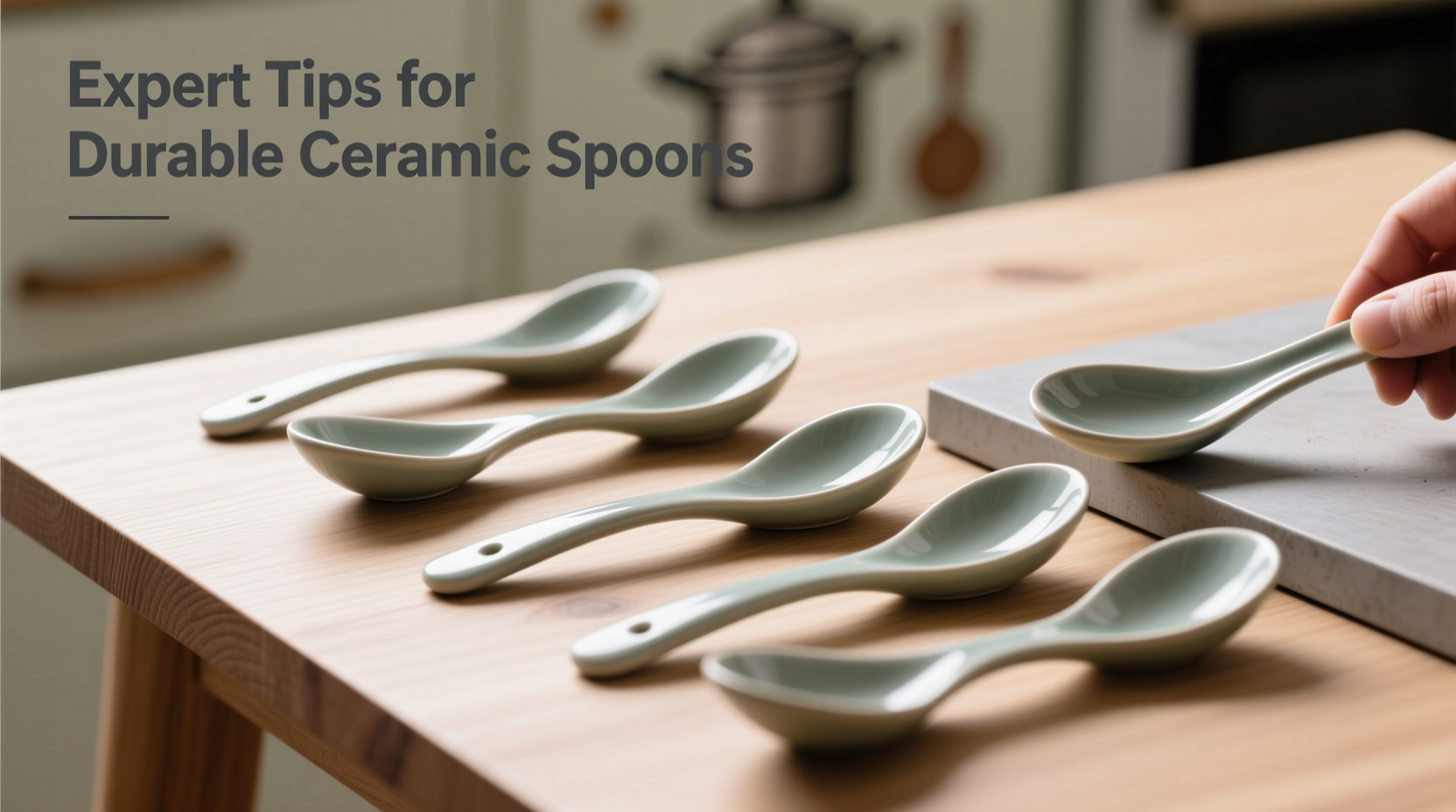
The foundation of a durable ceramic spoon lies in its material composition. Not all ceramics are created equal. The three primary types—earthenware, stoneware, and porcelain—differ significantly in strength, density, and resistance to wear.
- Earthenware: Often brightly colored and porous, earthenware is fired at lower temperatures. While visually appealing, it's more fragile and prone to chipping and cracking. It also absorbs moisture, making it less ideal for frequent use unless properly glazed.
- Stoneware: Fired at higher temperatures (around 1,200°C), stoneware is denser, non-porous, and highly resistant to thermal shock. This makes it an excellent choice for spoons used in hot soups or beverages. Its durability and low water absorption rate ensure longevity.
- Porcelain: Known for its smooth, translucent finish, porcelain is strong but can be brittle if thin. High-quality porcelain, especially vitrified varieties, offers good durability and stain resistance. However, it’s often more expensive and best suited for decorative or light-use settings.
Evaluate Craftsmanship and Design Features
Beyond material, the construction of the spoon plays a crucial role in its lifespan. A poorly made handle or uneven glaze can compromise both safety and longevity.
Examine the following design aspects:
- Handle thickness and balance: A sturdy, ergonomically shaped handle resists snapping under pressure. Thicker handles generally offer better durability, especially if the spoon is used for stirring dense foods.
- Seam between bowl and handle: Look for a seamless or well-integrated joint. Weak points where the bowl meets the handle are common fracture sites.
- Glaze quality: A uniform, crack-free glaze prevents liquid absorption and bacterial growth. Avoid spoons with visible pinholes, bubbles, or crazing (fine cracks in the glaze).
- Weight distribution: A balanced spoon feels stable in hand. Lightweight spoons may indicate thin walls, increasing breakage risk.
| Feature | Durable Choice | Avoid If… |
|---|---|---|
| Material | Vitrified stoneware | Unglazed earthenware |
| Handle Design | Thick, smoothly joined | Thin or sharply angled joints |
| Glaze Finish | Glossy, even, no cracks | Crazing or rough texture |
| Firing Process | High-temperature kiln fired | Low-fire or air-dried |
Recognize Quality Markers from Reputable Makers
Artisanal and handmade ceramic spoons often carry subtle signs of quality that mass-produced versions lack. These include hand-inspected finishes, batch-specific markings, and consistent firing records.
When purchasing, look for:
- Certifications or labels indicating food-safe glazes (e.g., “lead-free” or “FDA-compliant”)
- Maker’s stamps or signatures, which suggest accountability and pride in craftsmanship
- Transparency about the origin and production process—brands that disclose their kiln temperatures and clay sources tend to prioritize quality
“Durability starts before the spoon is even shaped. The right clay body, refined and aged properly, sets the stage for a resilient final product.” — Lena Torres, Master Potter & Ceramics Instructor
Step-by-Step Guide to Testing Spoon Durability Before Purchase
You don’t need lab equipment to assess a ceramic spoon’s resilience. Follow this practical checklist before buying:
- Inspect under light: Hold the spoon near a bright source. Check for hairline cracks, glaze imperfections, or warping.
- Tap test: Gently tap the bowl with a fingernail or metal object. A clear, ringing sound indicates a well-fired, dense structure. A dull thud suggests weakness or internal flaws.
- Check weight: Compare it to other spoons of similar size. Heavier usually means thicker walls and better durability.
- Feel the edges: Run your finger along the rim and handle. Smooth, rounded edges are less likely to chip and more comfortable to use.
- Ask about oven/microwave safety: Confirm whether the spoon is rated for thermal changes. True stoneware should withstand boiling liquids without cracking.
Maintain Your Ceramic Spoons for Long-Term Use
Even the best-made spoons won’t last without proper care. Daily habits determine how long they remain functional and beautiful.
Follow these maintenance guidelines:
- Avoid thermal shock: Never transfer a cold ceramic spoon directly into boiling liquid. Allow it to warm gradually.
- Hand wash preferred: Dishwashers expose ceramics to high-pressure jets and rapid temperature shifts. Hand washing with mild soap preserves glaze integrity.
- Store carefully: Keep spoons in a padded drawer or utensil holder. Stacking or tossing them loosely increases chipping risk.
- Don’t use for heavy tasks: Avoid using ceramic spoons to scrape pots or open containers. They’re not designed for leverage or impact.
Real Example: The Restaurant That Switched to Ceramic
A boutique café in Portland replaced plastic stirring spoons with custom stoneware versions to reduce waste and elevate presentation. Initially, they chose inexpensive porcelain spoons online. Within two months, over 40% had cracked due to dishwasher use and sudden temperature changes.
They consulted a local potter who recommended thicker, high-fired stoneware with reinforced handles. The new spoons were hand-washed and pre-warmed before use in hot drinks. After one year, only two spoons were damaged—both due to accidental drops. The switch not only improved sustainability but also enhanced customer perception of quality.
FAQ: Common Questions About Durable Ceramic Spoons
Can ceramic spoons go in the microwave?
Yes, but only if they are labeled microwave-safe. Avoid any with metallic paint or trim, as these can spark. Even safe ceramics should be warmed gradually to prevent cracking.
Why did my ceramic spoon crack in hot soup?
This is typically due to thermal shock. If the spoon was cold (e.g., stored in a cupboard) and placed directly into boiling liquid, the sudden expansion caused stress fractures. Always pre-rinse with warm water first.
Are handmade ceramic spoons more durable than factory-made ones?
Not necessarily. Handmade spoons from skilled artisans using high-fire techniques are often superior. However, mass-produced stoneware from reputable brands can also offer excellent durability. Focus on material and construction, not just origin.
Final Checklist: How to Choose a Long-Lasting Ceramic Spoon
- ✅ Material:
- Select vitrified stoneware or high-grade porcelain.
- ✅ Construction:
- Look for thick handles, seamless joins, and balanced weight.
- ✅ Glaze:
- Ensure it’s smooth, even, and free of cracks or bubbles.
- ✅ Safety:
- Verify lead-free, food-safe certification.
- ✅ Care Instructions:
- Choose spoons with clear usage guidelines—especially regarding heat and cleaning.
Conclusion: Make a Lasting Choice
Choosing a durable ceramic spoon isn’t just about aesthetics—it’s an investment in sustainable, thoughtful living. By prioritizing high-fired stoneware, inspecting craftsmanship, and practicing mindful use, you can enjoy a simple tool that lasts for years. Whether you're stirring morning tea or serving soup to guests, a well-chosen ceramic spoon adds quiet elegance to everyday rituals.




 浙公网安备
33010002000092号
浙公网安备
33010002000092号 浙B2-20120091-4
Comments
No comments yet. Why don't you start the discussion?