
Allspice is one of the most misunderstood spices in the modern pantry—its name suggests a blend, yet it comes from a single berry. Revered for its complex aroma that evokes notes of cinnamon, cloves, and nutmeg, allspice plays a vital role in global cuisines, from Jamaican jerk seasoning to Middle Eastern stews. Despite its widespread use, many home cooks remain uncertain about how to harness its full potential or distinguish it from actual spice blends. Understanding allspice—its botanical origin, sensory profile, and functional versatility—is essential for building depth in both traditional and contemporary dishes.
Definition & Overview
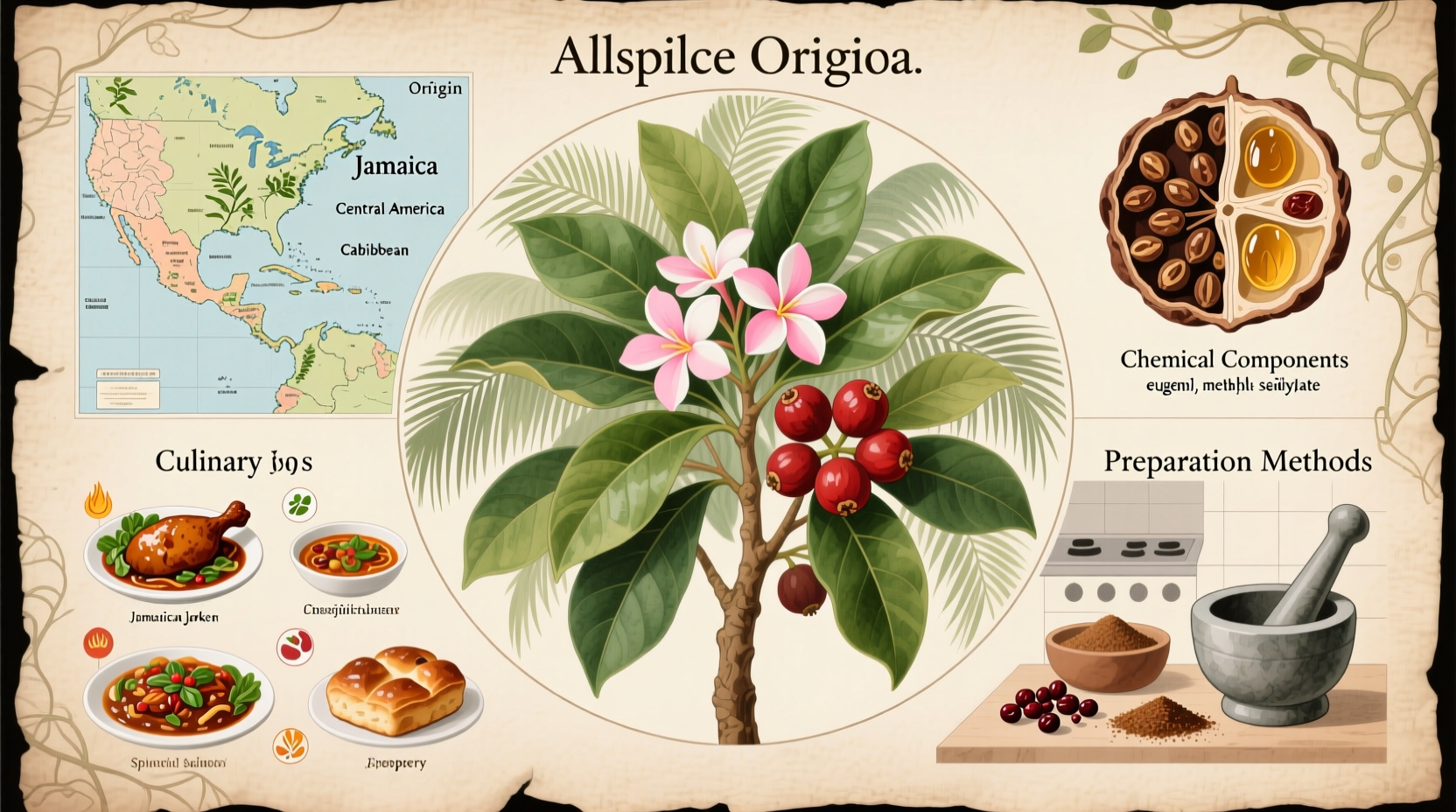
Allspice, scientifically known as Pimenta dioica, is the dried unripe berry of an evergreen tree native to the Greater Antilles, southern Mexico, and Central America. The name “allspice” was coined by English explorers in the 17th century who noted its combined aromatic qualities resembling a mixture of cinnamon, cloves, and nutmeg—thus appearing to be “all” spices in one. However, it is not a blend but a distinct botanical entity with a unique chemical composition.
The allspice tree thrives in tropical climates, with Jamaica historically producing the highest quality berries due to ideal soil and humidity conditions. Harvested by hand before ripening, the berries are sun-dried until they shrivel into small, dark brown spheres about 5–7 mm in diameter. Whole allspice retains its potency far longer than ground, making it a preferred form among professional chefs and spice connoisseurs.
Culinarily, allspice functions as a bridge between sweet and savory applications. It appears in pickling brines, charcuterie, baked goods, curries, and marinades across Caribbean, Latin American, Mediterranean, and Middle Eastern traditions. Its warm, slightly peppery sweetness lends complexity without overpowering other ingredients, making it a subtle yet transformative agent in layered seasoning.
Key Characteristics
| Attribute | Description |
|---|---|
| Flavor Profile | Warm, sweet, and mildly pungent with top notes of clove, undertones of cinnamon, and a faint nutmeg-like finish; slight peppery bite on the back palate. |
| Aroma | Richly fragrant when crushed or ground; releases volatile oils reminiscent of baking spices and smoked wood. |
| Form Available | Whole berries, coarsely cracked, finely ground, and as essential oil or liquid extract. |
| Color | Deep mahogany brown when whole; lighter tan when ground due to oxidation. |
| Heat Level | Mild warmth (1–2/10 on heat scale); non-pungent compared to chili peppers but has a subtle tingle akin to black pepper. |
| Culinary Function | Flavor enhancer, preservative (in pickling), tenderizer (in marinades), and aromatic base (in stocks and braises). |
| Shelf Life | Whole berries: 3–4 years in airtight container; ground: 6–12 months before significant flavor loss. |
Practical Usage: How to Use Allspice in Cooking
Allspice’s balanced profile makes it adaptable across temperature methods and ingredient groupings. When used thoughtfully, it enhances rather than dominates. Here are practical ways to incorporate allspice into everyday cooking:
1. In Savory Dishes
Allspice is foundational in Caribbean jerk seasoning, where whole or cracked berries are simmered with thyme, scotch bonnet peppers, garlic, and green onions to marinate chicken or pork. The spice penetrates meat during slow grilling or roasting, contributing smokiness and warmth.
In Middle Eastern cuisine, particularly in Lebanon, Syria, and Egypt, ground allspice seasons kibbeh, stuffings, and rice pilafs. It pairs exceptionally well with lamb, balancing gaminess while adding aromatic lift. A classic application is adding ¼ teaspoon ground allspice to a pound of ground lamb along with cumin, coriander, and mint.
Braising liquids benefit from one or two whole allspice berries, which infuse soups, stews, and bean dishes without leaving gritty residue. Like bay leaves, they’re typically removed before serving. For example, in Jamaican oxtail stew, whole allspice berries are toasted lightly before being added to the pot, enhancing their essential oils.
2. In Baking and Desserts
In North American and European baking, allspice appears in spiced cakes, pumpkin pies, gingerbread, and fruit compotes. It complements apples, pears, plums, and winter squash. Use ½ teaspoon ground allspice per batch of muffins or quick breads for balanced warmth.
When combined with cinnamon and cloves, allspice forms part of pumpkin pie spice (typically 1 part allspice to 3 parts cinnamon and 2 parts cloves). However, substituting pre-mixed blends with individual spices allows greater control over intensity and freshness.
3. In Pickling and Preserves
Allspice is a staple in pickling spice blends due to its antimicrobial properties and ability to cut through acidity. Add two to three whole berries per quart jar when pickling cucumbers, onions, or mixed vegetables. The spice mellows during fermentation, integrating seamlessly into the final product.
TIP: Toast whole allspice berries in a dry skillet over medium heat for 60–90 seconds before grinding. This intensifies their aroma and unlocks deeper flavor compounds. Cool slightly before using in recipes.
4. Professional Techniques
- Infused Oils: Steep 1 tablespoon whole allspice berries in 1 cup warm neutral oil (like grapeseed) for 24 hours, then strain. Use in vinaigrettes or drizzle over roasted root vegetables.
- Stock Enhancement: Add one whole allspice berry to mirepoix-based stocks or bone broths for subtle warmth without clove-like sharpness.
- Spice Rubs: Combine equal parts ground allspice, smoked paprika, brown sugar, and salt for a barbecue rub ideal for ribs or brisket.
Variants & Types
Allspice is available in several physical forms, each suited to specific culinary purposes:
| Type | Characteristics | Best Uses |
|---|---|---|
| Whole Berries | Firm, round, dark brown; retain essential oils longest. | Pickling, stock-making, long simmers; ideal for controlled infusion. |
| Cracked Allspice | Coarsely broken pieces; faster flavor release than whole. | Rubs, sausages, artisanal breads; adds texture and bursts of flavor. |
| Ground Allspice | Fine powder; convenient but loses potency quickly. | Baking, spice blends, sauces; best used within six months of grinding. |
| Essential Oil / Extract | Highly concentrated; requires dilution. | Perfumery, natural preservatives, commercial food production; use sparingly (drops only). |
Additionally, regional variations exist based on terroir. Jamaican allspice is considered superior due to higher eugenol content (the compound responsible for clove-like aroma), while Mexican and Honduran varieties may have more peppery or floral nuances. Specialty retailers often label origin, allowing chefs to select based on desired profile.
Comparison with Similar Ingredients
Allspice is frequently mistaken for a blend because of its multifaceted aroma. Below are key distinctions from commonly confused items:
| Ingredient | Difference from Allspice |
|---|---|
| Pumpkin Pie Spice | A blend containing allspice, cinnamon, ginger, nutmeg, and cloves. Allspice is just one component; cannot substitute 1:1 in reverse. |
| Five-Spice Powder | Chinese blend (star anise, fennel, Sichuan pepper, cloves, cinnamon). More licorice-forward and numbing; not interchangeable with allspice. |
| Clove | Stronger, sharper, and more medicinal. While allspice contains clove notes, it lacks the intensity and bitterness of pure clove. |
| Nutmeg | Sweeter, creamier, less spicy. Nutmeg lacks the peppery backbone and cinnamon nuance found in allspice. |
| Cinnamon | Softer, sweeter bark flavor. Cinnamon does not provide the clove-like punch or subtle heat of allspice. |
\"Allspice is the silent architect of flavor in many classic dishes—it doesn’t shout, but remove it, and the dish collapses.\" — Chef Marisol Delgado, Caribbean Culinary Institute
Practical Tips & FAQs
How much allspice should I use?
Start with ¼ to ½ teaspoon of ground allspice per four servings in savory dishes. In baking, ½ teaspoon per batch of cookies or cake is typical. Overuse can lead to a medicinal or overly clove-like taste.
Can I substitute allspice?
If unavailable, combine equal parts ground cinnamon, nutmeg, and cloves. Use half the amount called for in the recipe (e.g., replace 1 tsp allspice with ½ tsp blend). Note: this mimics flavor but not exact chemistry.
Is allspice safe for daily consumption?
Yes, in culinary amounts. However, concentrated essential oil contains high levels of eugenol, which in excess may affect liver function. Stick to food-grade ground or whole spice for regular use.
Does allspice contain allergens?
Allspice itself is not a common allergen, but cross-reactivity may occur in individuals sensitive to clove or myrtle family plants. Always label clearly in shared kitchens.
What dishes showcase allspice best?
- Jamaican Jerk Chicken
- Swedish Meatballs (uses whole berries in broth)
- Moroccan Tagines
- Apple-Cranberry Chutney
- German Mulled Wine (Glühwein)
- Mexican Mole Poblano (some versions include it)
Storage Guidelines
Store whole allspice berries in an airtight glass jar away from light and heat. Keep in a cool, dark cabinet—not above the stove. Ground allspice should be replaced every 6–8 months. For maximum freshness, buy whole and grind as needed using a dedicated spice grinder or mortar and pestle.
Case Study: Reviving a Traditional Recipe
A Brooklyn-based chef restoring a 19th-century Sephardic Jewish recipe for stuffed grape leaves discovered inconsistent results despite following historical proportions. After consulting archival spice logs, she realized modern “allspice” was being substituted too liberally. By switching to whole berries, lightly toasted and used at a rate of one per dozen rolls, and removing them before serving, the dish regained its authentic balance—warm but not dominant, aromatic without bitterness. This illustrates how form and dosage critically impact outcome.
Summary & Key Takeaways
Allspice is not a blend but a singular, potent berry with a remarkably complex flavor profile that bridges clove, cinnamon, and nutmeg. Native to the Caribbean and Central America, it has become indispensable in global cuisines—from jerk marinades to Scandinavian pastries. Its versatility spans sweet and savory domains, functioning as both a background enhancer and a defining note depending on application.
To maximize its potential, prioritize whole berries over pre-ground versions for superior shelf life and flavor control. Use judiciously—especially in powdered form—to avoid overpowering delicate dishes. Understand that while substitutes exist, none replicate the full spectrum of allspice’s aromatic chemistry.
Whether you're crafting a holiday spice mix, slow-cooking a stew, or fermenting pickles, allspice offers a depth few single spices achieve. Treat it not as a convenience item but as a precision tool in your seasoning arsenal.
Call to Action: Audit your spice rack today—check the date on your ground allspice. If it’s been over a year, consider replacing it with fresh whole berries and experience the difference in your next roast or dessert.




 浙公网安备
33010002000092号
浙公网安备
33010002000092号 浙B2-20120091-4
Comments
No comments yet. Why don't you start the discussion?