
Soup is one of the most universal forms of nourishment—simple yet profound, humble yet deeply expressive of culture. Across continents and centuries, it has served as sustenance, medicine, celebration, and comfort. From the steaming bowls of pho in Hanoi to the rich bisques of Parisian bistros, soups reflect local ingredients, climate, history, and tradition. Understanding the world’s most popular soups offers more than just recipe ideas; it provides insight into how people live, eat, and connect through food. This guide explores iconic soups from diverse culinary traditions, detailing their defining characteristics, preparation methods, and cultural significance—equipping home cooks and food lovers with both knowledge and inspiration.
Definition & Overview
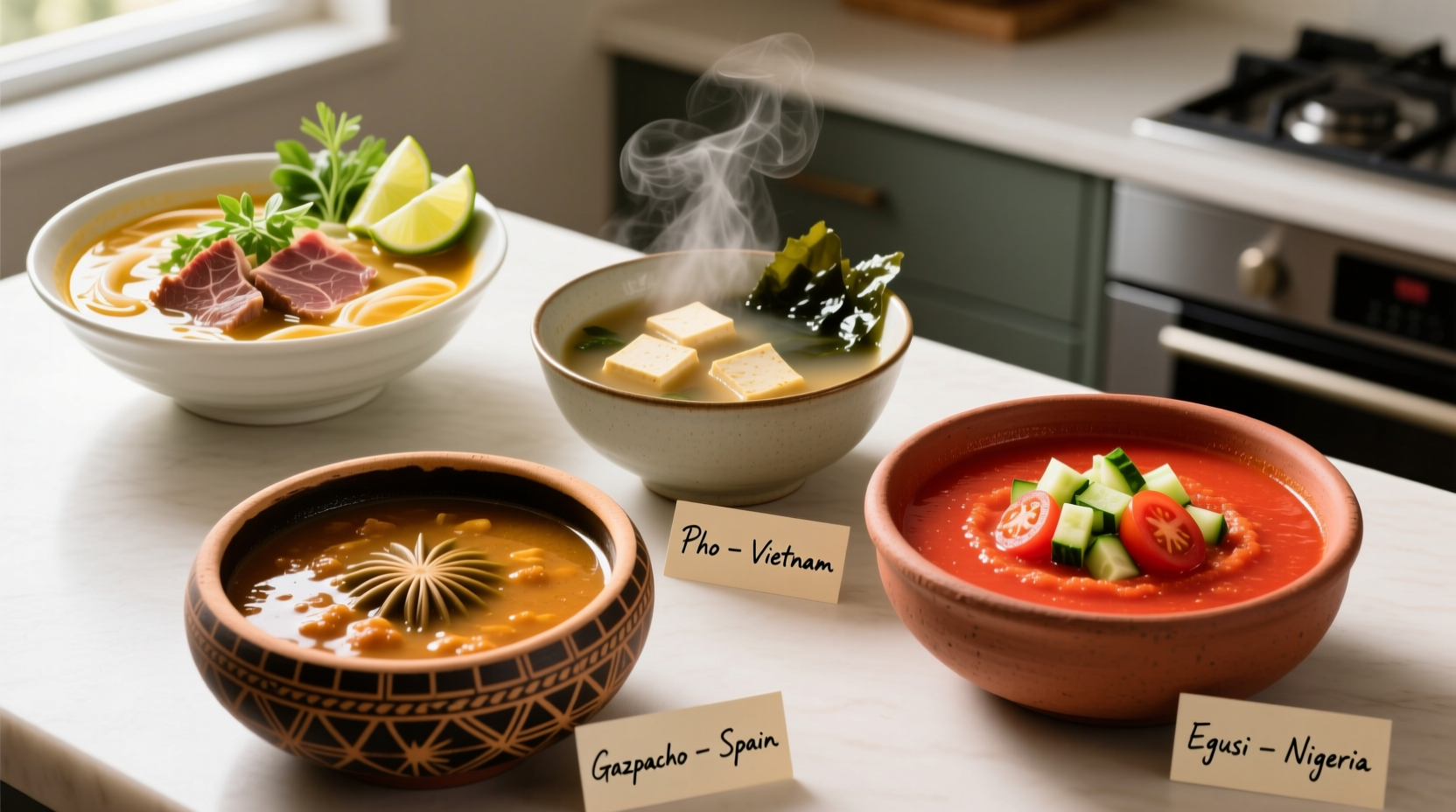
A soup is a liquid-based dish typically made by simmering ingredients such as meat, poultry, fish, vegetables, legumes, or grains in water or stock. It can be clear or thickened, brothy or creamy, served hot or cold, and ranges from simple peasant fare to refined haute cuisine. While definitions vary, two broad categories are generally recognized: clear soups, including consommés and broths, and thick soups, such as purées, chowders, and bisques.
Globally, soup functions not only as a meal component but often as a complete dish. Its versatility allows adaptation to seasonal availability, economic conditions, and dietary needs. In colder climates, hearty stews and meat-based broths dominate; in tropical regions, coconut milk, citrus, and fresh herbs lend brightness and balance. The act of making soup—layering flavors, slow-simmering bones, toasting spices—is a foundational skill in nearly every culinary tradition.
Key Characteristics of Global Soups
While each soup has unique traits, several factors define their identity:
| Characteristic | Description |
|---|---|
| Flavor Profile | Varies widely—umami-rich (miso), spicy (tom yum), herbal (bouillabaisse), sour (solyanka), sweet-savory (pumpkin bisque). |
| Aroma | Determined by aromatics: garlic, ginger, lemongrass, onions, bay leaves, smoked paprika, or toasted cumin. |
| Texture | Can be brothy, creamy, chunky, smooth, gelatinous (bone broth), or stew-like. |
| Heat Level | Ranges from mild (French onion) to fiery (kimchi jjigae), depending on chili use. |
| Culinary Function | Appetizer, main course, medicinal remedy, ceremonial dish, or everyday staple. |
| Shelf Life | Fresh soups last 3–5 days refrigerated; acidic or fermented types (like borscht) may keep longer. |
Variants & Types: A Global Tour
The diversity of global soups reflects regional agriculture, trade routes, and historical influences. Below are some of the most celebrated and representative types, categorized by region and culinary approach.
1. Pho (Vietnam)
Pho is Vietnam’s national soup, originating in the early 20th century in the northern city of Nam Dinh. It features rice noodles in a deeply aromatic beef or chicken broth, flavored with charred ginger, star anise, cinnamon, and cloves. Toppings include thinly sliced raw beef (cooked in hot broth), bean sprouts, Thai basil, lime, and sliced chili.
- Flavor: Fragrant, savory, slightly sweet, with herbal complexity.
- Best paired with: Fresh herbs, hoisin sauce, sriracha.
- Home tip: Simmer beef bones for at least 6 hours; skim fat regularly for clarity.
2. Miso Soup (Japan)
A staple of Japanese breakfasts, miso soup consists of dashi (kombu and bonito-based stock) and dissolved miso paste, usually accompanied by tofu, wakame seaweed, and scallions. Three main miso types—white (shiro), red (aka), and mixed (awase)—alter the flavor intensity.
- Flavor: Umami-rich, salty-sweet, delicate.
- Do not boil: Add miso off-heat to preserve probiotics and aroma.
- Variations: Clam miso (with mirugai), natto miso, vegetable.
3. Tom Yum (Thailand)
This hot and sour Thai soup comes in two primary forms: tom yum goong (with shrimp) and tom yum pla (with fish). Made with lemongrass, kaffir lime leaves, galangal, chili, lime juice, and fish sauce, it balances all five tastes: spicy, sour, salty, sweet, and umami.
- Clear vs. Creamy: Tom yum nam sai (clear) uses no coconut milk; tom yum nam khon includes it.
- Heat source: Fresh bird’s eye chilies or prik nam pla (chili-fish sauce condiment).
4. Borscht (Eastern Europe)
Rooted in Ukraine but widespread across Russia, Poland, and Belarus, borscht is a beet-based soup known for its vibrant red color and earthy-sour profile. It can be vegetarian or include beef, pork, or sausage (like kielbasa). Served with a dollop of sour cream and dill.
- Acidity source: Traditionally from fermented beet brine or vinegar.
- Cold version: *Chłodnik* in Poland—a chilled summer variant with yogurt and cucumbers.
- Vegetable base: Onions, carrots, cabbage, potatoes, and beets sautéed before simmering.
5. French Onion Soup (France)
A classic of French bistro cuisine, this soup transforms caramelized onions into a rich, golden broth enhanced with dry white wine and beef stock. It is traditionally finished under the broiler with a crusty baguette slice and melted Gruyère cheese.
- Time investment: Onions must caramelize slowly over low heat (45–60 minutes).
- Wine choice: Dry varieties like Sauvignon Blanc or Pinot Gris add depth without sweetness.
- Professional trick: Deglaze the pan with brandy for extra richness.
6. Minestrone (Italy)
An Italian vegetable soup with ancient roots, minestrone varies by season and region. Common ingredients include beans (cannellini or borlotti), tomatoes, zucchini, carrots, celery, pasta or rice, and leafy greens like cavolo nero. Parmesan rind adds umami during simmering.
- Thickening agent: Starchy beans and pasta release starch into the broth.
- Storage benefit: Flavor improves after 24 hours; ideal for meal prep.
- Regional twist: Ligurian versions include pesto stirred in at the end.
7. Gazpacho (Spain)
A cold soup from Andalusia, gazpacho is made by blending raw tomatoes, cucumber, bell pepper, onion, garlic, olive oil, and sherry vinegar. No cooking is involved, preserving freshness and acidity.
- Texture: Smooth or rustic-chopped, depending on preference.
- Serving: Chilled, often garnished with diced vegetables (gazpacho \"crudo\") or croutons.
- Variants: White gazpacho (*ajo blanco*) uses almonds and grapes instead of tomatoes.
8. Kimchi Jjigae (Korea)
A spicy, fermented stew made primarily with aged kimchi, tofu, pork (often belly), and gochujang (fermented chili paste). The longer the kimchi has fermented, the more complex and sour the broth becomes.
- Broth base: Anchovy or kelp stock, or water with soy sauce.
- Cooking vessel: Often served bubbling in a stone pot (*dolsot*) to maintain heat.
- Pairing: With steamed rice and banchan (side dishes).
9. Avgolemono (Greece)
Literally meaning “egg-lemon,” avgolemono is a silky soup made by tempering eggs with lemon juice and gradually incorporating hot chicken broth. It often contains shredded chicken and rice or orzo.
- Emulsification key: Temper eggs slowly to avoid curdling.
- Flavor: Bright, tangy, comforting—ideal for colds.
- Origin: Sephardic Jewish influence, now integral to Greek cuisine.
10. Chowder (North America)
Most famously New England clam chowder, this thick, creamy soup combines clams, potatoes, onions, and sometimes salt pork in a milk or cream base. Manhattan clam chowder substitutes tomato broth for cream, yielding a lighter, tangier profile.
- Thickening: Roux (butter + flour) or cream; never cornstarch in traditional recipes.
- Seafood variants: Corn chowder, seafood medley, smoked fish.
- Serving tradition: In bread bowls at coastal restaurants.
Comparison with Similar Ingredients
Many soups share ingredients or names but differ significantly in execution. Clarifying these distinctions prevents confusion and enhances authenticity in home cooking.
| Soup Pair | Differences |
|---|---|
| Pho vs. Ramen | Pho uses rice noodles and Vietnamese spices (star anise, cinnamon); ramen uses wheat noodles and Japanese dashi or tonkotsu broth with soy or miso base. |
| Borscht vs. Beet Soup (Western) | Traditional borscht includes fermentation and meat; Western versions are often simplified, vegan, and lack sourness. |
| Tom Yum vs. Tom Kha | Tom yum is hot and sour; tom kha is milder, creamier, with coconut milk and galangal as dominant notes. |
| Minestrone vs. Pasta e Fagioli | Minestrone is broader and vegetable-heavy; pasta e fagioli focuses on beans and pasta, often thicker and heartier. |
| Chowder vs. Bisque | Chowder is chunky with visible ingredients; bisque is smooth, strained, and often shellfish-based with heavy cream. |
Pro Tip: When adapting global soups, prioritize authentic ingredients where possible—real miso paste, Korean gochujang, Spanish smoked paprika—but substitute thoughtfully when necessary. For example, kombu can be replaced with dried mushrooms in dashi; fish sauce with soy sauce and lime in Thai dressings (though not identical).
Practical Usage: How to Cook Global Soups at Home
Mastering international soups involves understanding technique, sequencing, and layering. Follow these guidelines for consistent results:
- Build the base: Sauté aromatics (onion, garlic, ginger, leeks) in fat (oil, butter, lard) to develop foundation flavors.
- Bloom spices: Toast whole or ground spices (cumin, coriander, turmeric) briefly in oil to release essential oils.
- Use quality liquid: Homemade stock enhances depth. If using store-bought, choose low-sodium and enrich with bones, shells, or trimmings.
- Simmer gently: Avoid boiling vigorously, especially with dairy or egg-based soups, to prevent separation.
- Season progressively: Salt in stages; acidic elements (vinegar, citrus) are best added at the end.
- Finish with freshness: Stir in herbs, citrus zest, or a drizzle of oil just before serving to brighten the dish.
For restaurant-style presentation, consider texture contrast: top a smooth pumpkin bisque with spiced pepitas, or add crispy shallots to Vietnamese pho. Temperature matters—serve cold soups well-chilled, hot soups steaming but not scalding.
Practical Tips & FAQs
How do I thicken soup without flour?
Puree part of the soup using an immersion blender. Alternatively, add mashed potatoes, cooked lentils, or a slurry of cornstarch and water (use sparingly).
Can I freeze soup?
Yes, most soups freeze well for up to 3 months. Avoid freezing dairy-heavy soups (like chowder), which may separate. Cool completely before storing in airtight containers, leaving headspace for expansion.
What’s the best way to reheat soup?
Reheat gently over medium-low heat, stirring frequently. Add a splash of water or broth if too thick. Never microwave in metal containers.
How can I make soup more nutritious?
Incorporate leafy greens (kale, spinach), legumes (lentils, chickpeas), whole grains (barley, quinoa), and lean proteins (tofu, shredded chicken). Bone broths provide collagen and minerals.
Are there vegan versions of traditional meat-based soups?
Absolutely. Use mushroom or seaweed stock for umami, smoked paprika for meatiness, and jackfruit or seitan for texture. Vegan pho, borscht, and kimchi jjigae are common adaptations.
Why did my egg-lemon soup curdle?
Curdling occurs when eggs are exposed to sudden high heat. Always temper: slowly whisk hot broth into beaten eggs, then return mixture to the pot off direct heat.
How long should soup simmer?
Clear broths: 1–4 hours. Hearty stews: 2–6 hours. Quick vegetable soups: 20–30 minutes. Overcooking delicate ingredients (herbs, seafood) leads to loss of flavor and texture.
Storage Guide: Refrigerate soup within 2 hours of cooking. Consume within 3–5 days. Label containers with date and contents. Reheat only once for safety.
“Soup is the ultimate expression of culinary patience—flavors don’t rush. They unfold. The best soups are made not by following recipes blindly, but by listening to the pot.” — Chef Elena Vasquez, Culinary Instructor, San Francisco Cooking School
Summary & Key Takeaways
Soups are far more than meals—they are edible archives of culture, geography, and human ingenuity. From the anise-scented depths of Vietnamese pho to the sun-soaked chill of Spanish gazpacho, each variety tells a story shaped by environment and heritage. Understanding their components—broth, aromatics, thickeners, acids, and finishings—empowers cooks to recreate them authentically or adapt them creatively.
Key insights include:
- The foundation of great soup lies in layered flavor development: sauté, bloom, simmer, season.
- Global soups vary in texture, temperature, and function—some are starters, others complete meals.
- Authenticity begins with ingredients: seek out real miso, proper kimchi, and quality stocks.
- Technique matters: tempering eggs, controlling heat, and finishing with brightness elevate results.
- Storage and reheating affect quality—freeze wisely, reheat gently.
Whether you're reviving a family recipe or exploring a new cuisine, soup remains one of the most accessible and rewarding forms of cooking. It invites experimentation, rewards attention, and delivers comfort with every spoonful.
Challenge: Pick one soup from this list and prepare it this week. Focus on one technique—perfecting caramelization for French onion soup, or mastering the temper for avgolemono. Note changes in flavor over time and adjust for next time. Mastery grows one bowl at a time.




 浙公网安备
33010002000092号
浙公网安备
33010002000092号 浙B2-20120091-4
Comments
No comments yet. Why don't you start the discussion?