
Protecting your dining or game table isn’t just about preserving its appearance—it’s about extending its lifespan. Whether you own a handcrafted wooden dining set or a high-end pool table, surface damage from spills, scratches, and heat can degrade both function and value. Two popular options dominate the market: felt table protectors and PVC tablecloths. While both promise protection, they differ significantly in material behavior, longevity, and suitability. Understanding these differences helps you make an informed decision based on your lifestyle, usage patterns, and aesthetic preferences.
Material Composition and Physical Properties
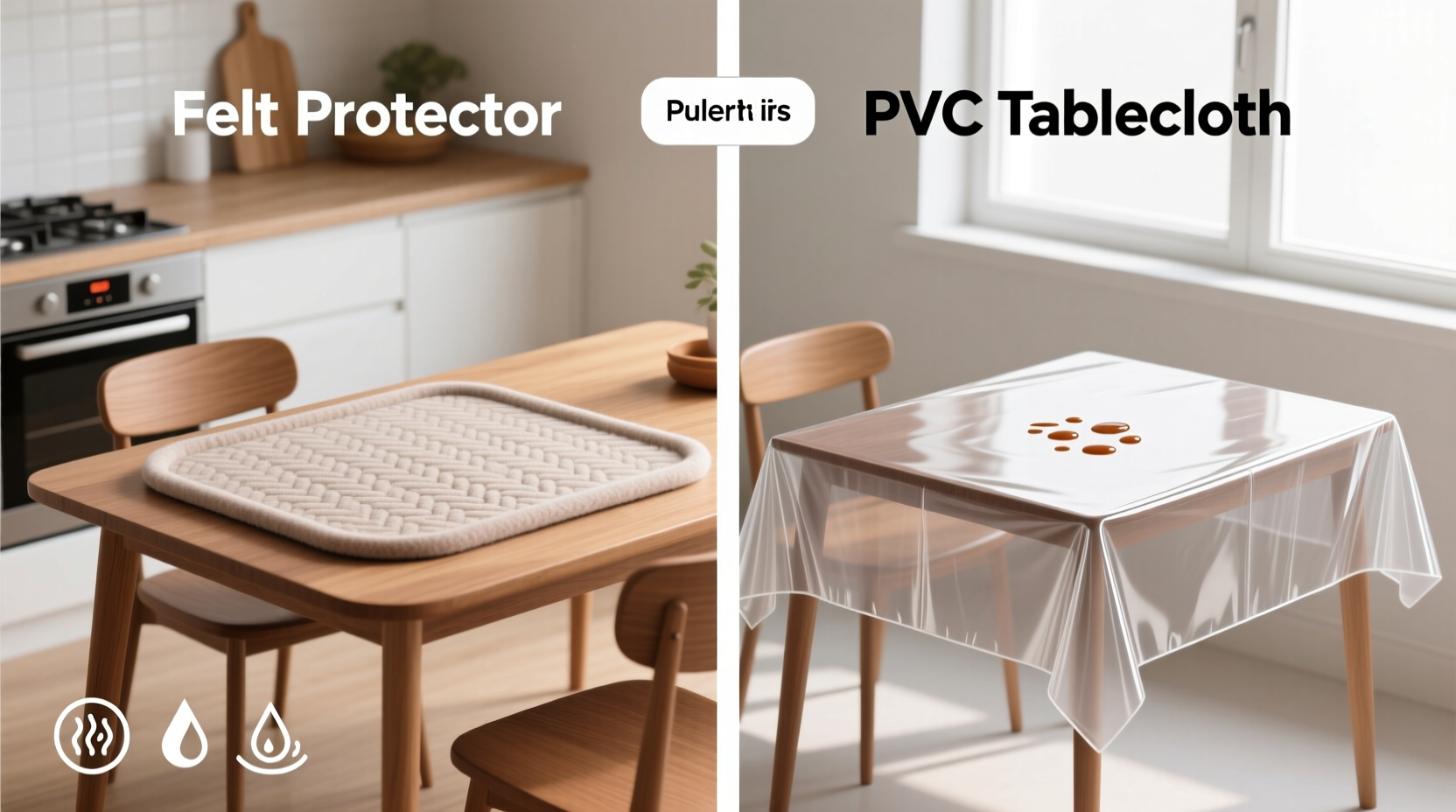
Felt table protectors are typically made from wool, synthetic fibers, or a blend of both. The material is densely compressed into a soft, non-woven fabric known for its cushioning, sound-dampening, and scratch-resistant qualities. Felt is breathable, naturally insulating, and often used in premium applications such as billiard tables and fine furniture covers.
In contrast, PVC (polyvinyl chloride) tablecloths are plastic-based sheets, usually laminated with a fabric backing or printed design layer. They’re waterproof, stain-resistant, and easy to wipe clean—ideal for casual or high-moisture environments like outdoor dining or family kitchens. However, PVC lacks breathability and can trap moisture against wood surfaces if left in place for extended periods.
Durability and Longevity Compared
Felt excels in resisting daily wear from light impacts and friction. It absorbs minor shocks and prevents dents when items are placed on the surface. High-quality wool felt can last years under regular use, especially when rotated and cleaned periodically. However, it’s not inherently waterproof—spills may seep through unless treated with a protective finish.
PVC tablecloths resist liquid penetration and are highly durable against cuts and punctures under normal conditions. But over time, exposure to UV light, temperature changes, and folding can cause them to crack, yellow, or delaminate. Once compromised, the protective layer fails, potentially exposing the table to trapped moisture underneath.
“Plastic table coverings create a false sense of security. Many users don’t realize that condensation beneath the sheet can lead to warping or mold growth on wood finishes.” — Dr. Alan Reeves, Furniture Conservation Specialist at the National Wood Preservation Institute
Protection Against Common Threats
To determine which option offers superior protection, consider the primary risks your table faces:
- Scratches and abrasions: Felt provides excellent resistance due to its fibrous texture and cushioning effect.
- Spills and stains: PVC wins here, offering full liquid barrier protection without absorption.
- Heat damage: Neither material fully insulates against hot dishes, but felt has higher thermal resistance than thin PVC, which may warp or melt under extreme heat.
- UV exposure: PVC degrades faster under sunlight; felt holds up better, though colors may fade over time.
Safety and Environmental Considerations
PVC contains plasticizers like phthalates, which can off-gas over time—especially in warm environments. These chemicals have raised health concerns, particularly in homes with children or pets. Additionally, PVC is not biodegradable and poses recycling challenges.
Felt, especially wool-based varieties, is more eco-friendly. Wool is renewable, biodegradable, and naturally flame-resistant. Even synthetic felts are generally less toxic than vinyl alternatives. For households prioritizing sustainability, felt is the clear choice.
Comparative Analysis: Felt vs PVC Table Protectors
| Feature | Felt Table Protector | PVC Tablecloth |
|---|---|---|
| Water Resistance | Limited (unless coated) | Excellent |
| Scratch Protection | Superior | Moderate (can be scratched itself) |
| Heat Resistance | Good (absorbs heat slowly) | Poor (melts or warps easily) |
| Breathability | High | None (traps moisture) |
| Aesthetic Appeal | Elegant, matte finish | Glossy, sometimes artificial look |
| Lifespan | 3–7+ years (with care) | 1–3 years (prone to cracking) |
| Eco-Friendliness | High (especially wool) | Low (non-biodegradable) |
| Cleaning & Maintenance | Vacuum or spot clean; avoid soaking | Wipe with damp cloth; no submersion |
Real-World Use Case: A Family Dining Table
The Thompson family owns a solid oak dining table passed down through generations. With three young children, spills and crayon marks were frequent. Initially, they opted for a clear PVC tablecloth for its wipe-clean convenience. Within eight months, however, they noticed a musty odor and discovered mildew forming beneath the plastic where juice had seeped around the edges and couldn’t evaporate. The wood showed signs of localized swelling.
They switched to a custom-cut wool-blend felt protector. Though less effective against direct liquid spills, they paired it with placemats and coasters. The felt eliminated scratching from utensils and provided a quieter, warmer feel during meals. After two years, the table remains pristine, and the felt shows only minimal edge fraying—easily maintained by rotating it monthly.
This case illustrates a key insight: total protection depends not just on the material, but on how it integrates with user habits.
Step-by-Step Guide to Choosing the Right Protector
- Assess your table’s primary use: Is it decorative, frequently used for meals, or a game surface?
- Identify main threats: Spills? Scratches? Heat? Sunlight? Prioritize accordingly.
- Evaluate material compatibility: Avoid PVC on antique or sealed wood unless used temporarily.
- Consider household factors: Presence of kids, pets, allergies, or environmental sensitivities.
- Test a sample: Order small swatches of both materials to evaluate texture, fit, and ease of cleaning.
- Invest in quality: Higher-grade felt or reinforced PVC lasts longer and performs better.
- Implement complementary safeguards: Use trivets, coasters, and placemats regardless of protector type.
FAQ
Can I use a felt protector on a glass table?
Yes, but ensure the felt is free of abrasive particles. Dust buildup between the layers can scratch glass over time. Clean both surfaces regularly and avoid moisture retention.
Is PVC safe for everyday indoor use?
Short-term use is generally safe, but prolonged indoor exposure—especially in poorly ventilated areas—may contribute to indoor air quality issues due to off-gassing. Look for phthalate-free or low-VOC labeled products if choosing PVC.
How do I clean a felt table protector?
Vacuum gently or brush off debris. For stains, use a slightly damp cloth with mild soap. Never soak or machine wash unless specified by the manufacturer. Allow to air dry flat, away from direct heat.
Final Recommendation: Which Is Actually Better?
The answer depends on your priorities. For long-term preservation of fine furniture, especially wood, **felt is the superior choice**. Its breathability, scratch resistance, and natural properties align with conservation best practices. It enhances tactile experience and complements traditional or modern interiors alike.
PVC tablecloths serve a practical role in temporary or high-spill environments—think picnic tables, craft rooms, or seasonal outdoor setups. Their strength lies in immediate spill containment and low cost. However, they should not be considered a permanent solution for valuable tables.
If you need both protection and spill resistance, consider combining a high-quality felt base with removable, washable fabric placemats or a reversible silicone-top mat for meal times. This hybrid approach delivers the benefits of both worlds without compromising table integrity.
“The best table protector doesn’t just shield the surface—it respects the material beneath. Breathability and mechanical cushioning matter more than waterproofing for heirloom pieces.” — Lena Park, Restoration Consultant, Heritage Furniture Guild
Take Action Today
Your table reflects more than decor—it represents investment, memory, and daily life. Choosing the right protector is a small step with lasting impact. Evaluate your current setup, assess real risks, and upgrade to a solution that truly safeguards your surface. Whether you opt for premium felt or reserve PVC for short-term needs, informed decisions ensure your table stays protected, functional, and beautiful for years to come.




 浙公网安备
33010002000092号
浙公网安备
33010002000092号 浙B2-20120091-4
Comments
No comments yet. Why don't you start the discussion?