
In recent years, the finger pulse oximeter has moved from hospital rooms into household medicine cabinets. With respiratory concerns more prominent than ever, many people wonder: should they be tracking their blood oxygen levels at home? While these compact devices are easy to use and widely available, their value depends on individual health needs, proper interpretation, and realistic expectations.
A pulse oximeter measures the oxygen saturation (SpO2) in your blood by shining light through your fingertip. It provides a quick, non-invasive reading—typically within seconds—without needles or discomfort. But simply having access to data doesn’t mean that monitoring is necessary—or even helpful—for everyone. Understanding when and how to use this tool can make the difference between informed self-care and unnecessary anxiety.
How Pulse Oximeters Work and What They Measure
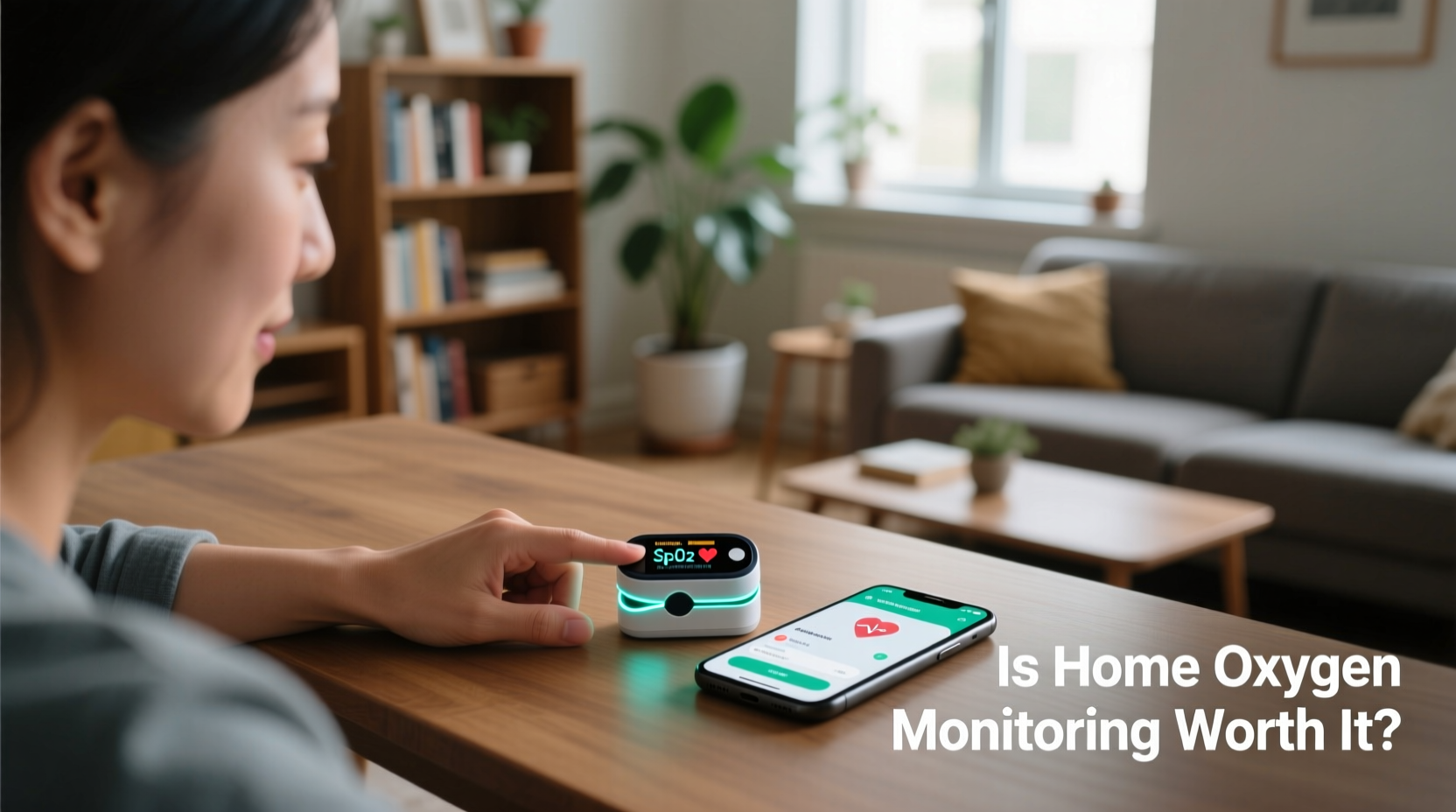
Pulse oximeters use two wavelengths of light—red and infrared—to detect how much oxygen hemoglobin in your red blood cells is carrying. Oxygen-rich blood absorbs more infrared light, while deoxygenated blood absorbs more red light. By analyzing the absorption ratio, the device estimates your peripheral capillary oxygen saturation, known as SpO2.
A normal SpO2 reading for a healthy person at sea level typically ranges between 95% and 100%. Readings below 92% may indicate hypoxemia—low oxygen levels in the blood—and warrant medical evaluation. The device also usually displays your heart rate, which can provide additional context during assessment.
It’s important to note that while convenient, home oximeters are not diagnostic tools. They offer screening-level accuracy and can be affected by factors such as poor circulation, nail polish, cold hands, motion, or improper placement. For individuals managing chronic conditions, however, regular monitoring can serve as an early warning system for deterioration.
Who Benefits Most From Home Monitoring?
Not every household needs a pulse oximeter. However, certain groups gain meaningful insights from regular use. These include individuals with chronic respiratory or cardiovascular conditions, those recovering from illness, and caregivers monitoring vulnerable family members.
- Chronic Obstructive Pulmonary Disease (COPD): Patients often experience fluctuating oxygen levels. Tracking SpO2 helps determine when supplemental oxygen is needed or if symptoms are worsening.
- Asthma: Severe asthma attacks can reduce oxygen saturation. Early detection allows for timely intervention with rescue inhalers or emergency care.
- Heart Failure: Fluid buildup in the lungs can impair oxygen exchange. A downward trend in SpO2 may signal fluid retention before other symptoms appear.
- Post-COVID Recovery: Some individuals experience \"silent hypoxia,\" where oxygen levels drop significantly without obvious shortness of breath. Monitoring can catch this dangerous condition early.
- High-Altitude Travelers: At elevations above 8,000 feet, oxygen levels naturally decrease. Athletes or hikers may use oximeters to assess acclimatization.
“Pulse oximetry at home can be a valuable extension of care for patients with advanced lung disease. When used correctly, it empowers them to act early and avoid hospitalizations.” — Dr. Lena Patel, Pulmonologist at Boston Respiratory Institute
When Home Monitoring May Not Be Worth It
For otherwise healthy individuals, routine oxygen checks often yield little actionable information. Normal variation in SpO2 throughout the day—such as slight dips during sleep or after exertion—is common and not concerning. Obsessively checking readings can lead to health anxiety, especially when minor fluctuations are misinterpreted as serious problems.
Additionally, inaccurate readings due to user error or low-quality devices can create false alarms. Many budget-friendly models lack clinical-grade calibration and may drift over time. Without medical guidance, users might overreact to numbers that fall just below 95%, even when no real issue exists.
There's also the risk of \"reassurance bias\"—trusting a normal reading despite clear symptoms like breathlessness or chest pain. Relying solely on a number can delay seeking help when it’s truly needed.
| Situation | Worth Monitoring? | Reason |
|---|---|---|
| Healthy adult, no symptoms | No | No clinical benefit; risk of unnecessary worry |
| COPD patient with frequent flare-ups | Yes | Early detection of desaturation can prevent hospitalization |
| Post-surgery recovery at home | Conditional | Only if advised by physician; useful for detecting complications |
| Mild seasonal allergies | No | Oxygen levels unaffected; monitoring adds no value |
| Long COVID with fatigue and breathlessness | Yes | Can identify patterns of desaturation during activity |
Best Practices for Accurate and Useful Monitoring
If you decide to use a pulse oximeter at home, doing so effectively requires consistency, technique, and context. Here’s how to get reliable results and meaningful insights:
- Choose a Reputable Device: Look for FDA-cleared models from established brands. Avoid ultra-cheap versions sold online without regulatory approval.
- Take Readings Under Consistent Conditions: Sit still for one minute before testing. Do not talk or move your hand during measurement.
- Use the Same Finger Each Time: This reduces variability caused by differences in blood flow between fingers.
- Record Trends, Not Single Numbers: One low reading isn’t alarming. Track changes over days or weeks, especially alongside symptoms.
- Correlate with Symptoms: Note whether you feel short of breath, dizzy, or fatigued when readings drop.
- Know Your Baseline: Healthy individuals may naturally run at 94–96%. Know what’s normal for you before interpreting deviations.
Mini Case Study: Detecting Silent Hypoxia After COVID-19
Mark, a 58-year-old teacher, tested positive for COVID-19 in early 2023. His symptoms were mild at first—fatigue, dry cough, and low-grade fever. He didn’t feel severely ill, but his daughter insisted he buy a pulse oximeter after hearing about silent hypoxia on the news.
On day six of his illness, Mark’s reading dropped to 89% while resting. He wasn’t gasping for air, but the number alarmed him. He called his doctor, who advised immediate evaluation. At the clinic, his arterial blood gas confirmed significant hypoxemia. He was started on supplemental oxygen and avoided progression to severe pneumonia.
Without monitoring, Mark might have waited until he felt worse—potentially too late. In this case, the oximeter served as an early warning system, enabling prompt treatment.
Checklist: Is a Home Pulse Oximeter Right for You?
Before purchasing or relying on a finger pulse oximeter, ask yourself the following questions:
- Do I have a diagnosed lung or heart condition (e.g., COPD, pulmonary fibrosis, heart failure)?
- Am I recovering from a respiratory infection like pneumonia or COVID-19?
- Has my doctor recommended monitoring my oxygen levels?
- Do I live at high altitude or plan to travel to one?
- Am I a caregiver for someone with breathing difficulties?
- Can I interpret the results responsibly without developing health anxiety?
- Am I prepared to seek medical help if readings fall below 92%?
If you answered “yes” to two or more of the first five questions, a pulse oximeter could be a worthwhile addition to your health toolkit. If your motivation stems from general fear or uncertainty, consider discussing your concerns with a healthcare provider instead.
Frequently Asked Questions
Can a pulse oximeter detect a heart attack or stroke?
No. While it measures oxygen saturation and heart rate, it cannot diagnose heart attacks or strokes. Chest pain, sudden weakness, slurred speech, or severe shortness of breath require immediate emergency care regardless of oximeter readings.
Why does my oxygen level drop when I sleep?
Minor drops during sleep are normal, especially in older adults. However, consistent readings below 90% may indicate sleep apnea or another underlying issue. If suspected, consult a sleep specialist for further evaluation.
Are smartphone apps that claim to measure oxygen levels accurate?
No. Most smartphone camera-based apps lack the hardware to perform true pulse oximetry and are not clinically validated. Only FDA-cleared devices with LED sensors should be trusted for accurate SpO2 measurements.
Conclusion: Use Smartly, Not Constantly
The finger pulse oximeter is not a magic wellness gadget—but for the right people, it can be a powerful ally in managing health at home. Its real value lies not in constant checking, but in strategic monitoring that informs decisions and supports communication with healthcare providers.
For individuals with chronic conditions or those navigating recovery from respiratory illness, owning a reliable oximeter can mean catching problems early, avoiding emergencies, and feeling more in control. For others, it may add little beyond stress and confusion.
The key is intentionality: know why you’re measuring, understand what the numbers mean, and act wisely when thresholds are crossed. Medicine is moving toward greater personal responsibility—and tools like the pulse oximeter can support that shift when used with knowledge and care.




 浙公网安备
33010002000092号
浙公网安备
33010002000092号 浙B2-20120091-4
Comments
No comments yet. Why don't you start the discussion?