
For decades, the standard bedding set has included a fitted sheet, a flat sheet, and a duvet or blanket. But in recent years, many people have started questioning whether the flat sheet is truly essential. With changing sleep habits, evolving bedding materials, and minimalist bedroom trends, the role of the flat sheet is being reevaluated. Is it time to retire the top layer, or does it still serve a meaningful purpose? This article explores the practical, hygienic, and aesthetic differences between fitted and flat sheets—and whether skipping the flat sheet is a smart move or a missed opportunity.
The Traditional Bedding Setup: What Each Sheet Does
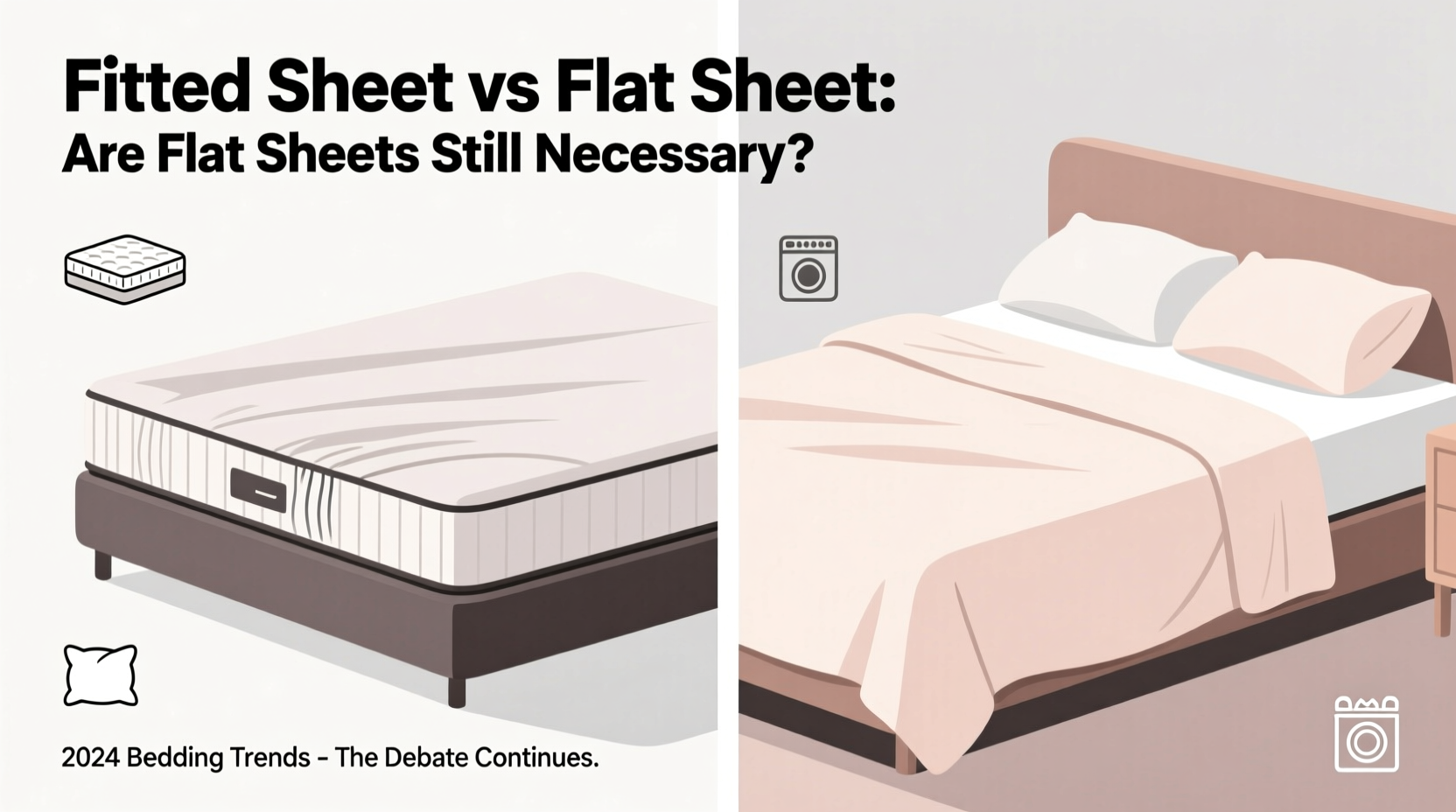
In conventional bedding, two types of sheets play distinct roles:
- Fitted sheets hug the mattress with elastic corners, providing a secure base layer that stays in place during sleep.
- Flat sheets, also known as top or bed sheets, lie loosely over the sleeper, acting as a protective middle layer between the body and blankets or duvets.
The flat sheet was historically considered essential—not just for comfort but for hygiene. It absorbed sweat, reduced direct contact with heavier bedding, and could be changed more frequently than bulky comforters. However, modern lifestyles and new fabric technologies are challenging this long-standing norm.
Why Flat Sheets Are Losing Popularity
A growing number of sleepers—especially younger generations—are opting to skip the flat sheet altogether. Several factors contribute to this shift:
- Simplicity: Fewer layers mean easier bed-making and less laundry.
- Comfort preferences: Many find duvets or weighted blankets soft enough to use directly against their skin.
- Changing climate: In warmer homes or regions, an extra layer may feel unnecessary or stifling.
- Minimalist aesthetics: The “hotel bed” look often features crisp fitted sheets and a folded duvet—no top sheet in sight.
A 2023 survey by the National Sleep Foundation found that only 38% of Americans under 35 regularly use a flat sheet, compared to 72% of those over 65. This generational divide reflects broader changes in how people view bedtime routines and household chores.
Benefits of Keeping the Flat Sheet
Despite declining use, flat sheets offer several advantages that shouldn’t be overlooked:
- Holds up hygiene standards: Acting as a barrier, flat sheets protect comforters from body oils, sweat, and dead skin cells. Most people wash their sheets weekly but clean duvets only every few months.
- Regulates temperature: A lightweight cotton or linen flat sheet can add a thin insulating layer in winter or prevent sticking to synthetic duvet covers in summer.
- Improves texture contrast: High-thread-count flat sheets provide a smooth, cool surface ideal for hot sleepers.
- Supports layered bedding: For those who enjoy the ritual of making a bed with hospital corners and precise folds, the flat sheet contributes to both function and visual appeal.
“Even in luxury hotels that promote the ‘top sheet optional’ trend, housekeeping still uses one beneath guest linens for sanitation. It’s out of sight, but never truly gone.” — Maria Thompson, Hospitality Linen Consultant
Fitted vs Flat Sheet: A Practical Comparison
| Feature | Fitted Sheet | Flat Sheet |
|---|---|---|
| Purpose | Secures to mattress; base layer | Lies over sleeper; protective mid-layer |
| Fit | Elastic edges for snug hold | Loose drape, tucked or left open |
| Wash Frequency | Weekly (due to direct mattress contact) | Weekly (if used as barrier) |
| Comfort Impact | Prevents slipping; maintains base feel | Adds softness, reduces friction |
| Common Materials | Cotton, microfiber, jersey, bamboo | Percale, sateen, linen, flannel |
| Trend Relevance | Essential (no replacement) | Declining, but still valued in luxury settings |
Real-Life Example: The Hotel Bedroom Dilemma
Consider a boutique hotel chain that recently redesigned its guest rooms to feature a minimalist Scandinavian aesthetic. The design team removed the flat sheet to create a cleaner, uncluttered look. Guests praised the modern appearance, but housekeeping reported a 40% increase in duvet cover stains within three months.
After investigating, management reintroduced flat sheets—but placed them *under* the duvet, folded neatly at the foot of the bed. This allowed guests to use them if desired while preserving the sleek presentation. The compromise maintained hygiene without sacrificing style, proving that functionality and aesthetics can coexist.
When You Might Want to Skip the Flat Sheet
There are legitimate scenarios where omitting the flat sheet makes sense:
- You live in a warm climate and prefer minimal bedding.
- Your duvet cover is made from soft, easy-to-wash fabric like brushed cotton or silk.
- You struggle with mobility and find tucking in sheets difficult.
- You follow a low-maintenance lifestyle and want to reduce laundry loads.
However, if you sweat heavily at night, share the bed with pets or children, or use a non-removable comforter, reintroducing a flat sheet—even occasionally—can extend the life of your primary bedding.
Step-by-Step: How to Decide What Works for You
- Assess your sleep environment: Is your bedroom warm or cool? Do you use air conditioning or heating year-round?
- Evaluate your bedding materials: Are your duvet covers machine-washable? Do they feel comfortable against bare skin?
- Monitor hygiene patterns: How often do you wash your comforter? Are there visible signs of soiling?
- Test both setups: Go one week with a flat sheet, one without. Note differences in comfort, temperature, and ease of bed-making.
- Make an informed choice: Decide based on personal experience, not trends.
Checklist: Should You Use a Flat Sheet?
- ☐ I sleep hot and need a breathable layer
- ☐ My duvet cover is hard to clean
- ☐ I want added protection for my comforter
- ☐ I enjoy the feel of crisp cotton against my skin
- ☐ I don’t mind the extra laundry and bed-making effort
If three or more apply, a flat sheet is likely worth keeping. If most are unchecked, simplifying your setup may be the better option.
Frequently Asked Questions
Do hotels still use flat sheets?
Many high-end hotels do, though some boutique properties have eliminated them for stylistic reasons. Behind the scenes, most still use flat sheets for hygiene, even if they’re not visibly present on the made bed.
Can I replace a flat sheet with a blanket?
Yes, especially in colder months. A lightweight wool or cotton throw can serve a similar protective function while adding warmth. Just ensure it’s washable and doesn’t trap excess heat.
Is it unhygienic to skip the flat sheet?
Not inherently, but it increases the rate at which your duvet or comforter accumulates oils and bacteria. Without a removable top layer, deep cleaning becomes more frequent and costly.
Conclusion: Function Over Fashion
The debate between fitted and flat sheets isn’t about which is superior—it’s about understanding your personal needs. Fitted sheets remain non-negotiable; they anchor your bed and maintain cleanliness at the mattress level. Flat sheets, however, are situational. They aren’t obsolete, but their necessity depends on climate, lifestyle, and hygiene priorities.
Rather than following trends blindly, assess what enhances your sleep experience. Whether you embrace the minimalist duvet-only look or cherish the tradition of a perfectly tucked flat sheet, the best choice is the one that supports restful, healthy sleep.




 浙公网安备
33010002000092号
浙公网安备
33010002000092号 浙B2-20120091-4
Comments
No comments yet. Why don't you start the discussion?