
Summer used to mean strappy sandals, sky-high stilettos, and the ritual of breaking in a new pair of heels before a rooftop party or beachside dinner. But as fashion evolves and lifestyles shift toward comfort and functionality, a growing number of people are questioning: Are heels still worth it in the summer? With blister-prone pavement, humid weather, and unpredictable outdoor terrain, the answer isn’t as straightforward as it once was.
The debate between flats and heels isn’t just about aesthetics—it’s about real-world usability, long-term comfort, and changing cultural expectations around femininity and professionalism. As more women and gender-nonconforming individuals prioritize mobility and wellness, flats are stepping into the spotlight. Yet, heels still hold symbolic power in certain settings. So where does that leave us?
The Practical Challenges of Heels in Summer
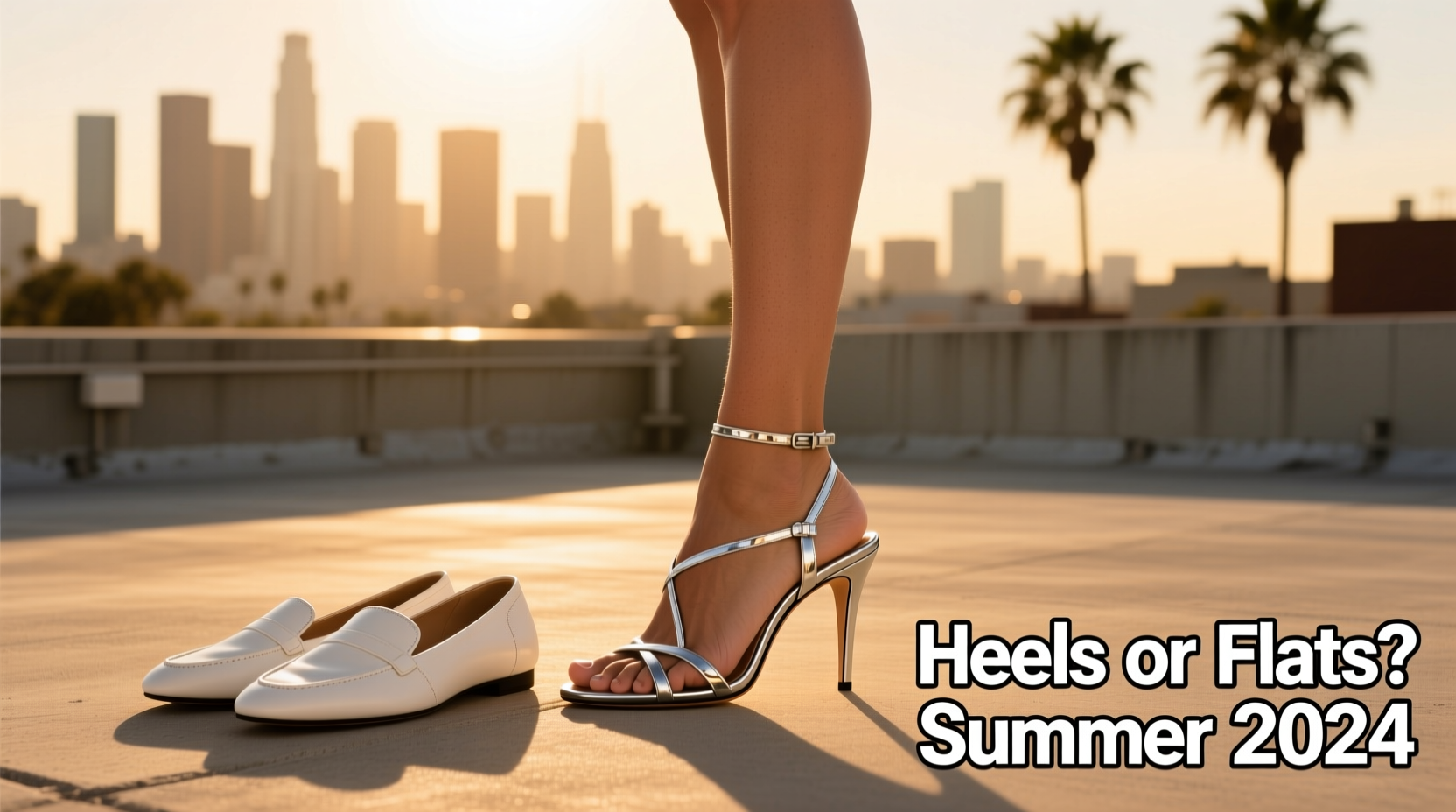
Summer brings heat, humidity, and extended time spent outdoors—conditions that are notoriously unfriendly to high heels. Sandals with thin straps dig into sun-kissed skin, leather uppers trap moisture, and narrow heel tips sink into grass, gravel, or sand with every step. Even the most stylish pair can become a liability at an outdoor wedding or a casual brunch on a cobblestone patio.
Podiatrists have long warned about the physical toll of wearing heels regularly. Dr. Lena Torres, a board-certified podiatrist based in Miami, explains:
“Wearing heels in hot weather exacerbates common foot issues like swelling, blisters, and plantar fasciitis. The combination of heat-induced foot expansion and restrictive footwear creates a perfect storm for discomfort and long-term damage.” — Dr. Lena Torres, DPM
In cities without reliable public transit or elevators, walking becomes unavoidable—and heels quickly lose their appeal when you’re navigating three blocks in 90-degree heat.
Why Flats Are Gaining Ground
Modern flats are no longer limited to ballet slippers or orthopedic-looking loafers. Today’s market offers sleek mules, structured square-toe sandals, cushioned espadrilles, and minimalist slides that blend comfort with undeniable style. Designers like Mansur Gavriel, By Far, and Rothy’s have redefined what flats can be—versatile enough for the office, weekend outings, or evening events.
Beyond design innovation, cultural shifts are driving the rise of flat footwear. The post-pandemic era has normalized comfort-first dressing, and many workplaces have relaxed dress codes. A 2023 survey by *Footwear News* found that 68% of professional women now opt for flats at least four days a week, citing reduced fatigue and improved productivity.
A Comparative Look: Flats vs. Heels in Key Scenarios
| Situation | Flats | Heels |
|---|---|---|
| Outdoor Wedding (Grass/Dirt) | ✅ Ideal—stable, comfortable, won’t sink | ❌ Risky—heels get stuck, uneven surfaces increase fall risk |
| Office Environment | ✅ Comfortable for long hours, easy to slip on/off | ⚠️ Acceptable if low block heel; high heels may cause strain |
| Evening Out (Paved Streets) | ✅ Stylish options available, walkable | ✅ Can work with sturdy block heels or wedges |
| Vacation/Travel | ✅ Packable, versatile, airport-friendly | ❌ Impractical—limited use, hard to carry backup shoes |
| Formal Event (Indoor Venue) | ⚠️ Possible with elevated designs (e.g., metallic loafers) | ✅ Traditional choice; adds height and elegance |
When Heels Still Make Sense
Despite their drawbacks, heels haven’t disappeared—and for good reason. In certain formal or performance-driven contexts, they remain a tool of expression, confidence, and authority. Research from the *Journal of Applied Psychology* suggests that moderate heels (around 2–3 inches) can enhance perceived competence and leadership presence in conservative corporate environments.
Moreover, personal style matters. Some people genuinely enjoy the way heels change their posture, gait, and silhouette. For them, wearing heels isn’t about conforming—it’s about feeling powerful and put-together.
The key is strategic use. Instead of defaulting to heels for every occasion, consider them a situational accessory. Reserve them for indoor events with smooth flooring, shorter durations, or moments when you want to make a deliberate style statement.
Real-Life Example: Maya’s Summer Wardrobe Shift
Maya, a 34-year-old marketing executive in Austin, used to wear heels daily—even during summer client meetings. Last June, after developing chronic Achilles tendonitis, her doctor advised her to switch to supportive flats. Skeptical at first, she invested in a few designer pairs with subtle lifts and modern silhouettes.
To her surprise, clients didn’t comment on her footwear—instead, they noted her increased energy and attentiveness during presentations. “I realized I was spending so much mental energy managing my shoes that I wasn’t fully present,” she said. “Now I save heels for galas or photo shoots. For everyday life, flats give me back my focus.”
How to Choose Smartly: A Step-by-Step Guide
- Assess your daily activities: How much walking, standing, or outdoor time do you realistically face?
- Evaluate your event calendar: Identify which occasions truly require heels versus those where flats would suffice.
- Invest in transitional pieces: Consider block-heel sandals (2–3 inches) or platform flats that offer height without instability.
- Prioritize materials: Opt for breathable fabrics like woven raffia, perforated leather, or mesh-lined uppers.
- Test before committing: Wear new shoes around the house for at least 30 minutes to check for pressure points.
- Have a backup plan: Keep foldable flats in your bag for unexpected walking or last-minute surface changes.
Frequently Asked Questions
Can flats look professional in a business setting?
Absolutely. Structured loafers, pointed-toe flats, and neutral-toned mules project polish and sophistication. Pair them with tailored trousers or midi skirts for a refined look.
Are there summer heels that are actually comfortable?
Yes—look for chunky block heels, wedges, or platforms with wide bases and cushioned footbeds. Brands like Naturalizer, Sam Edelman, and Castañer specialize in wearable summer heels.
Is it okay to wear flats to a wedding?
Yes, especially if the ceremony is outdoors or involves significant walking. Many modern brides now choose flats or low sandals for their own comfort. Just ensure your outfit remains cohesive and respectful of the event’s tone.
Final Thoughts: Redefining Summer Style on Your Terms
The question isn’t whether flats or heels are objectively better—it’s about aligning your choices with your lifestyle, values, and well-being. Summer should be a season of ease, not endurance. If you love heels, wear them intentionally and joyfully—but don’t feel obligated to suffer for style.
Fashion is evolving to embrace individual needs over rigid norms. Whether you choose a sleek flat or a bold heel, what matters most is how you feel in your shoes—literally and figuratively. Comfort doesn’t diminish elegance; it enhances authenticity.




 浙公网安备
33010002000092号
浙公网安备
33010002000092号 浙B2-20120091-4
Comments
No comments yet. Why don't you start the discussion?