
Condoms have long been a cornerstone of safe sex, protecting against both unintended pregnancies and sexually transmitted infections (STIs). While traditional condoms remain widely used, innovations in sexual wellness products have introduced new options—like flavored condoms. Designed primarily for oral sex, these condoms combine functionality with sensory appeal. But why choose them? How do you use them safely? And what should you know before adding them to your intimate routine? This guide provides clear, practical insights to help you make informed decisions about flavored condoms.
Why Choose Flavored Condoms?
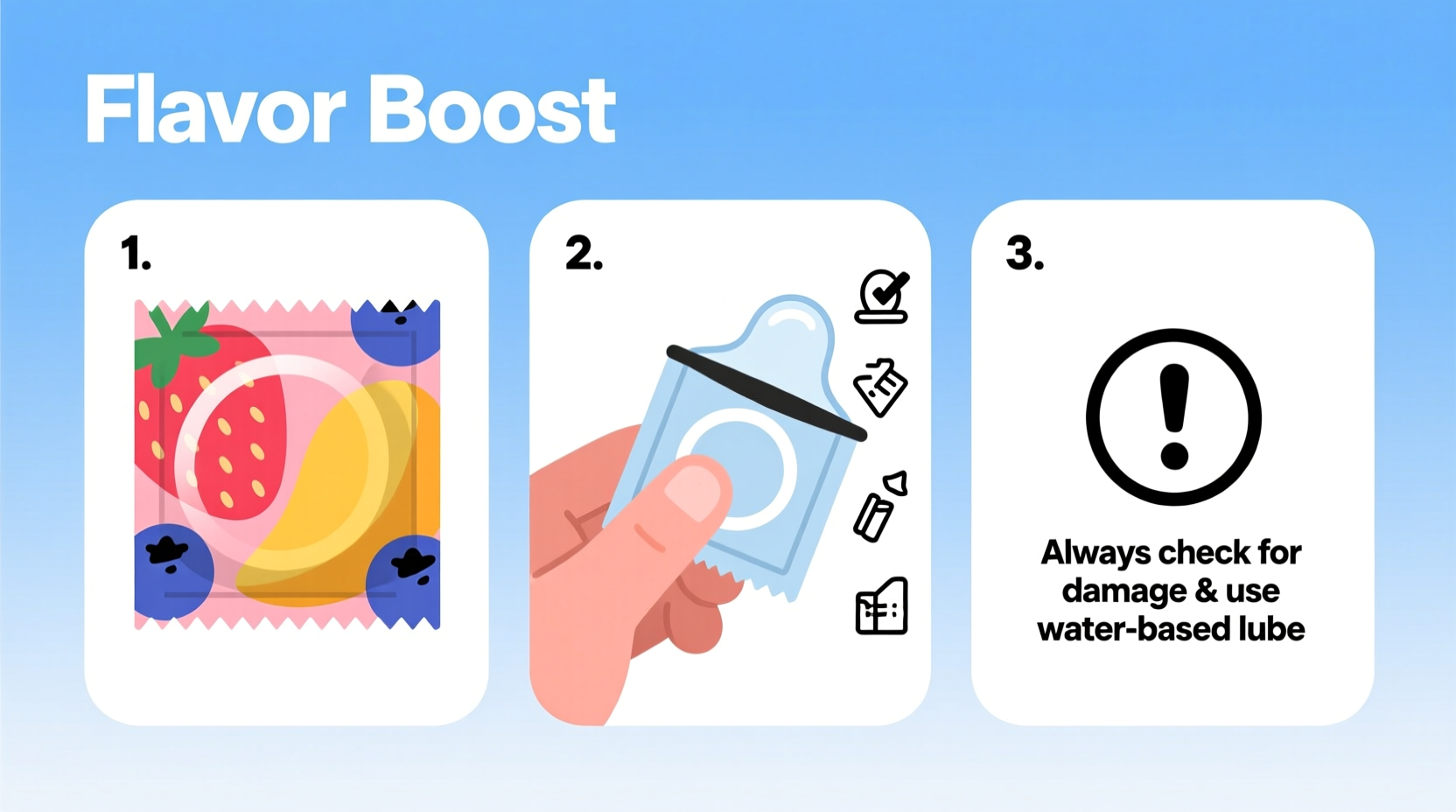
Flavored condoms were developed to improve the experience of oral sex by reducing the unpleasant taste or smell of latex. Many people find that standard condoms can make oral sex less enjoyable due to their chemical or rubbery flavor. Flavored varieties address this issue by incorporating food-grade flavorings such as strawberry, banana, chocolate, mint, or even bubblegum.
The primary purpose of flavored condoms is to enhance pleasure during fellatio (oral-penis contact) or cunnilingus (when used with dental dams or female condoms), making protection feel less like a barrier and more like part of foreplay. They encourage safer practices by increasing comfort and willingness to use protection during oral activities—a crucial consideration given that STIs like herpes, gonorrhea, syphilis, and HPV can be transmitted through oral sex.
“Oral sex is often perceived as lower risk, but it’s still a vector for STI transmission. Flavored condoms offer a palatable way to maintain safety without sacrificing enjoyment.” — Dr. Lena Patel, Sexual Health Educator
How Flavored Condoms Work: Safety and Design
Like regular condoms, flavored condoms are typically made from latex, polyurethane, or polyisoprene and are designed to prevent fluid exchange. The key difference lies in the added flavoring agents, which are applied to the outside of the condom to improve taste during oral contact. These flavorings are FDA-approved for incidental ingestion, meaning they’re safe if consumed in small amounts.
However, it's important to note that most flavored condoms contain sugar or sweeteners to enhance taste. This can pose a problem when used vaginally, as sugar may disrupt the natural pH balance and increase the risk of yeast infections. For this reason, flavored condoms should only be used for oral sex and never for vaginal or anal intercourse unless explicitly labeled as safe for all types of sex.
Step-by-Step Guide to Using Flavored Condoms Safely
To get the most out of flavored condoms while minimizing health risks, follow this step-by-step process:
- Choose the Right Product: Select a reputable brand that clearly states its intended use. Look for labels indicating \"safe for oral and vaginal use\" if dual-purpose protection is desired.
- Check Expiration Date and Packaging: Never use expired condoms or those stored in hot, damp environments. Inspect the wrapper for tears or brittleness.
- Open Carefully: Tear the package gently at the notch; avoid using teeth or scissors, which can damage the condom.
- Apply Correctly: Pinch the tip to remove air, then roll the condom down the erect penis. Ensure it’s unrolled completely to prevent slippage.
- Use Only for Intended Purpose: If using for oral sex, discard after use. Do not switch from oral to vaginal/anal sex with the same condom.
- Dispose Properly: Wrap used condoms in tissue and throw them in the trash. Do not flush.
Using a new condom for each type of sexual activity prevents cross-contamination and maintains hygiene. Switching from oral to vaginal sex with the same condom can transfer bacteria and increase infection risk.
Do’s and Don’ts of Flavored Condom Use
| Do’s | Don’ts |
|---|---|
| ✔ Use for oral sex to reduce STI transmission | ✘ Use sugar-laden flavored condoms for vaginal intercourse |
| ✔ Choose non-spermicidal versions if sensitivity is a concern | ✘ Reuse a condom for multiple acts (e.g., oral then vaginal) |
| ✔ Store in a cool, dry place away from sunlight | ✘ Use oil-based lubricants with latex condoms (causes breakage) |
| ✔ Check for allergies to latex or flavoring ingredients | ✘ Ignore expiration dates or damaged packaging |
| ✔ Opt for sugar-free options if using near mucous membranes | ✘ Assume all flavored condoms are safe for every type of sex |
Real Example: A Safer Approach to Oral Sex
Jamal and his partner, Tanya, had been together for six months and wanted to explore oral sex but were concerned about STI risks. Neither had recent testing, and while they trusted each other, they valued protection. After researching, Jamal purchased a box of sugar-free, mint-flavored latex condoms approved for both oral and vaginal use. During intimacy, he used one condom specifically for oral stimulation. When transitioning to intercourse, he discarded it and used a new, unlubricated condom. This simple switch allowed them to enjoy closeness while maintaining safety. Their experience highlights how flavored condoms can bridge the gap between pleasure and responsibility.
Choosing the Best Flavored Condom: What to Look For
Not all flavored condoms are created equal. Consider these factors when selecting a product:
- Sugar Content: Opt for sugar-free versions to minimize infection risk, especially if there's any chance of contact with vaginal tissues.
- Material: Latex is common, but those with allergies should choose polyurethane or polyisoprene alternatives.
- Lubricant Type: Water-based or silicone-based lubes are safe. Avoid oil-based products with latex.
- Flavor Longevity: Some flavors fade quickly. Reviews can help identify longer-lasting options.
- Brand Reputation: Trusted brands like Durex, Trojan, and Kimono produce high-quality flavored condoms with consistent safety standards.
Frequently Asked Questions
Can flavored condoms prevent pregnancy?
Yes—if used correctly during vaginal intercourse. However, most flavored condoms are designed for oral sex and may contain sugars or non-ideal lubricants for vaginal use. For reliable pregnancy prevention, use condoms specifically designed and labeled for vaginal sex.
Are flavored condoms safe to swallow?
No condom is meant to be swallowed. While the flavorings are safe for incidental ingestion, the latex or synthetic material is not digestible and could cause choking or intestinal blockage. Always dispose of condoms properly after use.
Can I use flavored condoms with lube?
Yes, but choose your lubricant carefully. Use water-based or silicone-based lube with latex condoms. Oil-based lubes (like petroleum jelly or coconut oil) weaken latex and increase the risk of breakage.
Final Thoughts: Pleasure Meets Protection
Flavored condoms represent a thoughtful evolution in sexual wellness—one that acknowledges both the importance of safety and the value of sensory pleasure. When chosen wisely and used appropriately, they can make oral sex more enjoyable while significantly reducing the risk of STI transmission. The key is understanding their limitations: they are best suited for oral use, especially when sugar-free, and should never be reused across different sexual activities.
By integrating flavored condoms into your intimate life with awareness and care, you empower yourself and your partner to engage in healthier, more satisfying experiences. Knowledge, communication, and preparation are the foundation of responsible intimacy.




 浙公网安备
33010002000092号
浙公网安备
33010002000092号 浙B2-20120091-4
Comments
No comments yet. Why don't you start the discussion?