
The pillowcase you rest your head on each night may seem like a minor detail in the grand scheme of sleep hygiene and interior design. Yet, its color, texture, and pattern—be it delicate florals or minimalist solids—can subtly influence both how well you sleep and how cohesive your bedroom feels. While fabric type and thread count are often emphasized, the visual aspect of pillowcases is frequently overlooked. But does the pattern truly matter? The answer lies at the intersection of psychology, sensory comfort, and aesthetic harmony.
The Psychology of Pattern: How Design Affects Mood and Sleep
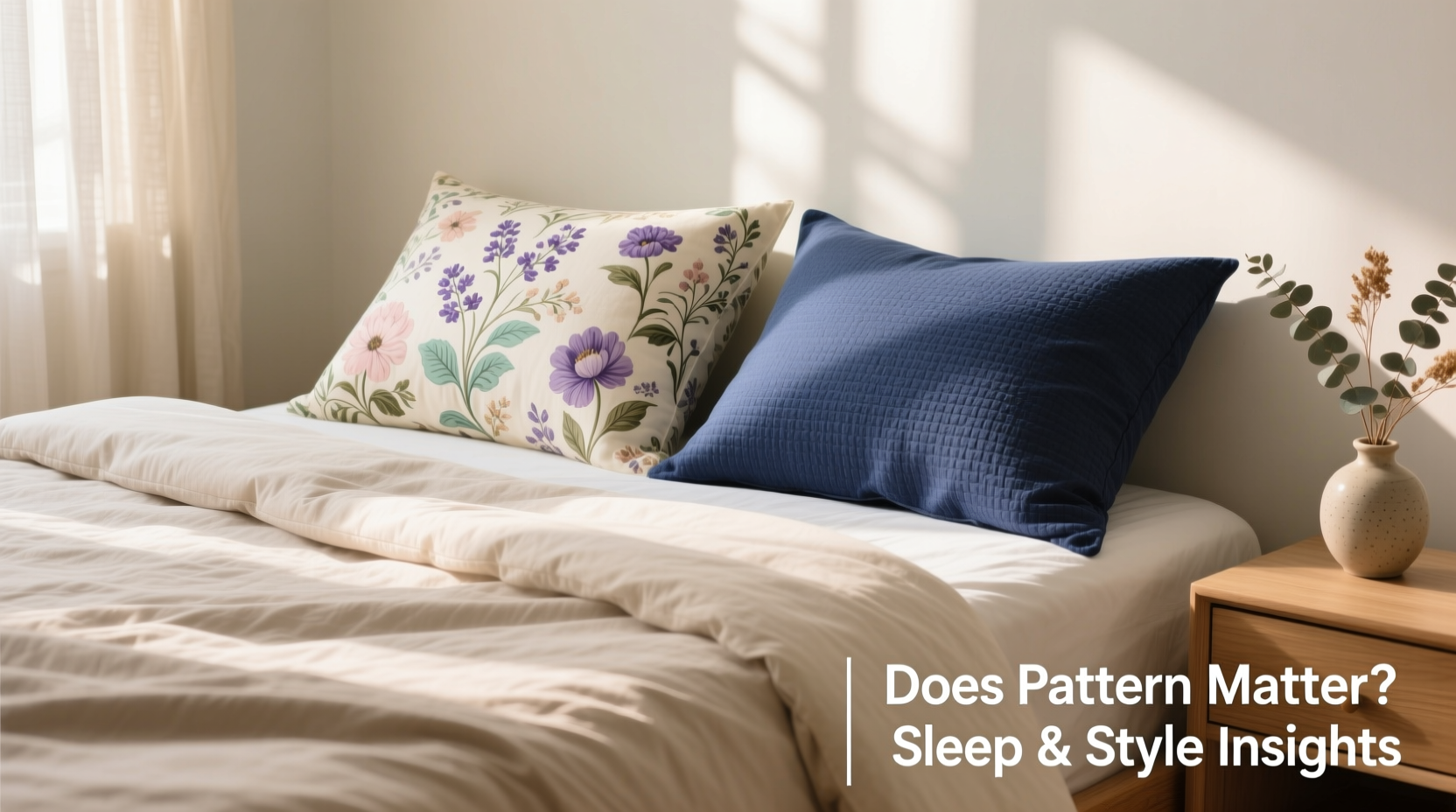
Visual stimuli play a critical role in regulating our nervous system. The brain processes patterns and colors even during the transition into sleep, which means what you see before closing your eyes can either calm or agitate your mind. Busy floral prints, especially those with high contrast or vivid hues, may stimulate the visual cortex, making it harder to wind down. In contrast, solid-colored pillowcases in muted tones—like soft gray, warm beige, or pale blue—are often associated with tranquility and order.
A 2020 study published in *Sleep Health* found that participants exposed to cluttered or visually complex bedroom environments reported more difficulty falling asleep and lower sleep satisfaction. While the study didn’t isolate pillowcases specifically, it underscores the broader principle: simplicity supports better rest.
“Your bedtime environment should signal safety and stillness. Overly decorative or chaotic patterns can subconsciously create visual noise, making relaxation more difficult.” — Dr. Lena Patel, Sleep Psychologist and Environmental Design Researcher
Fabric First: Why Material Matters More Than Pattern
Before evaluating aesthetics, prioritize material. No amount of beautiful design compensates for scratchy, non-breathable fabric. Common pillowcase materials include cotton (especially percale and sateen), linen, silk, and bamboo blends. Each has distinct benefits:
- Cotton percale: Crisp, cool, and breathable—ideal for hot sleepers.
- Silk: Smooth, hypoallergenic, and gentle on skin and hair—excellent for sensitive skin or reducing friction.
- Linen: Highly durable and moisture-wicking, though initially stiff, it softens over time.
- Bamboo: Eco-friendly, naturally antimicrobial, and silky—great for allergy sufferers.
Pattern printing methods also affect texture. Screen-printed florals may add slight stiffness or unevenness, while dyed solids typically offer a uniform feel. If tactile comfort is a priority, solid pillowcases often provide a more consistent surface against the skin.
Decor Harmony: Matching Pillowcases to Your Bedroom Style
From a design perspective, pillowcases are part of your bedding’s visual language. They contribute to layering, texture, and focal points. Florals introduce personality and warmth, often evoking vintage charm, cottagecore aesthetics, or romantic elegance. Solids, on the other hand, serve as a neutral foundation, allowing other elements—like textured throws or bold wall art—to take center stage.
Consider these scenarios when choosing:
- Minimalist bedrooms: Solid pillowcases reinforce clean lines and uncluttered spaces.
- Rustic or bohemian themes: Florals complement natural materials and eclectic accents.
- Modern luxury: Monochromatic solids in premium fabrics like sateen or silk enhance sophistication.
The key is balance. Even in a floral-heavy scheme, pairing patterned shams with solid pillowcases can prevent visual overload. Conversely, adding one floral accent pillow to an otherwise solid set introduces interest without chaos.
Comparative Overview: Floral vs Solid Pillowcases
| Feature | Floral Pillowcases | Solid Pillowcases |
|---|---|---|
| Sleep Environment Impact | Potentially stimulating; depends on print complexity and color | Generally calming; promotes visual simplicity |
| Style Flexibility | Best for themed or expressive decor | Highly versatile; works with any style |
| Maintenance | May show wear or fading in printed areas | Even wear; easier to match replacements |
| Tactile Consistency | Can vary due to ink layers | Uniform texture across surface |
| Longevity Perception | May feel dated as trends shift | Timeless; less subject to style obsolescence |
Real-Life Example: A Bedroom Transformation
Sarah, a graphic designer from Portland, struggled with restless nights despite investing in a high-end mattress and blackout curtains. Her bedroom featured vibrant floral duvet covers and matching pillowcases—her favorite purchase from a European trip. However, she noticed her mind remained active upon lying down. After consulting an interior therapist, she swapped her busy floral pillowcases for solid sage-green ones in organic cotton sateen. Within a week, she reported falling asleep faster and waking less during the night. “I didn’t realize how much my eyes were ‘working’ at bedtime,” she said. “The simpler look feels like a mental reset.”
This case illustrates how subtle changes in pattern and color can have outsized effects on sleep readiness—even when other factors remain constant.
Actionable Checklist: Choosing the Right Pillowcase for You
- ✅ Assess your sleep environment: Is it cluttered or visually busy?
- ✅ Prioritize fabric: Choose breathable, skin-friendly materials first.
- ✅ Consider your decor theme: Do florals enhance or clash with your current palette?
- ✅ Test one change at a time: Replace only pillowcases before overhauling the entire bedding.
- ✅ Rotate seasonally: Use florals in spring/summer, solids in fall/winter for freshness.
Frequently Asked Questions
Do floral pillowcases disrupt sleep more than solids?
Not inherently—but complex, high-contrast patterns can increase visual stimulation, making it harder to relax. Simple, softly colored florals may not interfere, especially if they align with your personal sense of calm.
Can I mix floral and solid pillowcases?
Yes, and it’s often recommended. Pair a solid pillowcase (for skin contact and simplicity) with a floral sham (for decoration). This balances function and style effectively.
Are solid pillowcases boring?
Not at all. Texture and fabric choice bring depth—matte linen, glossy silk, or ribbed cotton can make a solid case feel luxurious and intentional. Color psychology also plays a role; deep navy or terracotta can be rich and inviting without needing a pattern.
Final Recommendations: Balancing Function and Aesthetics
The choice between floral and solid pillowcases isn’t about right or wrong—it’s about alignment with your needs. If your primary goal is uninterrupted, restful sleep, lean toward solid options in soothing colors and premium fabrics. If self-expression and seasonal decor matter more, incorporate florals thoughtfully, perhaps limiting them to decorative shams rather than the case directly touching your face.
Remember: the best pillowcase supports both your body and your environment. It should feel smooth against your skin, wash well over time, and contribute to a bedroom that feels like a retreat—not a stimulus zone.
Take Action Tonight
Start small. Swap out one floral pillowcase for a solid one in a calming hue. Observe how your bedtime routine feels over the next few nights. Pay attention to your mental state as you lie down. You might be surprised by how such a subtle change can shift your experience of rest.




 浙公网安备
33010002000092号
浙公网安备
33010002000092号 浙B2-20120091-4
Comments
No comments yet. Why don't you start the discussion?