
For decades, fluoride has been a cornerstone of dental health recommendations, celebrated for its ability to strengthen enamel and prevent cavities. Yet, a growing number of consumers are turning to fluoride-free toothpaste for personal, medical, or philosophical reasons. While this shift raises questions about oral health trade-offs, it also opens up conversations about individualized care. Understanding the real benefits, limitations, and appropriate use cases for fluoride-free toothpaste is essential for making informed decisions.
Why People Choose Fluoride-Free Toothpaste
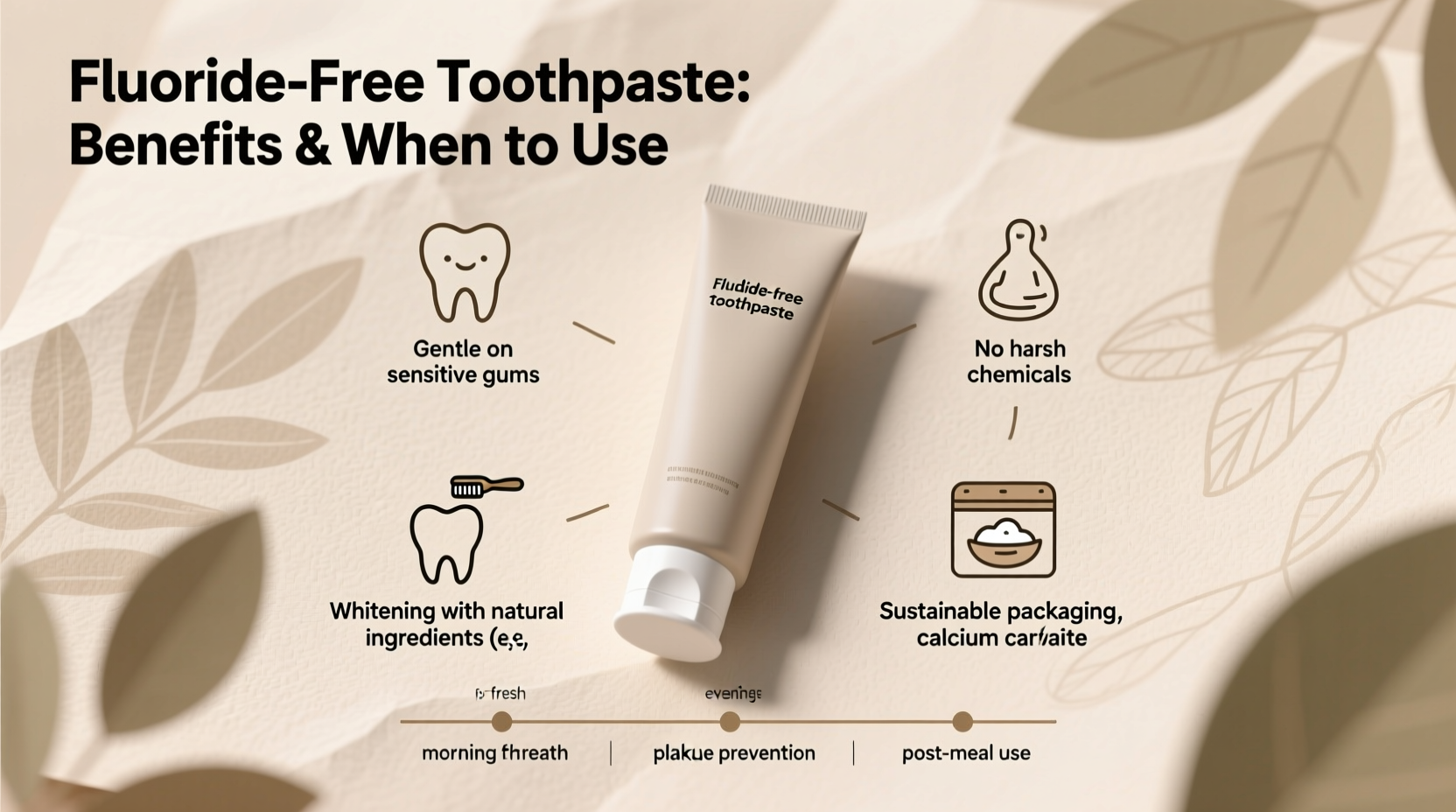
The decision to avoid fluoride often stems from concerns about overexposure, sensitivity, or preference for natural ingredients. Some individuals report discomfort or irritation from fluoride-containing products, while others seek minimalist formulations without synthetic additives. Parents of young children may opt for fluoride-free versions to reduce the risk of fluorosis—a cosmetic condition caused by excessive fluoride intake during tooth development.
In addition, the natural and organic product movement has fueled demand for transparent ingredient lists. Many fluoride-free toothpastes replace fluoride with alternative remineralizing agents like hydroxyapatite, xylitol, or calcium phosphate, appealing to those who prioritize clean-label products.
Benefits of Fluoride-Free Toothpaste
- Reduced risk of fluorosis in children: For kids under 6 who may swallow toothpaste, fluoride-free options eliminate the risk of developing white spots on developing teeth.
- Gentler on sensitive systems: Individuals with chemical sensitivities or autoimmune conditions sometimes report better tolerance with non-fluoridated formulas.
- Natural ingredient profiles: Many fluoride-free brands emphasize plant-based components, essential oils, and absence of artificial preservatives or dyes.
- Safer for accidental ingestion: Ideal for toddlers learning to brush or people with swallowing difficulties.
- Environmental considerations: Some users prefer to minimize systemic exposure to fluoride, citing ecological concerns about water runoff and bioaccumulation.
“While fluoride remains the gold standard for cavity prevention, there are valid scenarios where non-fluoride alternatives serve patients well—particularly in low-caries-risk individuals.” — Dr. Lena Torres, Pediatric Dentist and Oral Health Researcher
Effectiveness Compared to Fluoride Toothpaste
Fluoride’s role in preventing tooth decay is extensively supported by clinical research. It works by remineralizing weakened enamel and inhibiting demineralization caused by acid-producing bacteria. According to the CDC, community water fluoridation alone reduces tooth decay by 25% in both children and adults.
Fluoride-free toothpastes, however, vary widely in their efficacy. Some contain bioavailable calcium and phosphate compounds that mimic natural remineralization. Nano-hydroxyapatite (n-HA), for example, has shown promising results in studies as a biomimetic alternative capable of integrating into enamel structure.
Yet, most dental associations—including the American Dental Association (ADA)—still regard fluoride as the most effective agent for long-term cavity prevention. A 2022 review published in the Journal of Clinical Dentistry found that fluoride toothpastes reduced caries incidence by 24–30%, whereas non-fluoride counterparts demonstrated inconsistent results unless combined with other preventive strategies.
| Feature | Fluoride Toothpaste | Fluoride-Free Toothpaste |
|---|---|---|
| Cavity Prevention | Highly effective, clinically proven | Variable; depends on active ingredients |
| Enamel Strengthening | Strong remineralization effect | Moderate (with n-HA or CPP-ACP) |
| Safety for Children (under 3) | Risk of fluorosis if swallowed | Lower risk, safer if ingested |
| Natural Formulations | Limited options | Widely available |
| ADA Acceptance | Most are ADA-approved | Few receive official endorsement |
When to Use Fluoride-Free Toothpaste: Practical Guidelines
Choosing fluoride-free toothpaste isn’t inherently good or bad—it depends on context. Here are key situations where such a switch may be appropriate:
- Children under age 3: Until they learn not to swallow toothpaste, using a fluoride-free version reduces the chance of fluorosis.
- Low cavity risk individuals: Adults with excellent oral hygiene, minimal sugar intake, and no history of decay may maintain dental health without fluoride, especially with dietary and behavioral support.
- Allergies or sensitivities: Rare but documented reactions to sodium fluoride make alternatives necessary for some.
- Preference for holistic dentistry: Those following biocompatible or integrative dental philosophies may align better with fluoride-free regimens.
- Short-term transitional use: During detox phases, travel, or while trialing new oral care routines.
Mini Case Study: A Family’s Switch to Fluoride-Free
The Patel family switched to fluoride-free toothpaste after their 4-year-old developed mild fluorosis. Their dentist recommended pausing fluoride toothpaste until proper spitting technique was mastered. They adopted a nano-hydroxyapatite formula for the child and used it temporarily themselves. After six months, with no new cavities and improved brushing habits, they continued the child’s use of fluoride-free paste while reintroducing fluoride for adult family members. This tailored approach balanced safety and effectiveness.
How to Maximize Effectiveness Without Fluoride
If you choose fluoride-free toothpaste, compensating with other preventive measures is crucial. Relying solely on brushing—even with advanced ingredients—is insufficient for robust protection.
Checklist: Supporting Your Fluoride-Free Routine
- Brush thoroughly twice daily with a soft-bristle brush
- Floss every night to remove interdental plaque
- Use an alcohol-free antimicrobial mouthwash
- Chew xylitol gum after meals to inhibit bacterial growth
- Eat a low-sugar, mineral-rich diet (leafy greens, dairy, nuts)
- Visit your dentist every 6 months for checkups and cleanings
- Consider supplemental calcium or vitamin D if deficient
Frequently Asked Questions
Is fluoride-free toothpaste safe for daily use?
Yes, fluoride-free toothpaste is safe for daily use, particularly for individuals at low risk of cavities. However, consistent oral hygiene and regular dental monitoring are essential to ensure ongoing protection.
Can fluoride-free toothpaste prevent cavities?
Some fluoride-free toothpastes can help prevent cavities, especially those containing nano-hydroxyapatite or casein phosphopeptide-amorphous calcium phosphate (CPP-ACP). However, their effectiveness is generally lower than fluoride-based pastes, particularly in high-risk individuals.
At what age can children start using fluoride toothpaste?
The ADA recommends using a smear of fluoride toothpaste (about the size of a grain of rice) for children aged 0–3 and a pea-sized amount for ages 3–6. Supervision is critical to minimize swallowing.
Conclusion: Making an Informed Choice
Fluoride-free toothpaste offers tangible benefits for specific populations, including young children, chemically sensitive individuals, and those pursuing natural wellness paths. Its effectiveness, however, hinges on the broader context of oral hygiene practices and personal risk factors. While it may not replace fluoride for everyone, it serves as a viable alternative when used thoughtfully and supported by complementary habits.
Dental health is not one-size-fits-all. The best choice depends on your lifestyle, medical history, and goals. Whether you use fluoride or not, the foundation of strong teeth remains consistent: mindful eating, thorough cleaning, and proactive dental care.




 浙公网安备
33010002000092号
浙公网安备
33010002000092号 浙B2-20120091-4
Comments
No comments yet. Why don't you start the discussion?