
In homes across the country, a quiet but significant shift is underway. The classic wicker hamper—long celebrated for its rustic charm and natural appeal—is being replaced by something far more practical: the foldable laundry bag. While wicker once symbolized timeless home organization, modern consumers are increasingly opting for lightweight, portable, and low-maintenance alternatives. But what’s driving this change? Is it just about convenience, or are there deeper functional and lifestyle reasons behind the move away from traditional materials?
This article explores the evolving preferences in laundry storage, comparing foldable laundry bags and wicker hampers across key factors like durability, hygiene, portability, and space efficiency. We’ll also look at real-world usage patterns and hear from interior organizers and cleaning experts on why this trend is accelerating.
The Rise of the Foldable Laundry Bag
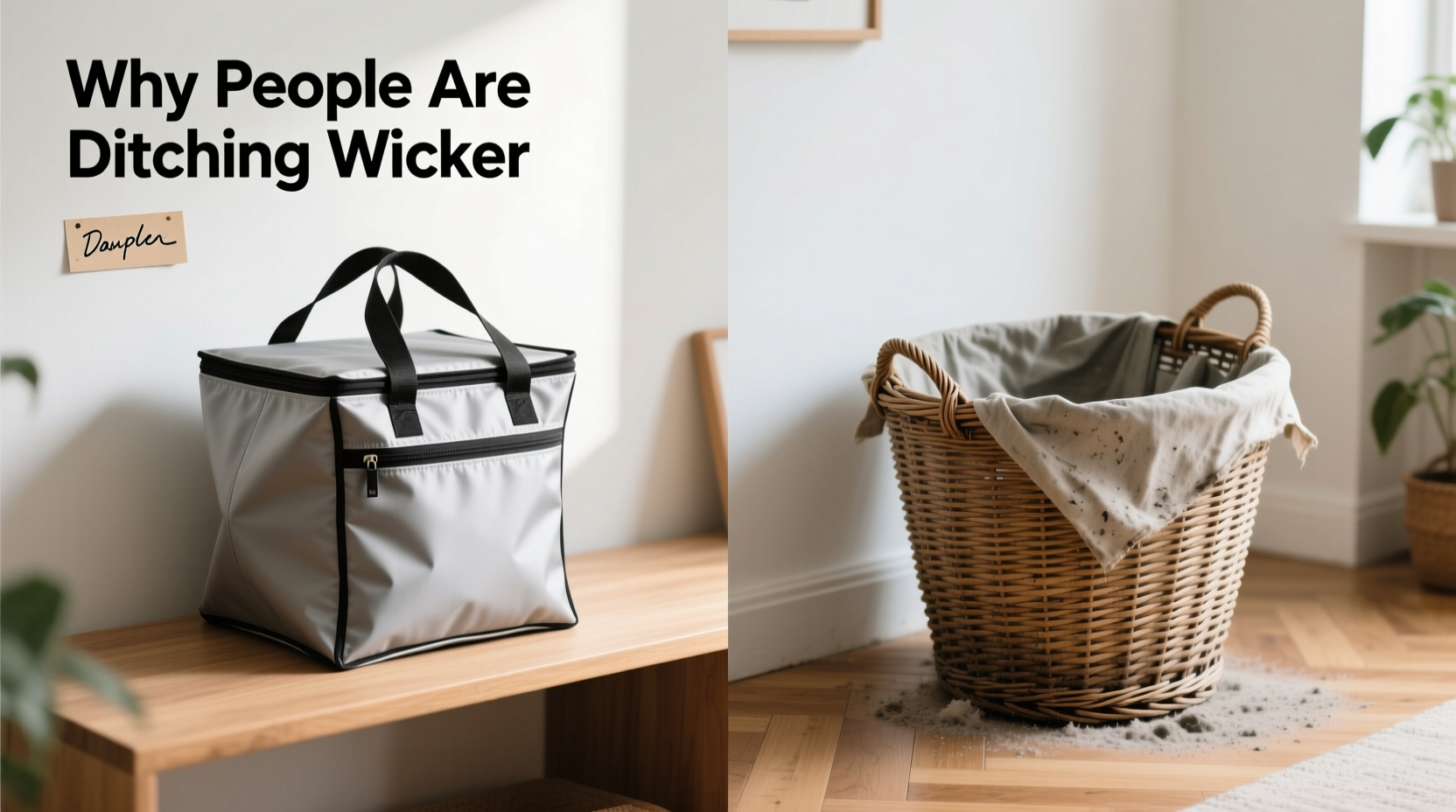
Foldable laundry bags, typically made from polyester, nylon, or mesh fabrics, have gained popularity due to their adaptability. Unlike rigid containers, these soft-sided carriers can be compressed when not in use, tossed in a suitcase during travel, or easily carried to laundromats and shared laundry rooms. Their rise parallels broader shifts toward minimalism, multifunctional furniture, and urban living where space is limited.
Manufacturers now offer foldable bags with reinforced stitching, odor-resistant linings, and even waterproof coatings. Some models feature ventilation panels to reduce moisture buildup, addressing one of the oldest concerns about fabric-based storage—mildew and lingering smells.
Wicker Hampers: Tradition Meets Limitations
Wicker hampers have long been favored for their aesthetic appeal. Handwoven from rattan, bamboo, or seagrass, they bring warmth and texture to bathrooms and bedrooms. Many homeowners still appreciate their artisanal quality and eco-friendly materials. However, practical drawbacks are becoming harder to ignore.
Wicker is porous and prone to absorbing moisture, which can lead to mold and mildew if damp clothes sit too long. It’s also difficult to clean thoroughly—most manufacturers advise against using water or chemical cleaners, limiting maintenance options. Over time, exposure to humidity can cause warping, splintering, or fraying, especially in steamy environments like bathrooms.
“While wicker adds character, it’s not designed for high-moisture tasks. For laundry, functionality should outweigh aesthetics.” — Lisa Tran, Interior Organizer & Sustainable Living Consultant
Key Differences: A Comparative Analysis
To better understand the shift, here's a detailed comparison between foldable laundry bags and wicker hampers across critical performance categories:
| Feature | Foldable Laundry Bag | Wicker Hamper |
|---|---|---|
| Portability | High – Lightweight, collapsible, easy to carry | Low – Heavy, rigid, awkward to transport |
| Space Efficiency | Excellent – Can be folded flat when empty | Poor – Takes up permanent floor space |
| Durability | Good – Resists wear if made with quality fabric | Variable – Degrades with moisture and frequent use |
| Cleanability | High – Most are machine-washable or wipe-clean | Low – Spot cleaning only; water damages fibers |
| Hygiene | Superior – Antimicrobial linings available; dries quickly | Riskier – Traps moisture and odors in weave |
| Aesthetic Appeal | Moderate – Functional look; fewer design options | High – Natural, decorative, blends with farmhouse styles |
| Lifespan (with care) | 3–5 years | 2–4 years (shorter in humid climates) |
Real-Life Scenario: Urban Apartment Living
Consider Maria, a professional living in a 550-square-foot studio apartment in Seattle. She previously owned a medium-sized wicker hamper that occupied a corner near her bathroom door. Despite liking its look, she found it impractical: it collected lint and dust, couldn’t be moved easily when hosting guests, and began showing signs of mildew after six months due to the city’s damp climate.
After switching to a foldable laundry bag with a breathable mesh design, she noticed immediate improvements. She could stash it behind her sofa when not in use, carry it comfortably to the building’s basement laundry room, and toss it in the wash every few weeks. “It’s not as pretty,” she admits, “but I don’t miss tripping over it or worrying about mold.”
Maria’s experience reflects a growing sentiment among city dwellers and renters who prioritize flexibility and ease over static decor.
Why People Are Ditching Wicker: 5 Key Reasons
- Lack of moisture resistance: Wicker absorbs humidity, leading to musty smells and structural damage over time.
- Inflexible design: Cannot be stored flat or adapted to small spaces.
- Difficult maintenance: Requires dry dusting only—no deep cleaning possible.
- Poor portability: Heavy and bulky, making it unsuitable for trips to laundromats or shared facilities.
- Allergy concerns: Weave can trap dust, pet hair, and allergens, affecting indoor air quality.
Step-by-Step Guide: Transitioning from Wicker to Foldable
- Assess your laundry routine: Do you do laundry at home or off-site? If you carry clothes elsewhere, portability becomes essential.
- Measure your space: Identify where the hamper currently sits and how much clearance you have when not in use.
- Choose the right size: Opt for a 40–60 liter capacity bag for a single person; 70+ liters for families.
- Select features: Look for reinforced handles, odor control, ventilation, and machine-washable fabric.
- Retire your wicker hamper responsibly: Donate it, repurpose it for dry storage (e.g., blankets), or recycle if damaged.
- Integrate the new system: Place the foldable bag in use and test it over two laundry cycles to confirm comfort and fit.
Checklist: Choosing the Right Foldable Laundry Bag
- ✅ Made from durable, water-resistant fabric (e.g., 600D polyester)
- ✅ Includes a full zipper or secure drawstring closure
- ✅ Has padded or reinforced handles for comfortable carrying
- ✅ Features ventilation or antimicrobial treatment
- ✅ Can be machine washed or easily wiped down
- ✅ Folds completely flat when not in use
- ✅ Offers multiple color or pattern options to match your space
Frequently Asked Questions
Can I use a foldable laundry bag for wet swimsuits or towels?
Only if the bag is explicitly labeled as waterproof or has a sealed inner lining. Standard mesh or breathable bags may allow moisture to seep through and damage floors or furniture.
Are wicker hampers eco-friendly compared to synthetic bags?
While wicker is biodegradable and made from renewable plant materials, many foldable bags are crafted from recycled plastics (like RPET) and last longer with less environmental impact over time. The true sustainability depends on usage patterns and lifespan.
Do foldable laundry bags hold their shape when full?
Higher-end models include structured bases or rigid side panels to maintain form. Cheaper versions may sag under heavy loads, so check product reviews for feedback on stability.
Conclusion: Functionality Wins the Day
The decline of the wicker hamper isn’t just a passing fad—it’s a response to changing lifestyles, smarter design, and a greater emphasis on practicality. While wicker still holds a place in home decor, its role in daily utility is shrinking. Foldable laundry bags offer undeniable advantages in hygiene, mobility, and space-saving, making them the preferred choice for busy households, small-space dwellers, and anyone who values efficiency.
This shift reflects a broader trend: consumers are no longer willing to sacrifice function for form. As homes get smaller and routines become more dynamic, storage solutions must evolve. The foldable laundry bag isn’t just replacing the wicker hamper—it’s redefining what we expect from everyday household items.




 浙公网安备
33010002000092号
浙公网安备
33010002000092号 浙B2-20120091-4
Comments
No comments yet. Why don't you start the discussion?