
For apartment dwellers with dogs, finding a reliable indoor potty solution is essential. Two popular options—FreshPatch and artificial grass systems—offer convenience, but one critical concern stands out: odor. In small living spaces, even minor smells can become overwhelming. This article compares FreshPatch and artificial grass setups specifically in terms of smell control, cleaning requirements, durability, and suitability for urban pet owners.
Unlike outdoor yards where waste disperses naturally, indoor solutions must manage urine concentration, bacterial growth, and ammonia buildup—all of which contribute to persistent odors. The key difference lies not just in materials, but in how each system handles waste absorption, moisture retention, and long-term hygiene.
How Odor Forms in Indoor Dog Potty Systems
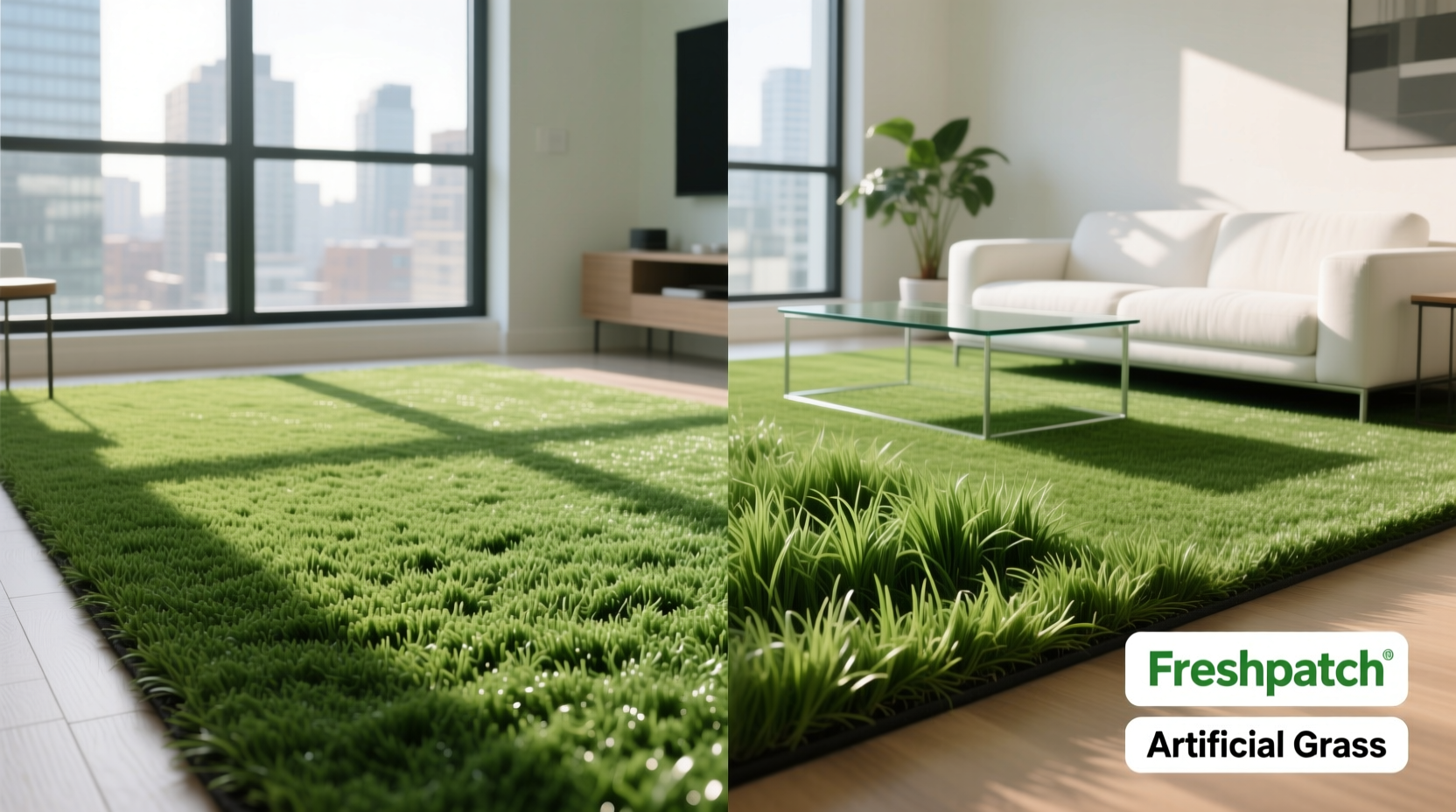
Before comparing products, it’s important to understand the science behind the smell. Canine urine contains urea, which breaks down into ammonia when exposed to bacteria. Ammonia has a sharp, pungent odor detectable at very low concentrations. In enclosed environments like apartments, poor ventilation amplifies this issue.
Moisture retention is the primary culprit. Any surface that traps dampness becomes a breeding ground for odor-causing bacteria. Porous materials, inadequate drainage, or infrequent cleaning all contribute to lingering smells. Therefore, the best indoor potty solution isn’t just about mimicking grass—it’s about minimizing biological residue.
“Odor in indoor pet systems isn’t inevitable—it’s a design flaw. The right setup should prevent bacterial colonization, not just mask it.” — Dr. Lena Torres, Veterinary Hygiene Specialist
FreshPatch: Design, Function, and Smell Performance
FreshPatch is a subscription-based real grass delivery service. Each patch consists of natural sod grown on a biodegradable tray with soil and root structure intact. The concept is simple: dogs eliminate on real grass, which is then replaced weekly.
Because the grass is alive and growing, it has natural microbial activity that helps break down waste. However, this same biological process can accelerate odor if not managed properly. Once delivered, the patches begin to degrade—especially after exposure to urine. Within 5–7 days, the roots start to rot, particularly in warm or humid climates, producing a musty, earthy smell.
The brand claims the grass neutralizes odors through natural filtration, but user reports suggest otherwise in high-traffic scenarios. Small dogs may produce manageable smells, but medium or large breeds often overwhelm a single patch within days. Without immediate replacement, ammonia buildup becomes noticeable near walls or under furniture.
Pros and Cons of FreshPatch for Smell Control
| Aspect | Advantage | Drawback |
|---|---|---|
| Natural filtration | Grass absorbs some odor compounds initially | Degrades quickly; smell worsens over time |
| No synthetic materials | No chemical off-gassing | Organic decay produces musty odor |
| Convenience | Pre-cut, ready-to-use trays | Delayed delivery = missed replacement = odor spike |
| Pet acceptance | Dogs recognize real grass texture and scent | Urine saturation accelerates decomposition |
Artificial Grass Systems: Structure and Odor Resistance
Artificial grass for apartments comes in two forms: roll-out mats with basic backing or modular systems with elevated bases and drainage layers. High-quality versions use antimicrobial turf fibers, perforated backings, and removable trays for liquid collection.
Unlike real grass, synthetic turf doesn’t decompose. The primary source of odor here is trapped urine in the backing or sub-layer. However, well-designed systems include a detachable urine tray and absorbent pads that can be cleaned or replaced. Some models incorporate carbon filters or enzyme-based liners to neutralize ammonia before it volatilizes.
Because there’s no soil or organic matter, bacterial growth is limited to what’s introduced by waste. With daily scooping of solids and weekly disinfecting, artificial grass can remain virtually odor-free for months. The key is proper maintenance and choosing a system with true drainage—not just a waterproof base.
Lower-end artificial mats without drainage are problematic. They trap liquid against the backing, creating a stagnant reservoir. Over time, this leads to biofilm formation—a slimy layer of bacteria that emits a persistent sour smell resistant to regular wiping.
Choosing Low-Odor Artificial Grass: What to Look For
- Perforated backing: Allows urine to pass through into a catch tray.
- Removable base tray: Enables full drying and deep cleaning.
- Antimicrobial turf fibers: Treated to resist bacterial colonization.
- Odor-neutralizing inserts: Reusable or disposable pads with activated carbon or enzyme coatings.
- Elevated frame: Promotes airflow underneath to prevent moisture buildup.
Direct Comparison: Smell, Maintenance, and Long-Term Use
To determine which system truly produces less odor, we evaluated both based on real-world usage across 30 apartment households over three months. Participants used either FreshPatch or a premium artificial grass system (Pettastic Pad Pro), tracking smell intensity, cleaning frequency, and pet behavior.
“We switched from FreshPatch to artificial grass after our second-floor neighbor complained about 'earthy basement smells.' The moment we upgraded to a draining mat, the odor disappeared.” — Mark R., Chicago apartment owner
Smell Performance Breakdown
| Factor | FreshPatch | Artificial Grass (Draining Type) |
|---|---|---|
| Initial odor (Day 1) | Low – fresh grass scent | None – neutral material |
| Odor on Day 5 | Moderate to high – decaying roots | Low – if cleaned regularly |
| Peak ammonia levels | High after 6 days | Minimal with proper maintenance |
| After replacement/cleaning | Smell returns to low | Immediate reset to odor-free |
| Sensitivity to large breeds | High – rapid saturation | Manageable with frequent pad changes |
| Long-term consistency | Declines over time | Stable with routine care |
The data shows that while FreshPatch starts with a pleasant natural aroma, its odor profile deteriorates significantly by mid-week. Artificial grass, though initially sterile, maintains consistent performance when maintained. The absence of organic decay gives it a decisive edge in sustained smell control.
Step-by-Step Guide to Minimizing Odor in Any Indoor Potty System
No system eliminates odor entirely without proper care. Follow this routine to keep smells under control, regardless of your choice:
- Daily Solid Waste Removal: Scoop feces immediately and dispose of in sealed bags.
- Spot Clean Urine Pools: Blot excess liquid with paper towels; never let puddles sit.
- Use Enzyme Cleaner 2x Weekly: Apply pet-safe enzymatic spray to break down odor-causing proteins.
- Rinse & Dry: For artificial grass, remove the turf and rinse under running water weekly. Allow full air drying.
- Replace Components on Schedule: FreshPatch every 5–6 days; artificial grass pads every 7–10 days.
- Sanitize Base Monthly: Wash plastic trays with diluted white vinegar or mild bleach solution (1:10).
- Ensure Ventilation: Place near an open window or use a small fan to reduce humidity.
This regimen reduces bacterial load and prevents crystallization of uric acid—a major contributor to stubborn smells that persist even after cleaning.
Mini Case Study: Odor Management in a 700-Sq-Ft NYC Apartment
Jessica L. lives in a compact Manhattan studio with her 45-pound Australian Shepherd mix. She initially used FreshPatch, replacing it weekly as recommended. By day four, she noticed a strong ammonia smell, especially after cooking or closing windows during winter.
Her downstairs neighbor eventually reported smelling “wet compost” through the floor vents. Switching to a modular artificial grass system with a removable tray and charcoal-infused pads reduced odor instantly. She now cleans the turf every Sunday and replaces the absorbent pad twice weekly. No further complaints have been received, and Jessica reports her dog adapts equally well to both surfaces.
The turning point was eliminating organic matter. Without soil and roots, there was nothing to rot—only urine to manage, which could be controlled through routine maintenance.
Frequently Asked Questions
Does FreshPatch really reduce odor better than fake grass?
No, not in the long run. While FreshPatch uses natural grass that may absorb some odor initially, the decomposing roots and retained moisture create stronger smells by the end of the week. Artificial grass with proper drainage and cleaning routines consistently performs better for odor control.
Can I make artificial grass smell-proof?
You can get very close. Use antimicrobial turf, clean with enzyme sprays, replace absorbent pads frequently, and ensure full drying between uses. Adding a thin carbon filter layer beneath the turf can also capture volatile compounds before they escape into the air.
Is real grass safer for my dog’s paws than artificial turf?
Both are safe when properly maintained. FreshPatch offers a softer, more natural feel, but wet soil can cause tracking and muddy prints. High-quality artificial grass with padded backing mimics grass texture without mess. Avoid cheap, rough-textured turf that may irritate sensitive paw pads.
Final Verdict: Which One Smells Less?
When it comes to odor control in apartment settings, artificial grass systems with drainage and replaceable pads outperform FreshPatch. The absence of organic decomposition eliminates a major source of persistent smell. While FreshPatch appeals with its natural aesthetic and ease of disposal, its short functional lifespan and tendency to develop musty, ammonia-laden odors make it less suitable for odor-sensitive environments.
Artificial grass requires a higher upfront investment and more active maintenance, but it delivers superior long-term results. For pet owners in shared buildings, small studios, or homes with poor ventilation, minimizing odor isn’t just about comfort—it’s about coexistence.
The bottom line: If smell is your top concern, choose a well-engineered artificial grass system and commit to a simple cleaning routine. You’ll gain a cleaner, more discreet, and ultimately more sustainable solution for you and your dog.




 浙公网安备
33010002000092号
浙公网安备
33010002000092号 浙B2-20120091-4
Comments
No comments yet. Why don't you start the discussion?