
The Fresno chili occupies a unique space in American kitchens—common enough to appear in grocery stores year-round, yet distinct enough to spark confusion among home cooks trying to understand its heat, flavor, and best uses. Often mistaken for a red jalapeño or misused as a substitute for hotter chilies, the Fresno offers a balanced blend of moderate heat, bright fruitiness, and vibrant color that makes it valuable in both raw and cooked applications. Understanding its precise Scoville rating, flavor evolution with ripeness, and how it behaves in sauces, salsas, and roasts is essential for anyone looking to use it effectively. This guide clarifies the Fresno chili’s heat level, distinguishes it from similar peppers, and provides practical guidance on when and how to use it in everyday cooking.
Definition & Overview
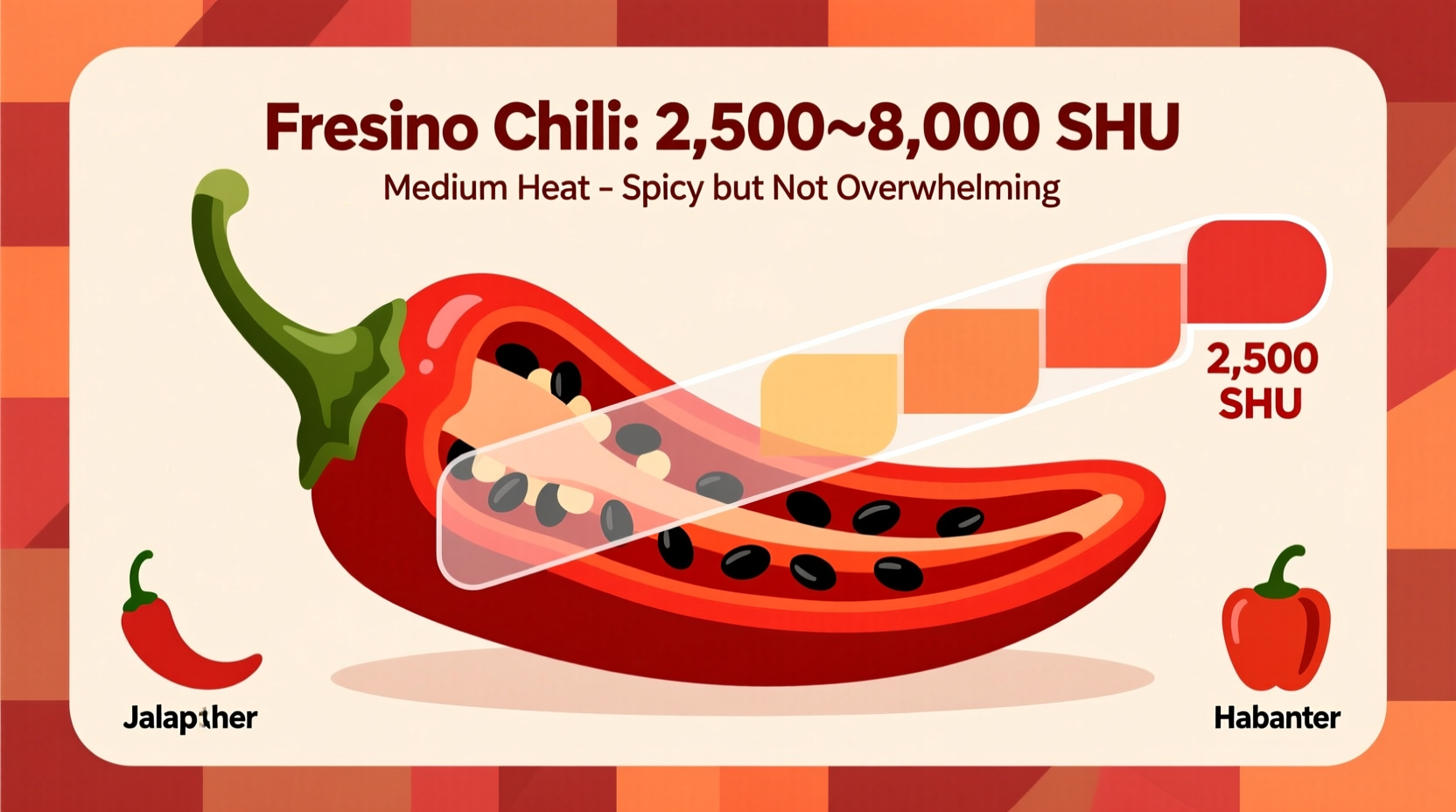
The Fresno chili (Capsicum annuum) is a medium-heat chili pepper developed in Fresno, California—hence its name—in the 1950s by horticulturist Clarence H. Dickerson. It belongs to the same species as bell peppers, jalapeños, and poblanos but stands out due to its tapered conical shape, glossy skin, and progression from green to deep red as it matures. Typically measuring 2 to 3 inches in length, the Fresno resembles a smaller, slightly more slender version of the jalapeño but with a sharper taper at the tip.
Grown commercially across the United States and widely available fresh in supermarkets, the Fresno chili serves both ornamental and culinary roles. Its bright red form adds visual appeal to dishes, while its nuanced heat and crisp texture make it ideal for fresh preparations such as pico de gallo, relishes, and garnishes. When roasted or incorporated into slow-cooked dishes, it contributes a mellowed warmth and subtle sweetness. Unlike some specialty chilies that require sourcing from farmers’ markets or ethnic grocers, the Fresno remains accessible and consistent, making it a reliable choice for weeknight meals and gourmet recipes alike.
Key Characteristics
The Fresno chili's value lies not just in its heat but in the full spectrum of sensory qualities it brings to food. Below is a breakdown of its defining traits:
| Characteristic | Description |
|---|---|
| Heat Level (Scoville Units) | 2,500–10,000 SHU — Medium heat, comparable to a mature jalapeño or mild serrano. |
| Flavor Profile | Green: Grassier, sharper, more vegetal. Red: Sweeter, fruitier, with hints of berry and citrus. |
| Aroma | Crisp and fresh when raw; deeper, earthier when roasted. |
| Color & Form | Starts bright green, matures to fiery red; smooth, shiny skin; conical shape with a pointed tip. |
| Culinary Function | Adds heat, color, and texture; used raw, roasted, pickled, or dried. |
| Shelf Life (Fresh) | Up to 2 weeks refrigerated in crisper drawer; longer if stored in paper bag to reduce moisture. |
| Common Forms | Fresh whole, sliced, jarred (pickled), dried (rare), powdered (very rare). |
The variability in heat—up to a fourfold difference within the same variety—is influenced by growing conditions, soil composition, water stress, and maturity. A red Fresno at peak ripeness may register higher on the Scoville scale than a green one, though the perceived heat is often tempered by increased sugar content, which balances the capsaicin burn.
Practical Usage: How to Use Fresno Chilies in Cooking
Fresno chilies shine in recipes where controlled heat and vivid color are desired. Their thin walls and tender flesh make them easy to chop, slice, or dice without toughness, unlike thicker-skinned chilies such as poblanos. Because they deliver heat without overwhelming bitterness, they integrate seamlessly into both delicate and robust dishes.
Raw Applications
In uncooked dishes, Fresno chilies provide a clean, snappy heat. Finely minced green Fresnos enhance guacamole, adding brightness without dominating the avocado’s richness. Diced red Fresnos elevate pico de gallo, contributing color and a gentle kick. They also work well in slaws, ceviche, and fresh corn salads, where their crisp texture holds up against acidic dressings.
Pro Tip: Remove seeds and white membranes to reduce heat significantly. These parts contain most of the capsaicin, so deseeding allows you to retain flavor while minimizing burn.
Sauces & Condiments
Fresno chilies are a top choice for hot sauces requiring balance. Blended with vinegar, garlic, and a touch of honey or agave, they produce a medium-heat condiment suitable for tacos, eggs, or grilled meats. Unlike habanero-based sauces, which emphasize fruity intensity and high heat, Fresno-based sauces offer approachable warmth with less risk of palate fatigue.
Quick Fresno Hot Sauce Recipe: Combine 6 stemmed and seeded red Fresnos, ½ cup distilled white vinegar, 2 cloves garlic, ½ tsp salt, and 1 tsp sugar in a saucepan. Simmer 10 minutes, then blend until smooth. Strain if desired for silkier texture. Store in sterilized bottle for up to 4 weeks refrigerated.
Cooked & Roasted Dishes
When roasted over an open flame or under a broiler, Fresno chilies develop deeper, smoky-sweet notes. The blistered skins can be peeled off for a smoother texture, or left intact for rustic appeal. Roasted red Fresnos fold beautifully into cream cheese for stuffed mushrooms, enrich tomato-based soups, or serve as a topping for carne asada tacos.
They perform exceptionally well in braises and stews, where prolonged cooking mellows their heat and disperses flavor evenly. Add one or two whole halved chilies to simmering beans or chili for background warmth, removing before serving if preferred.
Pickling
Jarred pickled Fresnos are commercially available, but homemade versions offer superior freshness and customization. Sliced chilies steeped in a brine of vinegar, water, salt, and spices become tangy, crunchy garnishes perfect for sandwiches, burgers, or charcuterie boards.
To preserve crunch when pickling, blanch slices briefly in boiling brine before sealing in jars. Avoid overcooking, which leads to mushiness.
Variants & Types
While the standard fresh Fresno chili dominates availability, several forms exist across the supply chain:
- Green Fresnos: Harvested early; grassier taste, firmer texture, slightly lower heat. Ideal for salsas verdes, garnishes, and quick sautés.
- Red Fresnos: Fully ripe; sweeter, fruitier, visually striking. Best for sauces, roasting, and dishes where color matters.
- Pickled Fresnos: Found in jars; tangy, softer texture. Used as condiments or sandwich toppings.
- Dried Fresnos: Rarely sold commercially; resemble small dried cayennes. Can be rehydrated or ground into flakes for seasoning blends.
- Fresno Powder: Extremely uncommon; sometimes blended into spice mixes labeled “chili powder” but not typically marketed separately.
Unlike jalapeños, which are commonly smoked and sold as chipotles, Fresnos are almost never processed this way. There is no commercial equivalent to \"smoked Fresno,\" meaning cooks seeking smokiness must roast them manually.
Comparison with Similar Ingredients
The Fresno chili is frequently confused with other medium-heat peppers, especially due to visual similarities. Understanding the differences ensures proper substitution and recipe success.
| Pepper | Heat (SHU) | Flavor Notes | Best Uses | Substitution Notes |
|---|---|---|---|---|
| Fresno | 2,500–10,000 | Fruity, crisp, mildly sweet when red | Salsas, sauces, roasting, pickling | Closest substitute: Jalapeño or serrano depending on heat preference |
| Jalapeño | 2,000–8,000 | Grassy, vegetal, sometimes bitter | Stuffed, canned (sport peppers), nachos | Milder than average Fresno; thicker walls may affect texture |
| Serrano | 10,000–23,000 | Bright, sharp, more aggressive heat | Pico de gallo, guacamole, salsas | Use half serrano for one Fresno to avoid excessive heat |
| Red Bell Pepper | 0 | Sweet, juicy, no heat | Roasting, grilling, stuffing | For zero heat, replace Fresno with red bell pepper + dash cayenne |
| Cayenne | 30,000–50,000 | Sharp, pungent, searing heat | Spice blends, powders, hot oil infusions | Not interchangeable fresh; use sparingly as dried alternative |
\"The Fresno is the bridge between the jalapeño’s accessibility and the serrano’s punch. It brings color, complexity, and controllable heat—all in a familiar package.\" — Chef Elena Ruiz, Culinary Instructor, San Francisco Cooking School
Practical Tips & FAQs
How hot is a Fresno chili compared to a jalapeño?
On average, a red Fresno is slightly hotter than a typical jalapeño, though there is overlap. A mature Fresno can reach up to 10,000 SHU, while most jalapeños fall below 8,000. However, \"hot\" jalapeños (especially those grown under stress) can exceed mild Fresnos. Taste-testing a small piece first is recommended when precision matters.
Can I substitute Fresno chili in recipes calling for jalapeño?
Yes, with adjustments. Use green Fresnos for closer flavor match. If the recipe relies on mild heat (e.g., stuffed peppers), stick to one-to-one ratio. For spicy dishes, consider that red Fresnos may increase overall heat, so reduce quantity slightly or remove seeds.
Are red Fresnos always hotter than green ones?
No. While capsaicin levels generally rise with maturity, so does sugar content, which counterbalances perceived heat. A red Fresno may test hotter on a lab scale but feel smoother and less abrasive on the palate due to its sweetness.
How should I store fresh Fresno chilies?
Refrigerate unwashed in the crisper drawer inside a paper bag to absorb excess moisture. Do not seal in plastic unless perforated—this promotes mold. For long-term storage, freeze whole or chopped (blanching optional). Frozen chilies lose crispness but retain flavor and heat for cooked dishes.
What dishes benefit most from Fresno chilies?
Top applications include:
- Medium-heat salsas and fresh relishes
- Creamy dips (e.g., sour cream-based dips for taco bars)
- Marinades for chicken, pork, or shrimp
- Roasted vegetable medleys
- Homemade hot sauce
- Pickled vegetable trays
Is the Fresno chili the same as a Thai chili or bird’s eye chili?
No. Thai chilies (also known as bird’s eye chilies) range from 50,000 to 100,000+ SHU—far hotter than any Fresno. They are thinner, pointier, and typically used in Southeast Asian cuisine. Substituting one for the other will drastically alter heat levels.
Can I grow Fresno chilies at home?
Yes. Fresno plants thrive in warm climates with full sun and well-draining soil. Start seeds indoors 8–10 weeks before last frost. Plants yield abundantly through summer and early fall. Wear gloves when harvesting or handling large quantities to avoid skin irritation from capsaicin oils.
Harvest Strategy: Pick some chilies green to encourage continued production, then allow others to ripen fully to red for maximum sweetness and color development.
Summary & Key Takeaways
The Fresno chili delivers a versatile combination of moderate heat, vibrant appearance, and adaptable flavor that few other supermarket chilies match. With a Scoville range of 2,500–10,000 units, it sits comfortably between the jalapeño and serrano in intensity, offering cooks precise control over spiciness. Its green form provides crisp, vegetal notes ideal for fresh salsas, while the red stage introduces fruity sweetness perfect for sauces and roasting.
Unlike many specialty peppers, the Fresno remains widely available, affordable, and user-friendly. It excels in raw, cooked, pickled, and blended applications, making it a staple-worthy ingredient. When substituting, account for its tendency toward higher heat than jalapeños but lower than serranos. Always adjust seed content based on desired spiciness.
Understanding the Fresno chili’s profile empowers home cooks to move beyond defaulting to jalapeños and explore nuanced heat and color in everyday dishes. Whether brightening a bowl of black bean soup or lending elegance to a brunch Bloody Mary mix, the Fresno chili proves that moderate heat, when well-balanced, can be just as transformative as extreme spice.
Next time you see Fresno chilies at the market, pick up a few—try slicing them into your morning avocado toast or blending them into a quick emulsified sauce for grilled fish. Notice how their heat unfolds: present but never punishing, flavorful without fading into the background. That’s the hallmark of a truly functional chili.




 浙公网安备
33010002000092号
浙公网安备
33010002000092号 浙B2-20120091-4
Comments
No comments yet. Why don't you start the discussion?