
A frozen air conditioning line can turn a hot summer day into a stifling ordeal. When moisture in the system freezes on the copper refrigerant lines, it forms ice that restricts airflow and reduces cooling efficiency. While it may seem like a major malfunction, a frozen AC line is often caused by simple, correctable issues. Understanding the root causes and knowing how to respond quickly can save time, money, and discomfort.
Why Does an AC Line Freeze Up?
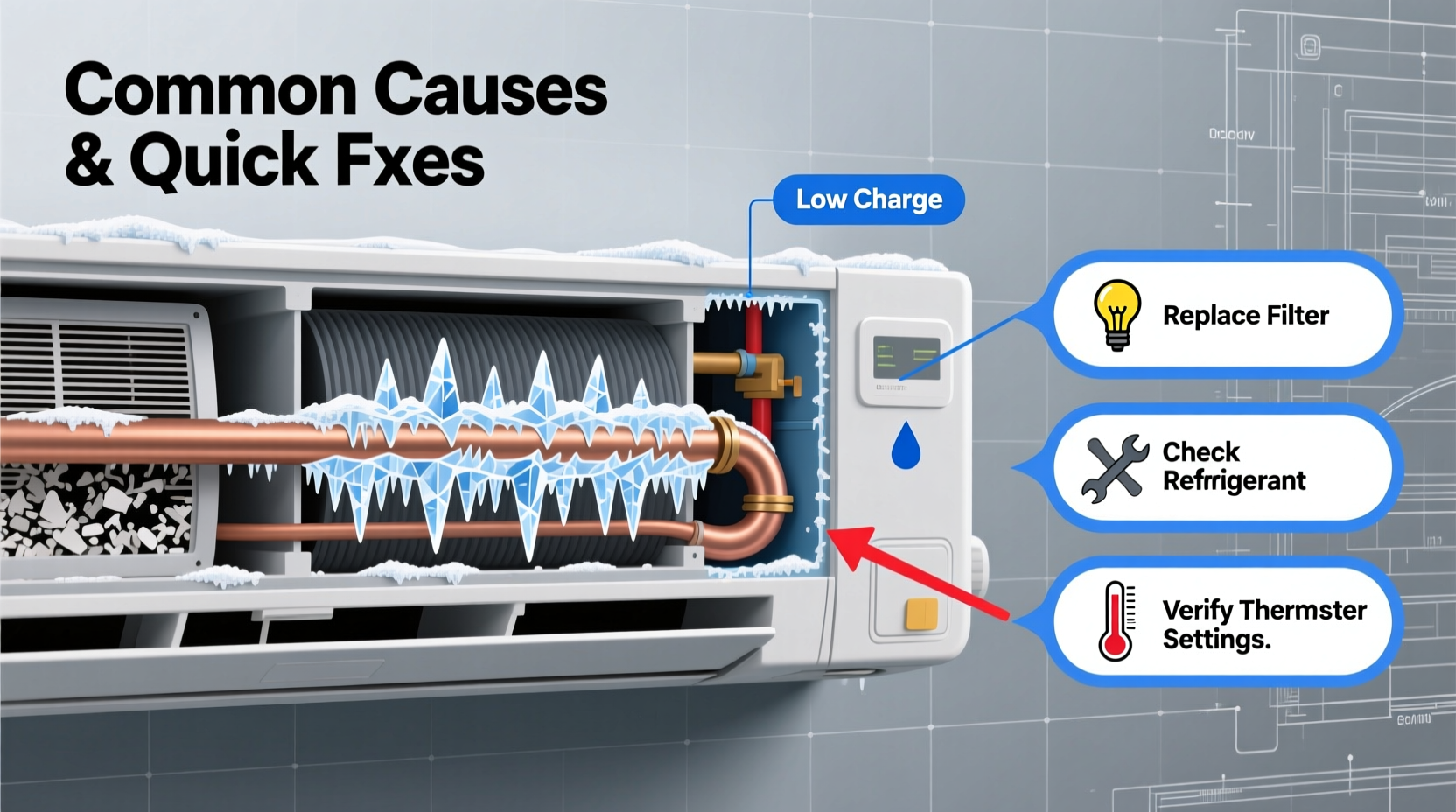
The evaporator coil inside your indoor AC unit absorbs heat from the air. As warm air passes over the cold coil, condensation forms—much like water droplets on a cold drink. Under normal conditions, this moisture drains away safely. But when airflow is restricted or refrigerant levels drop, the coil temperature falls below freezing, causing the condensation to freeze into a thick layer of ice.
This ice buildup doesn’t just reduce cooling—it forces the system to work harder, increasing wear and raising energy bills. Left unattended, it can lead to compressor damage or refrigerant leaks.
Top 5 Causes of a Frozen AC Line
- Low Airflow Due to Dirty Air Filters – The most common cause. A clogged filter restricts air movement, preventing warm air from reaching the coil.
- Dirty Evaporator Coil – Dust and grime insulate the coil, reducing its ability to absorb heat and leading to freezing.
- Insufficient Refrigerant (Freon Leak) – Low refrigerant pressure drops coil temperature below freezing, even with proper airflow.
- Failing Blower Motor or Fan – If the fan isn’t running at full speed or stops intermittently, the coil can’t stay warm enough.
- Blocked or Closed Vents and Registers – Closing too many vents disrupts system balance and reduces return airflow.
Step-by-Step Guide to Thawing and Fixing a Frozen AC Line
Follow this sequence to safely diagnose and resolve a frozen AC issue:
- Turn Off the Cooling Function – Switch your thermostat to “Off” to stop the compressor. Do not just turn off the fan yet.
- Switch the Fan to “On” – This circulates warm indoor air over the coil, accelerating the thawing process. Expect 1–4 hours depending on ice thickness.
- Inspect and Replace the Air Filter – Check if the filter is visibly dirty. If so, replace it with the correct size and MERV rating.
- Check Air Vents and Registers – Ensure all supply and return vents are open and unobstructed by furniture or curtains.
- Clean the Evaporator Coil (if accessible) – Use a soft brush and no-rinse coil cleaner. Avoid bending fins or using excessive force.
- Verify Blower Operation – Listen for unusual noises or weak airflow. If the fan runs slowly or inconsistently, electrical or motor issues may exist.
- Restart the System – Once fully thawed, turn the thermostat back to “Cool.” Monitor for proper airflow and consistent cooling.
When Refrigerant Is the Culprit
If the system freezes again within a few days despite clean filters and clear vents, low refrigerant is likely the issue. Unlike fuel, refrigerant doesn’t get “used up”—a drop in charge means there’s a leak.
Refrigerant leaks require professional detection and repair. Technicians use specialized tools like UV dyes or electronic sniffers to locate tiny leaks in joints, valves, or coils. After repairs, the system must be recharged to factory specifications.
“Over 60% of repeat freezing incidents we see are due to undiagnosed refrigerant leaks. Homeowners fix the symptom but miss the real problem.” — Carlos Mendez, HVAC Technician with 18 years of field experience
Do’s and Don’ts: Quick Reference Table
| Do | Don’t |
|---|---|
| Turn the fan on to help thaw ice faster | Use a hairdryer or heat gun near refrigerant lines |
| Replace air filters every 30–90 days | Run the system while ice is still present |
| Keep vents and registers fully open | Ignore persistent freezing after basic fixes |
| Schedule annual HVAC maintenance | Attempt to recharge refrigerant without certification |
| Clean indoor unit surroundings regularly | Block the return air grille with furniture or drapes |
Real-World Example: The Case of the Recurring Freeze-Up
Jamie in Phoenix noticed her AC wasn’t cooling properly. She found ice forming on the line set near the indoor handler. After turning off cooling and running the fan for three hours, the ice melted. She replaced the filter and cleared nearby vents. The system worked fine—for two days. Then, ice returned.
She called a technician who measured refrigerant pressure and found it 25% below standard. Using a UV dye test, they discovered a small leak at the evaporator coil’s service valve. After repairing the joint and recharging the system, the freezing stopped completely. Jamie learned that while maintenance helps, some problems require expert diagnosis.
Prevention Checklist: Avoid Future Freezing
- ✅ Replace air filter monthly during peak season
- ✅ Vacuum supply and return vents quarterly
- ✅ Trim vegetation around outdoor unit for unrestricted airflow
- ✅ Schedule professional tune-up once per year (spring recommended)
- ✅ Monitor cooling performance weekly—watch for weak airflow or longer run times
- ✅ Install a smart thermostat to detect abnormal cycling patterns
- ✅ Keep emergency HVAC contact info handy for recurring issues
Frequently Asked Questions
Can low outdoor temperatures cause an AC line to freeze?
Yes. Running your AC when outdoor temps drop below 60°F (15°C) can cause freezing, especially in older systems. Modern units have low-ambient kits, but many residential models don’t. Avoid cooling mode during cool nights unless necessary.
Is a frozen AC line dangerous?
It’s not an immediate safety hazard like gas leaks, but prolonged freezing can damage the compressor, lead to water overflow, or degrade insulation on wiring. Address it promptly to prevent costly repairs.
How long does it take to thaw a frozen AC line?
Typically 1 to 4 hours with the fan running. Thick ice or high humidity may extend thawing time. Patience is key—forcing it with heat risks damaging components.
Conclusion: Act Fast, Think Long-Term
A frozen AC line is more than just an inconvenience—it’s a warning sign. While quick fixes like changing the filter or restarting the fan offer temporary relief, lasting solutions come from consistent maintenance and timely professional intervention. By understanding the causes and acting decisively, you can restore comfort quickly and protect your system’s longevity.




 浙公网安备
33010002000092号
浙公网安备
33010002000092号 浙B2-20120091-4
Comments
No comments yet. Why don't you start the discussion?