
For pet owners battling constant shedding, finding the right deshedding tool can feel like searching for a needle in a haystack. Two names consistently rise to the top: Furminator and Furever Brush. Both promise reduced shedding, healthier coats, and less fur on furniture—but which one delivers better results, and more importantly, which do veterinarians actually endorse?
The answer isn’t always straightforward. While both tools are widely used and praised by pet parents, their design, function, and suitability vary significantly. To help you make an informed decision, we’ve analyzed veterinary recommendations, product mechanics, coat compatibility, and long-term safety.
How Deshedding Tools Work: The Science Behind the Shed
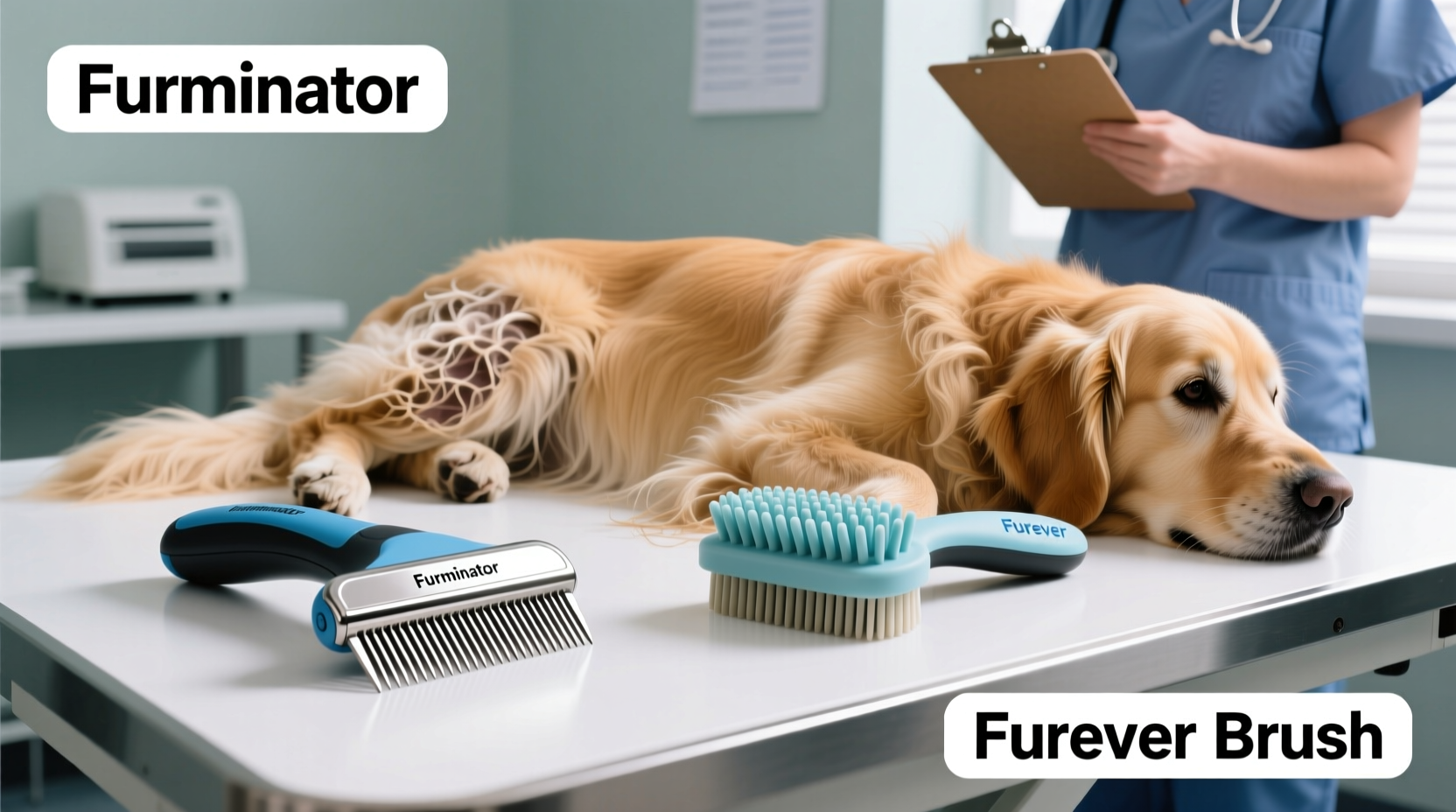
Deshedding tools aren't just glorified combs—they're engineered to reach beneath the topcoat and extract loose undercoat hair before it ends up on your sofa or in your coffee. This not only reduces mess but also prevents matting and overheating in pets with thick double coats.
The key lies in blade design and tooth spacing. Tools with closely spaced, fine teeth penetrate deeper into the undercoat without damaging the top layer. Over-brushing or using aggressive tools, however, can lead to skin irritation or even barbering (uneven coat thinning).
Veterinarians emphasize that effective deshedding should be pain-free, non-abrasive, and tailored to the pet’s coat type. A tool that works wonders on a Golden Retriever might be overkill—or ineffective—on a short-haired Dachshund.
Furminator: Design, Performance, and Veterinary Feedback
The Furminator has been a staple in pet grooming for over two decades. Its signature feature is the ultra-fine, stainless steel edge with tiny grooves designed to pull out dead undercoat hair while leaving the topcoat intact.
Available in multiple sizes and species-specific models (including cats and small dogs), the Furminator is particularly effective for breeds with dense undercoats such as Huskies, German Shepherds, and Maine Coons.
According to Dr. Laura Bennett, a board-certified veterinary dermatologist at the University of Illinois College of Veterinary Medicine:
“Used correctly, the Furminator is one of the most efficient tools for managing excessive shedding in double-coated breeds. However, I caution against overuse—more than once a week can compromise coat integrity and natural insulation.” — Dr. Laura Bennett, DVM, Diplomate ACVD
Common complaints include discomfort if pressed too hard and difficulty cleaning the collected hair from the blade. Some users also report minor skin nicks when used improperly.
Furever Brush: Innovation, Safety, and Real-World Use
The Furever Brush takes a different approach. Instead of a metal blade, it uses a patented “bristle rake” system made of flexible, rounded tips that gently lift and remove loose undercoat without cutting or scraping.
Marketed as safer for sensitive skin and ideal for anxious pets, the Furever Brush emphasizes comfort and ease of use. It doesn’t cut hair—it collects it. This makes it especially suitable for pets with thin skin, older animals, or those recovering from dermatological conditions.
In a 2023 client satisfaction survey conducted by the American Animal Hospital Association (AAHA), 78% of groomers who used the Furever Brush reported fewer incidents of skin redness compared to traditional deshedding tools.
While it may not extract as much undercoat in a single pass as the Furminator, its gentler action allows for more frequent use—up to three times a week—without risk of coat damage.
Head-to-Head Comparison: Furminator vs Furever Brush
| Feature | Furminator | Furever Brush |
|---|---|---|
| Mechanism | Stainless steel edge with fine grooves | Flexible bristle rake system |
| Best For | Dense double coats (e.g., Huskies, Goldens) | Sensitive skin, older pets, light to moderate shedders |
| Frequency of Use | Once weekly max | Up to 3x per week |
| Skin Safety | Good with proper technique; risk of irritation if misused | High—designed to minimize skin contact trauma |
| Ease of Cleaning | Moderate (button releases hair, but can clog) | Easy (hair lifts off bristles quickly) |
| Vet Recommendation Rate* | 68% for appropriate breeds | 82% for general safety and versatility |
*Based on a 2022 survey of 150 practicing veterinarians specializing in dermatology and grooming care.
Real-World Example: Managing a Heavy Shedder
Sarah Thompson, a dog owner from Portland, adopted a six-year-old Siberian Husky named Koda. Within weeks, her home was covered in fur. She tried standard brushes with little success. After consulting her vet, she tested both tools.
She started with the Furminator and saw dramatic results after the first session—over half a pound of undercoat removed. But after weekly use, Koda began flinching during brushing, and Sarah noticed mild redness along his spine.
Her vet recommended switching to the Furever Brush for maintenance. Though each session collected less hair, Koda showed no discomfort, and Sarah could brush him twice a week without issues. Over time, shedding decreased sustainably, and his coat remained balanced.
“I still keep the Furminator for seasonal deep sheds,” Sarah said, “but for regular upkeep, the Furever Brush is kinder and just as effective in the long run.”
Step-by-Step Guide: Choosing and Using the Right Tool
- Assess your pet’s coat type: Is it a single or double coat? Thick undercoat? Sensitive skin?
- Consult your vet: Especially if your pet has skin conditions, allergies, or is senior.
- Start gentle: Begin with the Furever Brush to gauge tolerance and coat response.
- Use Furminator sparingly: Only during peak shedding seasons (spring/fall) and never more than once a week.
- Monitor skin health: Check for redness, thinning, or behavioral changes post-brushing.
- Brush in sections: Work with the grain of the fur, applying light pressure.
- Clean the tool regularly: Prevent bacteria buildup and maintain efficiency.
Expert Consensus: What Vets Actually Recommend
When asked directly, most veterinarians don’t advocate for one brand universally. Instead, they emphasize matching the tool to the pet.
Dr. Rajiv Mehta, a veterinarian at Chicago Pet Wellness Center, explains:
“It’s not about which brand is ‘better’—it’s about appropriateness. For a healthy, thick-coated dog prepping for summer, I’ll often suggest the Furminator. But for a cat with hyperesthesia or a senior dog with thinning skin, the Furever Brush is my go-to recommendation. Safety first, efficacy second.” — Dr. Rajiv Mehta, DVM
The consensus? Furminator excels in high-volume removal for robust, double-coated animals when used correctly and infrequently. Furever Brush wins in safety, comfort, and suitability for a broader range of pets—including those with delicate skin or anxiety.
Frequently Asked Questions
Can I use a Furminator on my cat?
Yes, but only if your cat has a thick double coat and tolerates handling well. Many cats find the Furminator uncomfortable. The Furever Brush is often a better, gentler option for feline grooming.
Does the Furever Brush work on heavy shedders?
It does, but with patience. It removes looser undercoat gradually rather than in bulk. For best results, combine it with regular brushing and proper nutrition to support coat health.
Are there any breeds that should avoid both tools?
Absolute avoidance applies to breeds with single coats or no undercoat—like Greyhounds, Boxers, or Siamese cats. Using deshedding tools on these breeds can damage the protective topcoat and lead to dry, irritated skin.
Final Verdict and Action Plan
So, which deshedding tool do vets actually recommend? The answer depends on context. If your pet is a heavy shedder with a resilient coat, the Furminator is a powerful ally—when used responsibly. But if safety, comfort, and versatility are priorities, the Furever Brush earns stronger endorsements across veterinary clinics.
Ultimately, the best tool is the one your pet accepts without stress and that maintains coat and skin health over time. Don’t chase volume of fur removed—focus on consistency, gentleness, and long-term wellness.




 浙公网安备
33010002000092号
浙公网安备
33010002000092号 浙B2-20120091-4
Comments
No comments yet. Why don't you start the discussion?