
In 2013, two smartphones dominated consumer conversations in strikingly different ways: the Samsung Galaxy S4, a high-end Android flagship, and the Apple iPhone 5c, marketed as a colorful, more affordable alternative to the premium iPhone 5s. While both devices had their merits, one viral moment shifted public perception—drop tests. Videos comparing how each phone fared when dropped from waist height began circulating widely online. The results were dramatic. But beyond the spectacle, a deeper question emerged: Did anyone actually prefer the iPhone 5c after seeing these tests? The answer isn’t as simple as screen cracks and dented frames—it involves design philosophy, material choices, and user expectations.
The Drop Test That Sparked the Debate
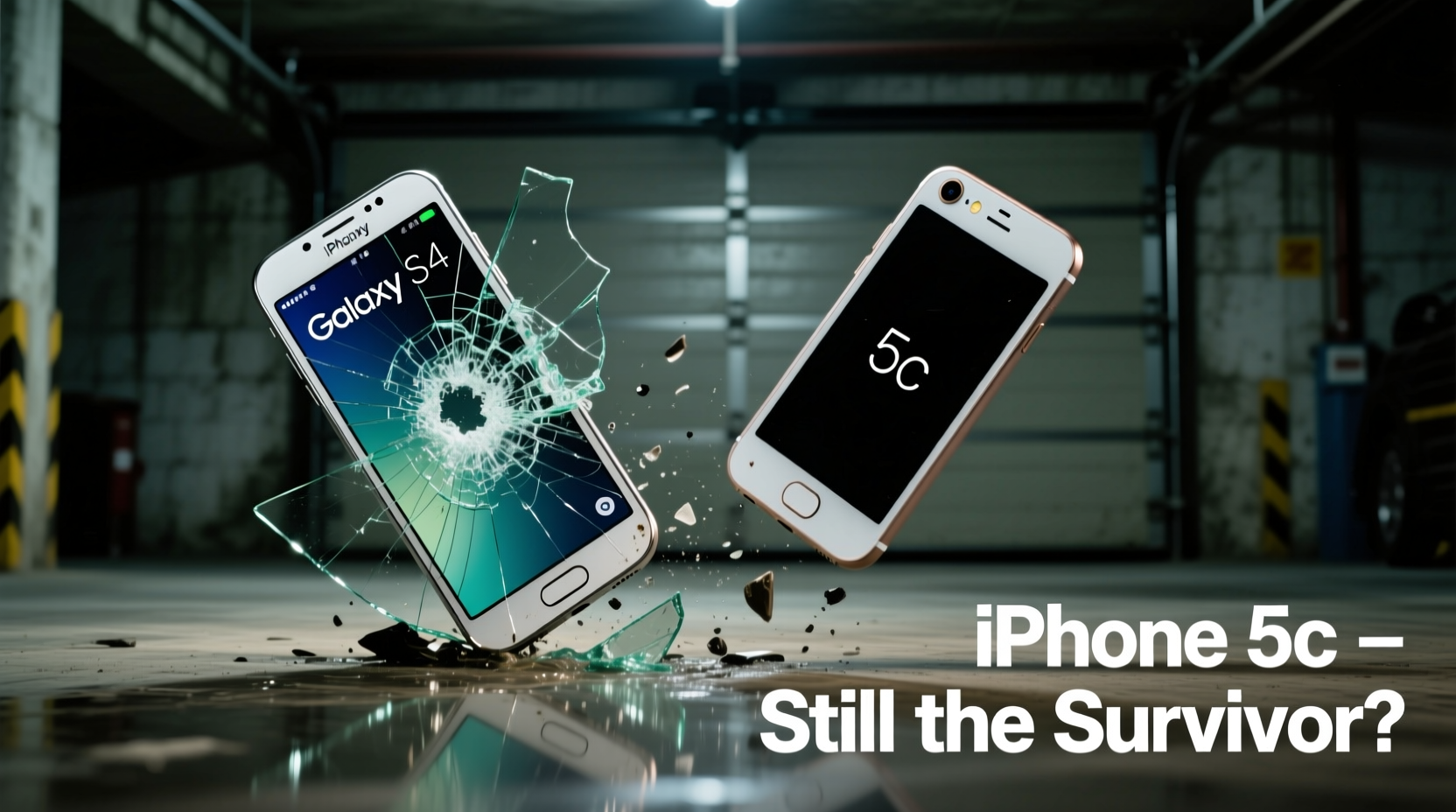
A now-infamous drop test conducted by multiple tech reviewers—including popular YouTube channels like PocketNow and CNET—showed both phones subjected to repeated drops onto concrete from approximately four feet. The Galaxy S4, with its polycarbonate body and glass front, survived relatively well. Minor scuffs appeared, but functionality remained intact after several impacts. In contrast, the iPhone 5c, despite its brightly colored plastic shell, suffered catastrophic failure within just two drops: the screen shattered, the housing cracked near the buttons, and internal components were visibly compromised.
This wasn't an isolated result. Across multiple independent tests, the 5c consistently underperformed in structural resilience. Yet, Apple marketed it as a durable, youth-friendly device. The contradiction raised eyebrows—and questions about whether aesthetics were prioritized over engineering integrity.
Material Choices: Plastic Isn’t Always Weak (But Apple’s Version Was)
At first glance, both phones used plastic, but the type and construction differed significantly. The Galaxy S4 featured a soft-touch polycarbonate back with reinforced internal framing, designed to absorb impact. Its display was protected by Gorilla Glass 3, which offered improved scratch and shatter resistance over earlier versions.
The iPhone 5c, meanwhile, used a hard-coated polycarbonate unibody shell. While Apple claimed this made the phone “more durable than any previous iPhone,” the rigidity of the material worked against it during impact. Unlike flexible plastics that bend and rebound, the 5c’s shell transferred shock directly to the screen and internal frame, increasing damage likelihood.
“Plastic can be extremely durable when engineered correctly—but brittleness without flexibility defeats the purpose.” — Dr. Lena Park, Materials Engineer at MIT
The irony is palpable: Samsung, often criticized for using \"cheap-feeling\" plastic, built a sturdier device, while Apple’s attempt at a budget-friendly model ended up feeling less reliable than its predecessor.
Performance Comparison Beyond Durability
Durability aside, users evaluated these phones based on overall experience. Here's a side-by-side comparison of key features:
| Feature | Galaxy S4 | iPhone 5c |
|---|---|---|
| Processor | Exynos 5 Octa / Snapdragon 600 (dual quad-core) | Apple A6 (dual-core) |
| RAM | 2GB | 1GB |
| Display | 5.0” Full HD Super AMOLED | 4.0” IPS LCD (Retina) |
| Camera | 13 MP rear, 2 MP front | 8 MP rear, 1.2 MP front |
| Battery Life (typical use) | ~18 hours | ~10 hours |
| Drop Test Outcome | Moderate damage after 3+ drops | Catastrophic failure after 1–2 drops |
The Galaxy S4 clearly outperformed the iPhone 5c across nearly every technical category. However, raw specs didn’t always sway consumers who valued ecosystem integration, iOS simplicity, or brand loyalty.
A Real Consumer Dilemma: Sarah’s Experience
Sarah, a college student at the time, chose the iPhone 5c because she loved its vibrant green case and trusted Apple’s reputation. She watched a few drop test videos before buying but dismissed them as “overblown.” Within three weeks, she dropped it down a flight of stairs. The screen spiderwebbed instantly, and the power button stopped responding. She spent $149 on a repair—more than half what she paid for the phone new.
“I thought the color meant fun and toughness,” she recalled. “Turns out, it was just pretty on the outside. If I’d seen how badly it failed those tests, I would’ve gone with the Galaxy or saved for the 5s.”
Her story reflects a broader trend: many 5c buyers were young users or first-time smartphone owners drawn to its aesthetic appeal, unaware of its structural weaknesses until it was too late.
Why Some Still Preferred the 5c (Despite the Results)
Surprisingly, not everyone turned away from the iPhone 5c after seeing the drop tests. Several factors explain continued preference:
- iOS Ecosystem Lock-In: Users already invested in iCloud, iTunes, and App Store subscriptions found switching platforms inconvenient.
- Perceived Build Quality: Even though it failed drop tests, the 5c felt solid in hand compared to other plastic phones—a psychological advantage.
- Color Personalization: For fashion-conscious users, the range of colors (white, blue, pink, yellow, green) outweighed concerns about fragility.
- Brand Trust: Apple’s reputation for software optimization and long-term support reassured buyers, even if hardware durability faltered.
Still, among tech-savvy audiences and reviewers, the consensus leaned heavily toward the Galaxy S4 as the more resilient and capable device.
Expert Insight: Long-Term Reliability vs. First Impression
“The iPhone 5c was a misstep in Apple’s product strategy. It looked playful but behaved like a prototype. Meanwhile, Samsung had refined their build process to balance cost and durability effectively.” — Mark Roper, Senior Analyst at TechInsider Reports
Roper notes that while Apple later corrected course with stronger materials in subsequent models (like the aluminum-bodied 6 series), the 5c remains a cautionary tale about compromising structural integrity for visual appeal.
What You Should Learn From This Today
Even though these phones are over a decade old, the lessons remain relevant. Modern smartphones still face similar trade-offs between design, materials, and durability. Use the following checklist before your next purchase:
Smartphone Durability Checklist
- Check independent drop and scratch test results (e.g., JerryRigEverything).
- Verify whether the device uses Gorilla Glass or equivalent protection.
- Look into frame construction—metal or reinforced polymer beats brittle plastic.
- Consider water and dust resistance ratings (IP67/IP68).
- Evaluate warranty and repair costs—some brands charge premium prices for fixes.
Frequently Asked Questions
Did the iPhone 5c have any advantages over the Galaxy S4?
Yes. The iPhone 5c ran iOS, offering smoother long-term software updates, tighter app optimization, and better camera processing in good lighting. It also integrated seamlessly with other Apple devices, which mattered to ecosystem users.
Was the Galaxy S4 really more durable in daily use?
Generally, yes. User reports and lab tests confirmed that the S4 handled accidental drops better due to its shock-absorbing frame and superior screen protection. However, its glass front could still crack without a screen protector.
Is it safe to buy older phones like these for backup use?
Possibly, but not recommended. Both devices lack modern security updates, app support, and battery efficiency. Additionally, finding replacement parts is increasingly difficult.
Final Thoughts: Preference Is Personal, But Evidence Matters
So, did anyone actually prefer the iPhone 5c after seeing the drop test results? Some did—particularly those loyal to Apple or charmed by its design. But objectively, the Galaxy S4 proved to be the tougher, more capable device in almost every measurable way. The 5c became symbolic of a rare Apple miscalculation: prioritizing style over substance in a market that demanded both.
If there’s one takeaway, it’s this: don’t let color, branding, or nostalgia override practical testing. Real-world durability matters more than first impressions. Whether you're choosing a phone today or reflecting on past models, let evidence guide your decision—not hype.




 浙公网安备
33010002000092号
浙公网安备
33010002000092号 浙B2-20120091-4
Comments
No comments yet. Why don't you start the discussion?