
In 2024, few consumers are actively choosing to buy a Galaxy S8 Plus or iPhone 7 Plus as a new device. These models were flagship smartphones in 2017, but nearly seven years later, they’re far beyond their software and hardware lifespans. Yet, surprisingly, some users are still holding onto them — and when they finally upgrade, it’s often not to another high-end model right away. Instead, their transition paths reveal broader trends in smartphone longevity, user behavior, and economic realities.
This article explores who is still using these devices, what they’re upgrading from, and the practical considerations driving their choices in today’s mobile landscape.
Why Are People Still Using Galaxy S8 Plus or iPhone 7 Plus?
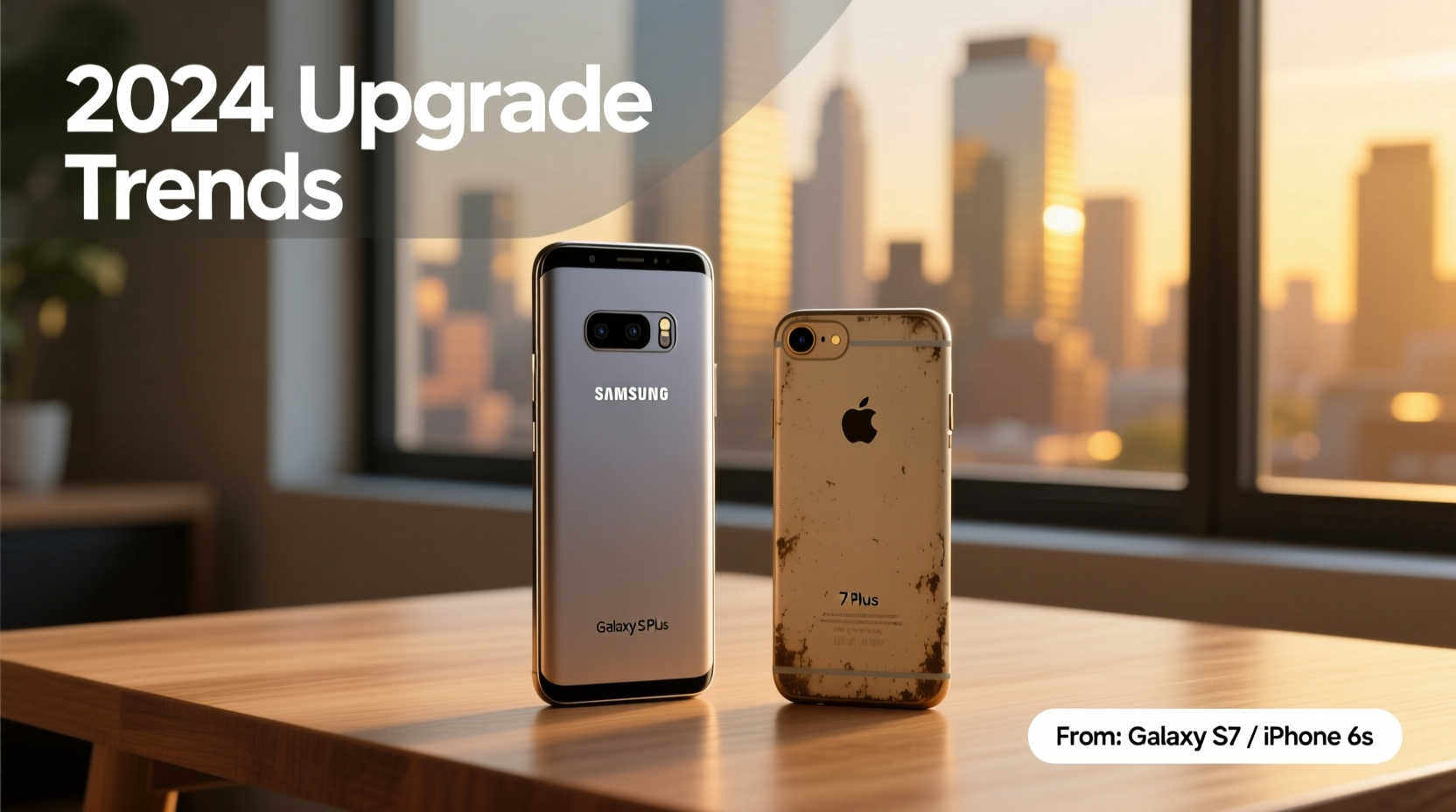
The persistence of these older phones isn’t just nostalgia. For many, it’s necessity. The Galaxy S8 Plus and iPhone 7 Plus were built with premium materials and robust internals for their time. Both devices offered excellent build quality, strong battery life (for 2017), and reliable performance that held up well into the early 2020s.
Apple supported the iPhone 7 Plus with iOS updates until 2023, ending at iOS 16. Samsung extended security patches for the Galaxy S8 Plus into early 2022, with Android 9 being its final OS. While neither device supports modern apps efficiently anymore, some users continue relying on them for basic functions: calls, texts, light browsing, and offline media.
What Users Are Actually Upgrading From
When someone upgrades from an iPhone 7 Plus or Galaxy S8 Plus in 2024, they’re not moving from one current-gen device to another. They’re stepping out of a technological decade behind. Their upgrade journey is less about preference and more about catching up.
- iPhone 7 Plus users often come from Apple’s ecosystem but have avoided upgrading due to cost, satisfaction with iOS simplicity, or lack of compelling innovation in newer models.
- Galaxy S8 Plus users typically stayed loyal to Android but delayed upgrades due to fragmentation issues, poor update support after 2022, or switching to budget brands temporarily.
A 2023 Consumer Technology Association report found that 12% of U.S. smartphone users were still operating devices over five years old, with the iPhone 7 and Galaxy S8 among the most common. This group tends to be older adults, budget-conscious families, or individuals in rural areas with limited access to carrier promotions.
Upgrade Paths in 2024: From Legacy Devices to Modern Alternatives
When these users finally upgrade, their choices reflect both practicality and a steep learning curve. Many aren’t jumping straight to the latest iPhone 15 or Galaxy S24 Ultra. Instead, they opt for mid-tier models that balance affordability and functionality.
| Previous Device | Common Upgrade Choice (2024) | Key Reasons |
|---|---|---|
| iPhone 7 Plus | iPhone SE (2022 or 2024) | Familiar home button layout, lower cost, iOS continuity |
| iPhone 7 Plus | iPhone 12 or 13 (refurbished) | Better camera, 5G, Face ID adaptation |
| Galaxy S8 Plus | Samsung Galaxy A54 | Similar screen size, modern One UI, expandable storage option |
| Galaxy S8 Plus | Google Pixel 7a | Pure Android experience, long-term software support |
| Either Device | Used iPhone 11 / Galaxy S20 | Middle ground: capable hardware, available at $200–$300 range |
“Users upgrading from pre-2018 phones face a usability gap — not just in speed, but in gesture navigation, app compatibility, and biometric authentication.” — Dr. Lena Torres, Human-Device Interaction Researcher, MIT Media Lab
Mini Case Study: Maria’s Transition from iPhone 7 Plus
Maria, a 68-year-old retiree from Tucson, used her iPhone 7 Plus daily since 2017. She relied on it for photos of her grandchildren, weather updates, and occasional video calls via FaceTime. By late 2023, the battery drained within four hours, apps began crashing, and she could no longer install critical updates.
After visiting her local Apple Store, she was advised to consider the iPhone SE (2024). Its compact size, physical home button with Touch ID, and lower price point ($429) made it ideal. Though initially hesitant about the smaller screen, Maria adapted quickly with larger text settings and voice commands. Her biggest adjustment? Learning to use Siri more effectively and enabling automatic background app refresh to prevent freezes.
Her experience reflects a common pattern: older users prioritize familiarity and ease of use over cutting-edge features. For them, upgrading isn't about chasing specs — it's about regaining reliability.
Actionable Checklist Before Upgrading from S8 Plus or 7 Plus
If you’re still using one of these legacy devices, here’s what to do before making the leap:
- Back up all data — Use iCloud or Google Drive to save photos, contacts, and messages.
- Check app compatibility — Test if essential services (banking, email, health apps) still function.
- Evaluate battery health — On iPhone, go to Settings > Battery > Battery Health. Replace if below 70%.
- Determine your needs — Do you want a large screen? Long software support? Physical buttons?
- Set a realistic budget — Refurbished or previous-gen models can save hundreds without sacrificing core functionality.
- Prepare for new interfaces — Learn swipe gestures, facial recognition, or voice assistants ahead of time.
Step-by-Step: How to Migrate Data from Legacy Phones
Moving from an outdated device requires careful planning. Follow this timeline:
- Week 1: Audit Your Usage
Create a list of apps you use daily. Identify which ones require modern OS versions. - Week 2: Back Up Everything
iPhone: Use iCloud or iTunes. Android: Enable Google sync for contacts, calendar, and photos. - Week 3: Research Replacements
Compare refurbished options on platforms like Swappa, Amazon Renewed, or carrier trade-in programs. - Week 4: Purchase & Set Up
Activate your new phone, restore from backup, and customize accessibility settings (font size, voice control). - Week 5: Decommission Old Device
Factory reset, remove SIM card, and recycle responsibly through manufacturer take-back programs.
FAQ: Common Questions About Upgrading in 2024
Can I still use my Galaxy S8 Plus safely in 2024?
No major hardware risks exist, but without security updates since 2022, the device is vulnerable to malware and phishing attacks. Avoid public Wi-Fi, refrain from downloading new apps, and never enter sensitive credentials.
Is it worth repairing an iPhone 7 Plus now?
Only for temporary use. Apple no longer sells official replacement parts for the 7 Plus, and third-party repairs may not resolve underlying performance issues. It’s better to invest in a newer device.
What’s the cheapest viable upgrade from these phones?
The iPhone SE (2022/2024) starts at $429 and offers full iOS support. On Android, the Pixel 7a ($399) or Samsung Galaxy A14 5G ($229) provide modern experiences at lower costs.
Conclusion: Time to Move Forward
The Galaxy S8 Plus and iPhone 7 Plus were milestones in smartphone design, but in 2024, clinging to them limits access to safety, speed, and connectivity. Whether you’re upgrading due to failure, frustration, or necessity, the good news is that capable replacements exist at every price point.
Modern phones offer longer software support, better cameras, improved battery efficiency, and enhanced privacy controls. Even modest upgrades bring significant quality-of-life improvements. Don’t let fear of change delay progress — with proper preparation, transitioning from a legacy device can be smooth, secure, and empowering.




 浙公网安备
33010002000092号
浙公网安备
33010002000092号 浙B2-20120091-4
Comments
No comments yet. Why don't you start the discussion?