
When shopping for a Galaxy Watch 5, one of the first decisions you’ll face is screen size: 44mm or 40mm? On paper, the larger model seems like the obvious upgrade—bigger display, longer battery life, more presence on the wrist. But is that always the best choice? Or are you paying extra for features you don’t actually need?
The truth is, “better” depends entirely on your lifestyle, wrist size, and priorities. While Samsung markets the 44mm as the premium option, many users find the 40mm delivers a more balanced experience. Let’s cut through the marketing and examine what really matters when choosing between these two models.
Size & Fit: Comfort Over Specs
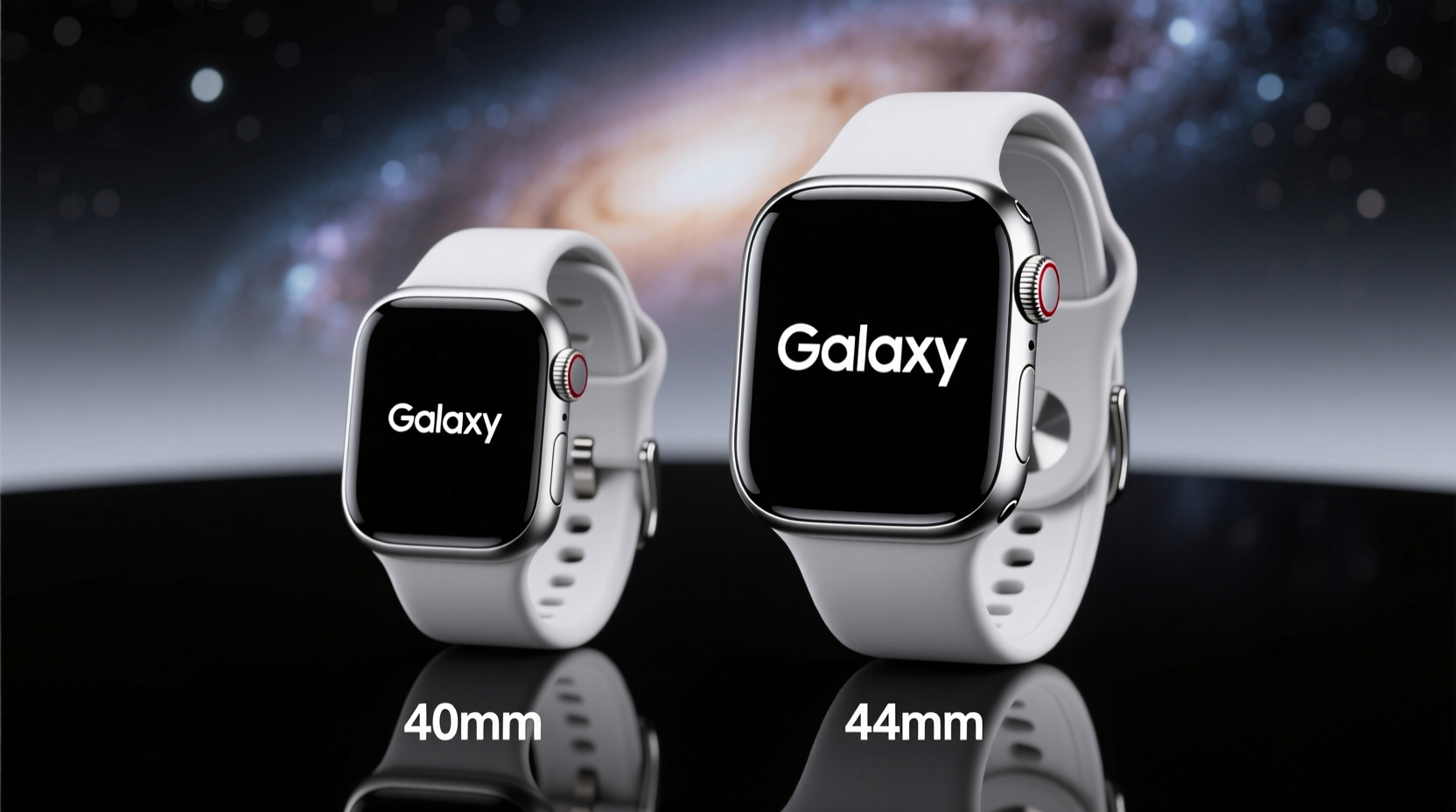
The most immediate difference between the 44mm and 40mm Galaxy Watch 5 is physical footprint. The 44mm has a 1.4-inch display; the 40mm uses a 1.2-inch screen. That might not sound like much, but on the wrist, it's noticeable.
If you have smaller or average-sized wrists (under 7 inches), the 44mm can feel bulky, especially during sleep tracking or while typing. It may ride up your wrist or press against keyboards. The 40mm, by contrast, sits flush and feels more like a traditional watch.
For women or those with slender wrists, the 40mm often provides a more elegant, less intrusive profile. But if you're used to large fitness trackers or smartwatches, the 44mm might feel natural—or even preferable for visibility.
Battery Life: Bigger Case, Bigger Capacity
Battery performance is where the 44mm clearly wins. It houses a 390mAh battery compared to the 40mm’s 284mAh. In real-world use, this translates to roughly 1.5–2 days for the 44mm versus about 1 day for the 40mm under similar conditions—GPS workouts, notifications, heart rate monitoring included.
That said, actual longevity depends heavily on usage. If you disable continuous heart rate, reduce screen brightness, and limit third-party apps, the 40mm can stretch closer to 36 hours—enough for most users.
But if you're an athlete logging daily GPS runs, or someone who dislikes nightly charging, the 44mm offers meaningful peace of mind. For casual users, though, the smaller model’s battery may be perfectly adequate.
Performance & Features: Identical Under the Hood
Both watches run the same Wear OS with Samsung One UI, use the same Exynos W920 dual-core processor, and offer identical sensors: ECG, blood pressure estimation (where available), body composition scanning, sleep tracking, and fall detection.
There’s no performance gap. Apps open at the same speed. Notifications sync identically. Even the speaker and microphone quality are indistinguishable. The only hardware differences are battery size and case dimensions.
This means the core smartwatch experience is identical. Choosing between them isn’t about capability—it’s about ergonomics and endurance.
“Watch size should serve the user, not the other way around. A comfortable fit leads to consistent wear, which maximizes health tracking accuracy.” — Dr. Lena Park, Wearable Health Researcher, MIT Media Lab
Detailed Comparison: 44mm vs 40mm at a Glance
| Feature | Galaxy Watch 5 44mm | Galaxy Watch 5 40mm |
|---|---|---|
| Display Size | 1.4 inches | 1.2 inches |
| Resolution | 448 x 448 px | 396 x 396 px |
| Battery Capacity | 390 mAh | 284 mAh |
| Typical Battery Life | Up to 2 days | Up to 1–1.5 days |
| Weight | 33.5g | 29.5g |
| Water Resistance | 5ATM + IP68 | 5ATM + IP68 |
| Charging | Wireless & Fast Charging | Wireless & Fast Charging |
| Price (Launch) | $399 | $349 |
A Real-World Scenario: Who Chooses What?
Consider Sarah and James, both active professionals who want reliable health tracking and smartphone integration.
Sarah has small wrists and works in an office setting. She values discretion and hates charging devices daily. After trying both models, she chooses the 40mm. It fits under her sleeves, doesn’t interfere with typing, and lasts through her workday—even with moderate GPS use on weekend hikes. She charges it every night, treating it like her phone.
James, meanwhile, is an ultramarathon runner with a larger wrist. He logs long trail runs with GPS and music playback. He picks the 44mm for its superior battery and larger screen, which he can read easily mid-run. The extra weight doesn’t bother him, and he appreciates the added stamina during multi-day training camps.
Same product line, different needs—and both made the right call.
Step-by-Step: How to Choose the Right Size for You
- Measure your wrist. Use a tape measure around the spot where you’d wear the watch. Under 6.5 inches? Lean toward 40mm. Over 7 inches? 44mm will likely feel proportional.
- Assess your daily routine. Do you type all day? Sleep-tracking discomfort could affect data accuracy. Office workers may prefer a slimmer profile.
- Evaluate your workout habits. Frequent GPS use drains batteries fast. If you hate charging mid-week, the 44mm’s capacity helps.
- Test the look. Visit a retailer if possible. A watch that looks good also gets worn more consistently.
- Set a budget. The 44mm typically costs $50 more. Ask yourself: Is the battery worth the premium?
Frequently Asked Questions
Can I use the same bands for both sizes?
No. The 44mm uses 22mm bands; the 40mm uses 20mm. Make sure to buy compatible straps if upgrading or switching.
Does the 40mm feel underpowered compared to the 44mm?
No. Both use the same processor and operating system. App performance, responsiveness, and feature set are identical.
Is the smaller screen harder to use?
It depends on your eyesight and dexterity. Most users adapt quickly. However, if you frequently reply to messages or view maps on your wrist, the 44mm offers more space.
Action Checklist Before Buying
- ✅ Measure your wrist circumference
- ✅ Determine your typical battery demands (GPS, music, alerts)
- ✅ Decide whether you prioritize comfort or endurance
- ✅ Confirm band compatibility if reusing old accessories
- ✅ Try on both models in-store or order with flexible return policy
- ✅ Compare prices—sometimes retailers discount one size more than the other
Final Verdict: Bigger Isn’t Automatically Better
The Galaxy Watch 5 44mm isn’t a con—but it’s also not universally superior. It excels for athletes, outdoor enthusiasts, and those with larger wrists who value screen real estate and battery life. But for everyday users, especially those with smaller frames, the 40mm offers a smarter balance of function, comfort, and aesthetics.
You’re not being conned into buying bigger. You’re being given a choice. And the smartest decision isn’t based on size alone—it’s based on how the watch fits into your life.




 浙公网安备
33010002000092号
浙公网安备
33010002000092号 浙B2-20120091-4
Comments
No comments yet. Why don't you start the discussion?