
Plantar fasciitis is one of the most common causes of heel pain, affecting millions of people worldwide. Characterized by sharp, stabbing discomfort near the heel—especially with the first steps in the morning—it stems from inflammation of the plantar fascia, a thick band of tissue connecting the heel to the toes. While treatments vary, one of the most accessible and widely used solutions involves supportive footwear and insoles. Among the top contenders are gel insoles and memory foam insoles. But when it comes to relieving plantar fasciitis pain, which material performs better?
This article dives deep into the science, structure, and real-world performance of gel and memory foam insoles. We’ll compare their shock absorption, arch support, responsiveness, durability, and suitability for different foot types—all with the goal of helping you make an informed decision that brings lasting relief.
How Insoles Help With Plantar Fasciitis
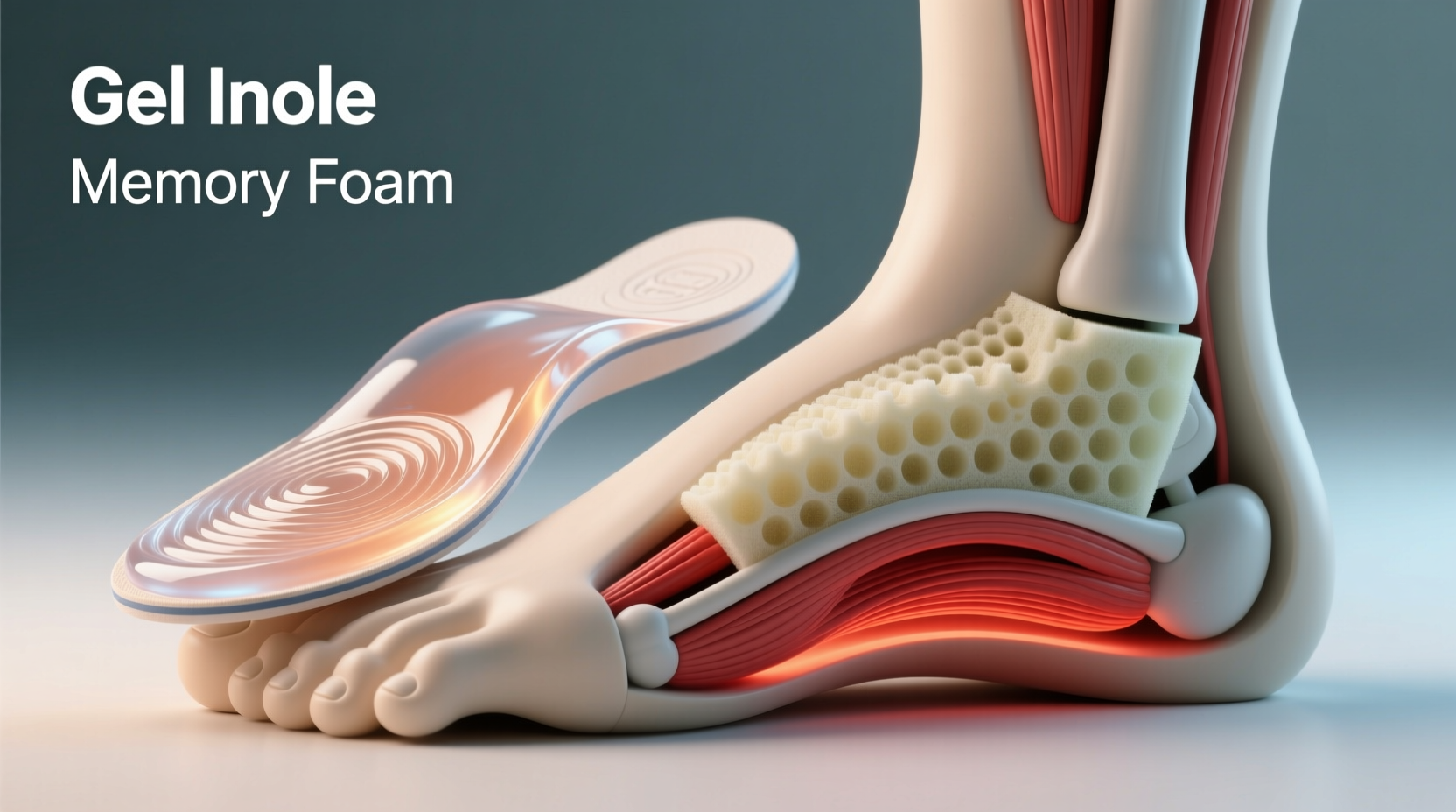
The plantar fascia bears significant stress during daily activities, especially walking and standing. When this ligament becomes overstretched or repeatedly strained, micro-tears occur, leading to inflammation and pain. Supportive insoles help by redistributing pressure, stabilizing the foot, and reducing strain on the plantar fascia.
Effective insoles for plantar fasciitis typically feature three key elements:
- Arch support – Prevents the arch from collapsing, reducing overstretching of the fascia.
- Cushioning – Absorbs impact, especially at heel strike.
- Firm heel cup – Stabilizes the heel and limits excessive motion.
While both gel and memory foam offer cushioning, they differ significantly in how they respond to pressure, heat, and long-term use—factors that directly influence their effectiveness for plantar fasciitis.
Gel Insoles: Structure, Benefits, and Drawbacks
Gel insoles are made from silicone-based polymers designed to mimic fluid dynamics under pressure. They don’t compress like foam; instead, they displace laterally, spreading force across the surface. This makes them highly effective at absorbing high-impact shocks, particularly during walking or standing on hard surfaces.
Key advantages of gel insoles include:
- Excellent shock absorption – Ideal for people who stand or walk on concrete or tile floors.
- Consistent performance in extreme temperatures – Unlike foam, gel doesn’t harden in cold weather or soften excessively in heat.
- Durable and long-lasting – Resistant to compression fatigue, meaning they maintain shape and function longer than many foams.
- Responsive feel – Provides immediate feedback and bounce-back, which some users find more supportive.
However, gel insoles have limitations. Most consumer-grade versions lack substantial arch support unless combined with a rigid or semi-rigid base. Pure gel tends to be flat or minimally contoured, which may not address the biomechanical root of plantar fasciitis—overpronation or fallen arches. Additionally, gel can feel “squishy” or unstable to some wearers, especially those with flat feet who need firm control rather than soft cushioning.
“For patients with plantar fasciitis who spend long hours on hard floors, gel inserts can reduce heel impact forces by up to 30%. But they must be paired with structural support to correct alignment.” — Dr. Alan Torres, Podiatrist and Gait Specialist
Memory Foam Insoles: Comfort, Conformity, and Limitations
Memory foam, originally developed by NASA, is a viscoelastic polyurethane that responds to body heat and pressure. It slowly molds to the shape of the foot, creating a custom-like fit that many users describe as “cloud-like” comfort.
The benefits of memory foam insoles for plantar fasciitis include:
- Personalized contouring – Adapts to foot shape, distributing weight evenly and reducing pressure points.
- Soft, plush feel – Ideal for sensitive heels or post-exercise recovery.
- Integrated arch support options – Many premium memory foam insoles combine foam layers with molded arch structures.
- Noisy-free and smooth ride – Glides quietly inside shoes without shifting or squeaking.
Yet memory foam has notable downsides. Its softness can compromise stability, especially for individuals with overpronation. Over time, memory foam compresses permanently, losing its supportive qualities—a process accelerated by heat and body weight. In hot climates or during prolonged use, the foam may soften too much, offering less resistance when the foot needs it most.
Another concern is breathability. Traditional memory foam traps heat and moisture, increasing sweat and bacterial growth—particularly problematic for those prone to foot odor or fungal infections.
Direct Comparison: Gel vs Memory Foam
To clarify the differences, here’s a side-by-side comparison of gel and memory foam insoles based on critical factors for plantar fasciitis relief:
| Feature | Gel Insoles | Memory Foam Insoles |
|---|---|---|
| Shock Absorption | Excellent – distributes impact laterally | Good – absorbs vertically but may bottom out |
| Arch Support | Limited unless reinforced with rigid base | Often integrated with structured arch |
| Responsiveness | High – immediate rebound | Low – slow to return to shape |
| Durability | High – resists compression over time | Moderate – degrades faster with heat/weight |
| Temperature Sensitivity | Minimal – performs consistently in heat/cold | High – softens in heat, stiffens in cold |
| Breathability | Poor to moderate – non-porous material | Poor – traps heat and moisture |
| Best For | Standing on hard surfaces, high-impact jobs | Light activity, home use, sensitive feet |
From this comparison, it’s clear that neither material is universally superior. The choice depends on lifestyle, foot mechanics, and symptom severity.
Real-World Example: Office Worker vs Construction Laborer
Consider two individuals with plantar fasciitis:
Sarah, 38, office administrator: Sarah spends most of her day sitting but experiences severe morning heel pain. She wears casual shoes with minimal support. A memory foam insole with a built-in arch provides her with the soft cushioning she craves and conforms to her foot over time. Because she isn’t on her feet all day, durability isn’t a primary concern. The plush feel eases her initial steps, and the contoured arch helps prevent collapse during short walks.
James, 45, construction worker: James stands on concrete for 8+ hours daily. His plantar fasciitis flares after long shifts. He tried memory foam, but it flattened within weeks and offered no stability. Switching to a hybrid insole with a gel heel pad and firm thermoplastic arch support dramatically reduced his end-of-day pain. The gel absorbed constant impact, while the rigid structure corrected his overpronation.
This contrast illustrates a key principle: the best insole matches the demands of your daily routine.
Step-by-Step Guide to Choosing the Right Insole
Selecting the right insole isn’t guesswork. Follow these steps to find the optimal solution for your plantar fasciitis:
- Assess your daily activity level – Are you sedentary, moderately active, or on your feet all day? High-impact roles favor gel or hybrid designs.
- Evaluate your shoe type – Do you wear athletic shoes, dress shoes, or sandals? Some insoles require deeper toe boxes or removable factory inserts.
- Check for arch height – Flat feet need firm arch support; high arches benefit from extra cushioning. Use the “wet test” (step on paper with wet feet) to determine your footprint.
- Look for medical-grade features – Choose insoles with deep heel cups, metatarsal padding, and motion control elements.
- Try before you commit – Many brands offer 30–60 day trial periods. Test them in your most worn shoes during peak pain times.
- Replace regularly – Even the best insoles degrade. Mark your calendar for replacement every 6–12 months.
Expert-Recommended Hybrid Solutions
In recent years, many podiatrists have shifted toward recommending hybrid insoles that combine the best of both worlds. These feature:
- A gel heel pad for superior shock absorption.
- A memory foam top layer for comfort and conformity.
- A rigid or semi-rigid polymer arch support core.
Brands like Superfeet, Sof Sole, and Powerstep now offer models that integrate all three components. These provide both immediate impact protection and long-term biomechanical correction—addressing both symptoms and underlying causes of plantar fasciitis.
“The future of orthotic design isn’t choosing between gel or foam—it’s combining materials intelligently. Patients get comfort *and* correction.” — Dr. Lena Patel, Biomechanics Researcher, University of Colorado
FAQ: Common Questions About Gel vs Memory Foam Insoles
Can I use gel and memory foam insoles together?
Not recommended. Layering insoles can alter shoe fit, increase pressure, and destabilize your foot. Instead, choose a single insole that combines both materials in a balanced design.
Do memory foam insoles worsen plantar fasciitis?
They can, if they’re too soft and lack arch support. Excessive cushioning without structure allows the foot to roll inward (overpronate), increasing strain on the plantar fascia. Always pair soft materials with firm support.
Are gel insoles good for flat feet?
Only if they include a strong arch support component. Pure gel insoles do little to correct flat feet. Look for models with a pronounced medial arch and heel stabilization.
Final Verdict: Which Relieves Pain Better?
When it comes to direct pain relief from plantar fasciitis, **gel insoles generally outperform memory foam**—but only when combined with proper arch support. Their superior shock absorption and durability make them ideal for high-impact environments and long-term use. Memory foam excels in comfort and initial relief, especially for light-duty wear, but often lacks the structural integrity needed for lasting improvement.
The most effective approach is not choosing one over the other, but selecting a scientifically designed insole that leverages both materials where they perform best: gel in the heel for impact protection, memory foam on top for comfort, and a rigid support core to stabilize the arch.
Take Action Today for Lasting Relief
Don’t let plantar fasciitis dictate your daily life. Start by evaluating your current footwear and insoles. If you’re using flat inserts or relying solely on soft cushioning, consider upgrading to a medical-grade, multi-material insole. Combine this with stretching exercises, proper footwear, and timely replacement to maximize healing and prevent recurrence.




 浙公网安备
33010002000092号
浙公网安备
33010002000092号 浙B2-20120091-4
Comments
No comments yet. Why don't you start the discussion?