
At first glance, a necklace is a necklace—something beautiful draped around the neck that complements an outfit or expresses personality. But look closer, and you’ll find two distinct worlds: gemstone and beaded necklaces. While both fall under the umbrella of “beaded jewelry,” the materials used can differ dramatically in origin, value, symbolism, and longevity. The real question isn’t just about aesthetics—it’s whether the type of bead actually matters beyond surface-level style.
The answer is nuanced. Yes, personal taste plays a major role. But no, it’s not *just* about style. The kind of bead you choose influences how the piece feels, ages, costs, and even what it communicates. Understanding these differences empowers smarter purchases, better care, and more meaningful accessorizing.
Material Origins: Natural vs Synthetic
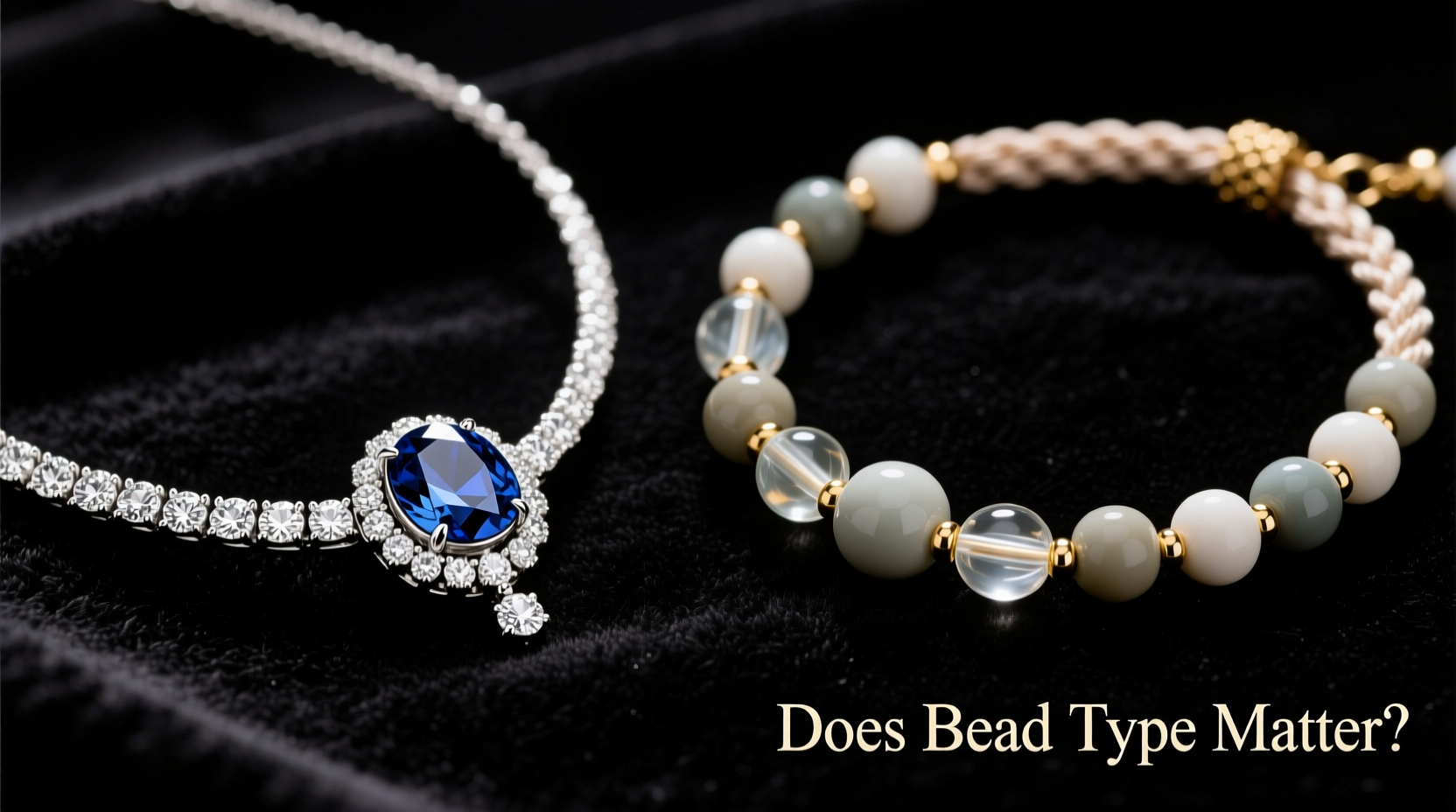
Gemstone beads are typically cut and polished from naturally occurring minerals. These include popular varieties like amethyst, turquoise, lapis lazuli, and garnet. Each stone forms over thousands or millions of years through geological processes, giving them unique inclusions, color variations, and energy signatures that many believe influence mood and well-being.
In contrast, beaded necklaces often refer to those made from man-made materials such as glass, plastic, wood, ceramic, or resin. While some—like Czech glass beads—are highly prized for craftsmanship, they lack the geological rarity of natural stones. Acrylic beads, commonly used in fashion jewelry, are lightweight and affordable but offer little in terms of metaphysical properties or long-term durability.
This fundamental difference in origin affects everything from weight to warmth. Gemstones tend to feel cooler and heavier against the skin. Glass or plastic beads may feel hollow or overly light. For many wearers, this sensory experience contributes significantly to perceived quality.
Durability and Longevity: What Lasts?
When evaluating whether bead type matters, durability is a critical factor. Hardness, measured on the Mohs scale, determines resistance to scratching and everyday wear. Most genuine gemstones rank between 5 and 8, with quartz varieties like agate (7) being excellent for daily use. Softer stones like opal (5.5–6.5) or pearl (2.5–4.5) require careful handling.
Synthetic beads vary widely. High-quality glass beads can be quite durable, especially if fused or kiln-formed. However, plastic and resin beads scratch easily, fade in sunlight, and may become brittle over time. A $20 plastic-bead necklace might look vibrant at first but dull within months. Meanwhile, a well-cared-for gemstone strand can last generations.
Stringing method also plays a role. Gemstone necklaces are often strung on silk or nylon with knots between beads to prevent loss if the thread breaks. Beaded fashion pieces may use elastic cord or thin wire, which degrades faster under tension and exposure.
“Natural gemstones aren’t inherently superior, but their physical resilience and authenticity give them staying power—both literally and symbolically.” — Lena Torres, Jewelry Historian & Curator, Metropolitan Craft Institute
Symbolism and Meaning: Beyond Aesthetics
One area where gemstone beads clearly surpass standard beaded alternatives is in symbolic depth. Throughout history, cultures have attributed healing, protective, or spiritual qualities to specific stones. Amethyst is believed to calm the mind, rose quartz to open the heart, and black tourmaline to shield against negative energy.
While some modern beaded designs incorporate intention—such as wooden mala beads used in meditation—most fashion-based beaded necklaces prioritize visual appeal over meaning. That doesn’t diminish their value; a brightly colored carnival glass strand can evoke joy or nostalgia. But it does mean the emotional resonance tends to be more personal than universal.
For those drawn to mindfulness, holistic wellness, or cultural traditions, gemstone beads offer a tangible connection to deeper practices. Wearing a piece because it aligns with your intentions—calm, confidence, creativity—is fundamentally different than wearing it because it matches your dress.
Cost and Value Comparison
Pricing reflects both material scarcity and labor. Genuine gemstone beads require mining, cutting, sorting, and polishing—processes that increase cost. Rare stones like imperial jade or Paraiba tourmaline command high prices per bead. Even common semi-precious stones like labradorite or sunstone carry a premium over mass-produced synthetics.
Beaded necklaces made from plastic, acrylic, or low-grade glass are inexpensive to produce, making them ideal for fast fashion. This accessibility allows for bold experimentation with color and design without financial risk. However, lower cost often correlates with shorter lifespan and environmental concerns—many synthetic beads are non-biodegradable and petroleum-based.
To help clarify the trade-offs, here’s a comparison table:
| Feature | Gemstone Beads | Synthetic/Fashion Beads |
|---|---|---|
| Origin | Natural minerals | Man-made (plastic, glass, resin) |
| Average Lifespan | Years to decades with care | Months to a few years |
| Mohs Hardness | 5–8 (varies by stone) | 2–6 (often softer) |
| Symbolic Meaning | Often rich in tradition and belief | Largely aesthetic or trend-driven |
| Price Range (18” strand) | $50–$500+ | $10–$50 |
| Eco Impact | Mining concerns, but natural material | Often non-recyclable, high carbon footprint |
Real-Life Example: Choosing for Occasion and Intention
Sophia, a yoga instructor in Portland, owns several necklaces but reaches for her tumbled amethyst strand before teaching. “It’s not just pretty,” she says. “I associate it with grounding. I’ve had it three years, and it still looks new because I store it separately and wipe it gently after use.”
For weekend outings, she wears a colorful glass-bead pendant necklace from a local artisan market. “It’s fun, expressive, and if it breaks, I won’t mourn it the way I would my amethyst.”
Her approach illustrates a balanced philosophy: using gemstone beads for pieces that serve emotional or functional roles, and synthetic beads for playful, temporary statements. This mindset maximizes both value and enjoyment.
How to Choose Wisely: A Practical Checklist
- ✅ Define the purpose: Is this for daily wear, special occasions, or spiritual practice?
- ✅ Check the label: Look for terms like “natural,” “genuine,” or “lab-created.” Avoid vague terms like “crystal” unless specified.
- ✅ Feel the weight: Heavier beads often indicate denser, higher-quality materials.
- ✅ Inspect under light: Natural stones show variation; uniformity suggests synthetic origin.
- ✅ Consider care requirements: Will you remember to protect it from water, perfume, and impact?
- ✅ Evaluate stringing: Knotted strands prevent total loss if broken.
- ✅ Think long-term: Do you want something heirloom-quality or seasonally trendy?
Frequently Asked Questions
Can I tell if a gemstone bead is real just by looking?
Not always, but clues help. Real stones often have slight imperfections, color zoning, or translucency variations. If every bead looks identical, it’s likely synthetic or dyed. When in doubt, consult a jeweler or use a gem testing kit.
Are all beaded necklaces cheaply made?
No. Hand-strung glass beads from Murano, carved bone or tagua nut beads, or hand-lampworked art glass can be luxurious and meticulously crafted. “Beaded” doesn’t automatically mean low-end—it depends on materials and workmanship.
Do gemstone necklaces need special cleaning?
Yes. Avoid harsh chemicals, ultrasonic cleaners, and prolonged water exposure. Use a soft cloth dampened with water, dry immediately, and never soak porous stones like turquoise or lapis. Store separately to prevent scratching.
Final Thoughts: It’s Not Just Style—It’s Substance
The type of bead absolutely matters—but not in a one-size-fits-all way. Gemstone necklaces offer durability, meaning, and timeless appeal rooted in nature and tradition. Beaded necklaces made from synthetic materials provide affordability, versatility, and creative expression. Neither is universally better; the best choice depends on your needs, values, and how you engage with jewelry.
Some wear necklaces purely as fashion accents. Others seek pieces that resonate emotionally or spiritually. Recognizing this distinction transforms jewelry from mere decoration into a conscious choice. Whether you’re investing in a healing crystal or picking up a vibrant festival strand, knowing what’s behind the beads enriches the experience.




 浙公网安备
33010002000092号
浙公网安备
33010002000092号 浙B2-20120091-4
Comments
No comments yet. Why don't you start the discussion?