
A plush peach keychain is more than just a functional accessory—it’s often a sentimental keepsake, a fashion statement, or a charming token of affection. With its velvety texture and delicate appearance, it brings warmth and personality to everyday carry items. However, frequent handling, exposure to dust, and occasional spills can dull its charm over time. Cleaning it improperly—using harsh chemicals or aggressive scrubbing—can lead to fraying, discoloration, or irreversible texture loss. The key lies in using gentle, thoughtful methods that preserve both appearance and integrity. This guide provides practical, tested techniques to safely clean your plush peach keychain while maintaining its softness and vibrancy.
Why Gentle Cleaning Matters for Plush Keychains
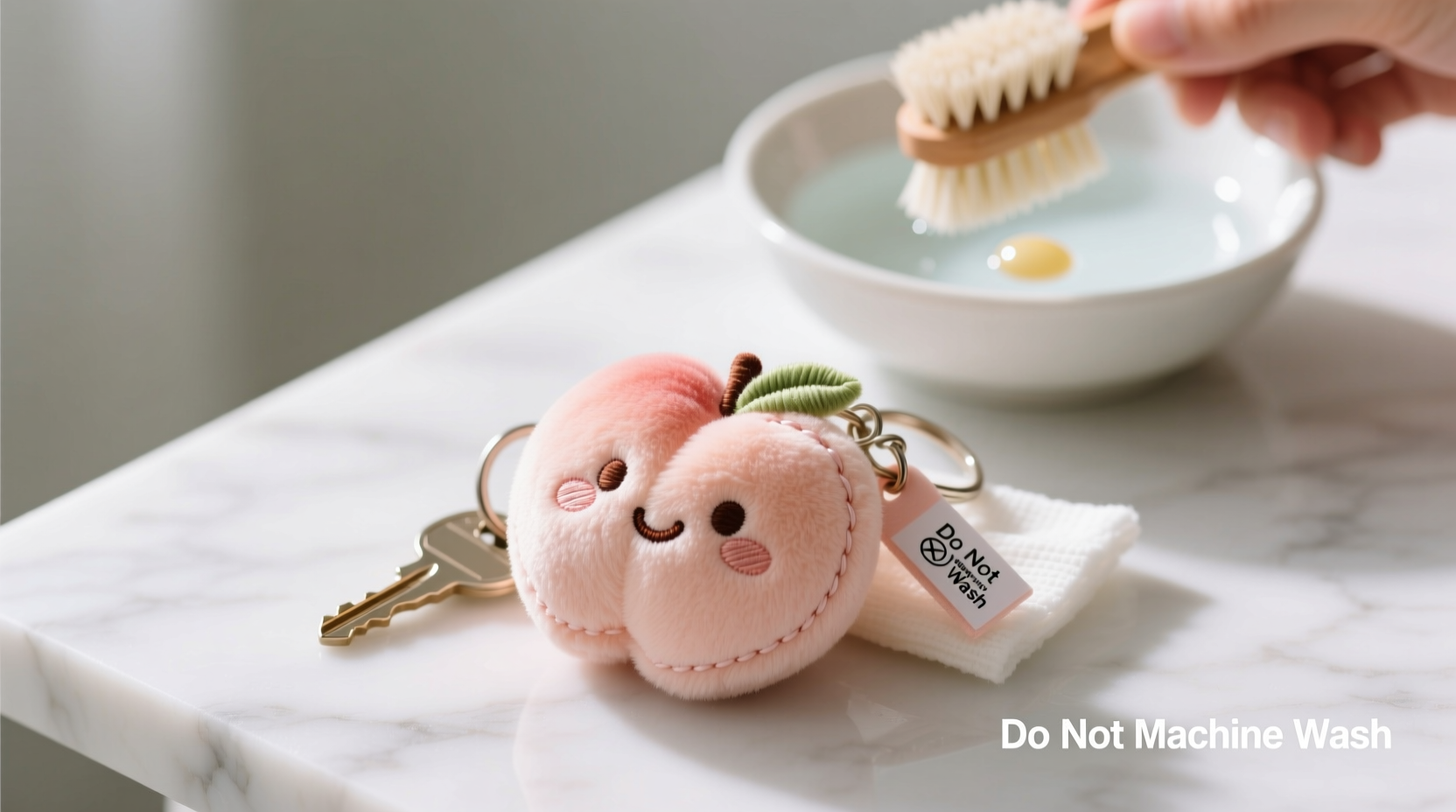
Plush materials, especially those designed to mimic the fuzzy skin of a peach, are typically made from short-pile polyester, microfiber, or chenille fabric. These textiles are engineered for softness but are vulnerable to abrasion, moisture retention, and chemical reactions. When exposed to strong detergents or excessive water, fibers can mat together, lose their fluff, or bleed color. Additionally, the small size and attachment hardware (like metal rings or plastic connectors) make them unsuitable for machine washing. Preserving the tactile quality and visual appeal requires a methodical, low-impact approach. Cleaning isn’t just about removing dirt—it’s about extending the emotional and aesthetic life of an object you value.
“Delicate plush items respond best to patience and precision. A light touch today prevents irreversible damage tomorrow.” — Lena Park, Textile Conservation Specialist
Step-by-Step Guide: Safe Hand-Cleaning Process
Cleaning your plush peach keychain by hand ensures maximum control and minimizes risk. Follow this detailed process to achieve optimal results:
- Inspect the keychain: Check for loose threads, weak seams, or signs of dye transfer. If the fabric feels brittle or has visible damage, proceed with extra caution or consider spot cleaning only.
- Remove surface debris: Use a soft-bristled clothes brush or clean toothbrush to gently lift dust and lint from the surface. Brush in the direction of the nap to avoid fiber distortion.
- Prepare a mild cleaning solution: Mix one teaspoon of pH-neutral liquid detergent (such as baby shampoo or wool wash) into one cup of lukewarm water. Avoid bleach, ammonia, or enzyme-based cleaners.
- Test on a hidden area: Dab a cotton swab soaked in the solution onto an inconspicuous part of the keychain (e.g., near the stitching). Wait five minutes. If no discoloration or texture change occurs, proceed.
- Spot clean with a microfiber cloth: Dip a corner of a clean microfiber cloth into the solution, wring it thoroughly until damp (not wet), and gently dab stained areas. Use circular motions for localized spots and light strokes for broader areas.
- Rinse lightly: Moisten another section of the cloth with plain water, wring well, and dab over cleaned areas to remove soap residue.
- Dry flat and away from heat: Lay the keychain on a dry towel in a well-ventilated room. Reshape it gently to maintain form. Never use a hairdryer, radiator, or direct sunlight, as these can cause shrinkage or fading.
- Fluff the pile after drying: Once fully dry (usually within 4–6 hours), use your fingers or a soft brush to gently lift the fibers and restore the peach-like fuzziness.
Do’s and Don’ts: Best Practices Summary
| Do’s | Don’ts |
|---|---|
| Use a soft microfiber cloth for cleaning | Use paper towels—they can leave lint and scratch fibers |
| Clean in a well-lit area to monitor progress | Submerge the entire keychain in water |
| Allow full air drying before reuse | Wash in a machine or dryer |
| Store in a breathable fabric pouch when not in use | Expose to perfume, hand sanitizer, or alcohol wipes |
| Brush gently to restore texture after drying | Scrub vigorously or twist the fabric |
Real Example: Reviving a Faded Peach Keychain
Sophie, a college student in Portland, received a peach plush keychain from her grandmother before moving away for school. Over nine months of daily use—attached to her backpack through rain, coffee spills, and dusty lecture halls—the once-vibrant keychain turned grayish and felt matted. After researching safe cleaning methods, she followed the hand-cleaning steps outlined above. She used baby shampoo, a soft makeup sponge, and allowed it to dry overnight on her windowsill (away from direct sun). To her delight, the color brightened significantly, and the fuzziness returned after gentle brushing. “I cried when I saw it looking almost new,” she said. “It’s not just a keychain—it’s a piece of home.” This case illustrates how proper care can restore both physical condition and emotional value.
Alternative Methods for Light Maintenance
Not every cleaning situation demands a full wash. For routine upkeep, gentler alternatives can extend time between deep cleans:
- Lint roller treatment: Roll gently over the surface to pick up pet hair, dust, and fibers without moisture.
- Steam refresh: Hold a garment steamer 6–8 inches away for 5–10 seconds to relax fibers and eliminate odors. Do not saturate.
- Fabric refresher spray: Use a hypoallergenic, alcohol-free product like Febreze Fabric on a nearby tissue, then let vapors freshen the keychain indirectly.
- Freezing for sanitization: Place the keychain in a sealed plastic bag and freeze overnight to kill bacteria and dust mites. Let it return to room temperature before handling.
FAQ: Common Questions About Plush Keychain Care
Can I use dish soap to clean my plush peach keychain?
No. While dish soap cuts grease, it’s formulated for hard surfaces and can strip natural oils from synthetic fibers, leading to stiffness and dullness. Stick to mild detergents designed for delicates or baby clothing.
What if my keychain gets wet in the rain?
If it becomes damp, blot excess moisture with a dry towel immediately. Let it air dry at room temperature, avoiding heat sources. Inspect afterward for staining or odor. If needed, perform a light spot clean once dry.
How often should I clean my plush keychain?
Every 4–6 weeks for regular users. If carried daily, a quick surface refresh every two weeks helps prevent buildup. Deep cleaning more than once every three months may weaken fibers over time.
Final Checklist for Safe Cleaning
- Pre-Cleaning
-
☐ Inspect for damage
☐ Test cleaning solution on a hidden area
☐ Remove loose debris with a soft brush - Cleaning Phase
-
☐ Use mild detergent and lukewarm water
☐ Dampen—not soak—a microfiber cloth
☐ Gently dab, don’t rub - Drying & Finishing
-
☐ Lay flat on a dry towel
☐ Keep away from sunlight and heat
☐ Fluff fibers once completely dry
Conclusion: Treat It with Care, Keep It Close
Your plush peach keychain may be small, but its significance often far outweighs its size. Whether it’s a gift, a lucky charm, or simply a joyful accent to your keys, treating it with mindful care preserves both its physical state and sentimental worth. By adopting gentle cleaning habits, avoiding common pitfalls, and responding promptly to soiling, you ensure it remains soft, vibrant, and intact for months—or even years—to come. The effort you invest reflects the value you place on the little things that bring comfort and character to daily life.




 浙公网安备
33010002000092号
浙公网安备
33010002000092号 浙B2-20120091-4
Comments
No comments yet. Why don't you start the discussion?