
Brooches are timeless accessories—elegant, expressive, and often sentimental. Whether passed down through generations or newly acquired, they add a refined touch to any outfit. However, attaching a brooch to delicate fabrics like silk, chiffon, lace, or fine wool presents a unique challenge. Traditional pin mechanisms can snag, tear, or distort fragile textiles, diminishing both the garment’s integrity and the accessory’s appeal. The solution lies not in avoiding brooches altogether, but in mastering gentle attachment methods that preserve fabric while ensuring security.
With thoughtful technique and the right tools, it’s entirely possible to wear cherished brooches on even the most delicate materials. This guide explores practical, tested approaches to safely fastening brooches, minimizing risk, and maintaining the beauty of both accessory and attire.
Understanding the Risks of Standard Brooch Pins
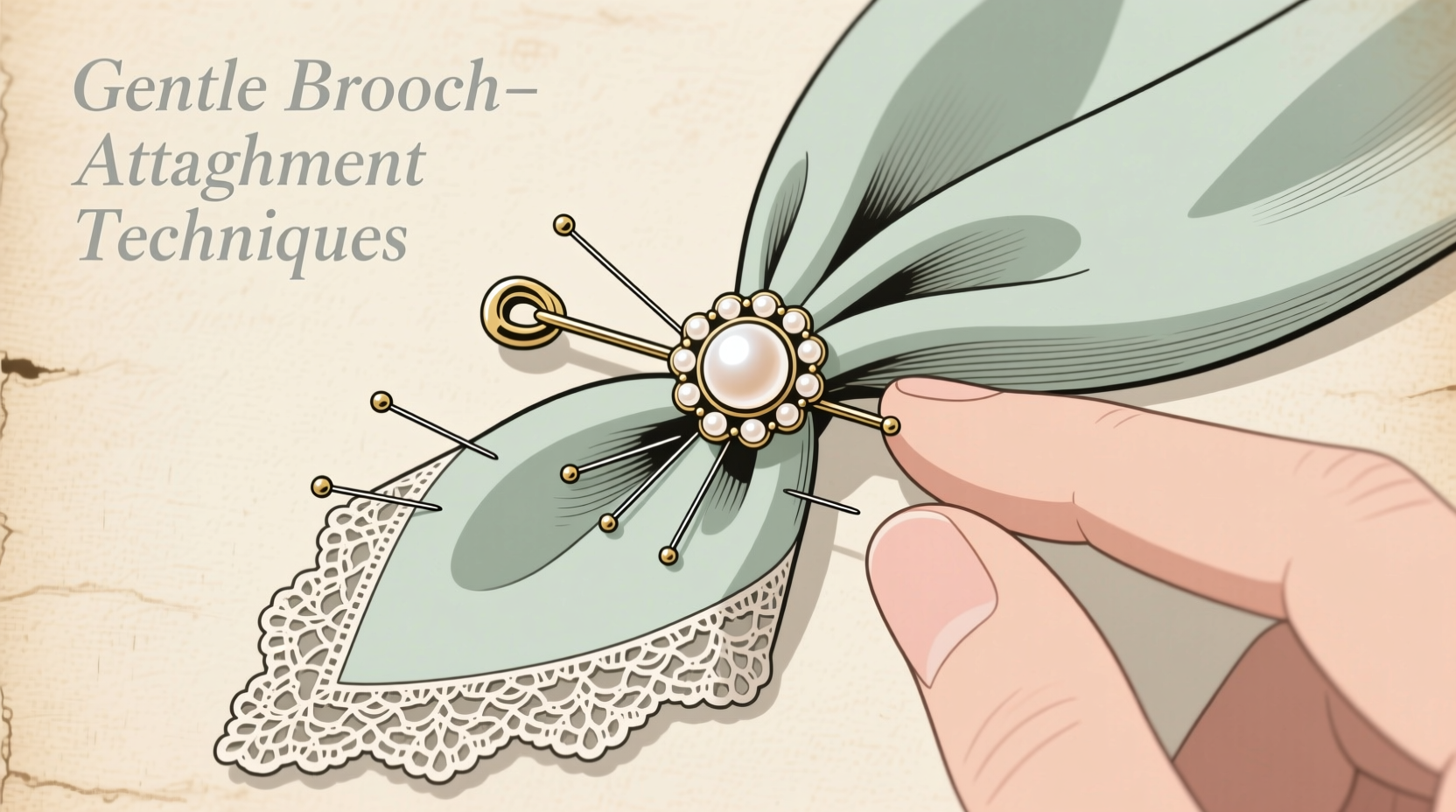
The typical brooch uses a sharp metal pin with a spring-loaded clasp (commonly known as a “butterfly clutch” or “pin back”). While effective for sturdy fabrics like wool or denim, this mechanism poses several risks when used on delicate materials:
- Fabric piercing: Thin silks and sheers can be easily torn by the pin’s point.
- Snagging: Loose weaves or embellished surfaces (like beaded lace) may catch on the pin or clasp.
- Distortion: Heavy brooches can pull fabric unevenly, creating stretched holes or misshapen areas.
- Residue and corrosion: Prolonged contact with metal can leave marks or cause oxidation on sensitive fibers.
Recognizing these risks is the first step toward safer alternatives. The goal isn’t to eliminate the use of brooches, but to adapt their application to suit fragile textiles.
Gentle Attachment Techniques for Delicate Fabrics
Safely securing a brooch doesn’t require compromising style or sentiment. Below are five reliable techniques tailored for fragile materials.
1. Use a Brooch Converter or Safety Pin Adapter
A brooch converter is a small device that replaces the standard pin stem with a safety pin hinge. It allows the brooch to be clipped onto fabric rather than pierced through it. These converters attach to the existing pin backing and provide a gentler hold.
To use:
- Remove the butterfly clutch from the brooch pin.
- Slide the converter onto the pin stem.
- Reattach the clutch to secure the converter in place.
- Open the safety pin portion and clip it through a folded section of fabric (such as a seam allowance).
This method distributes pressure more evenly and avoids direct puncturing.
2. Double-Sided Fabric Tape
High-quality, removable double-sided tape designed for textiles offers a temporary, no-puncture solution. Choose a hypoallergenic, residue-free version marketed for clothing or wigs.
Apply a small piece to the back of the brooch, press firmly onto the garment, and smooth out air bubbles. Ideal for lightweight brooches and short-term wear, such as events or photoshoots.
3. Sew-On Brooch Backings
For frequently worn brooches, consider sewing a fabric loop or padded backing to the garment. Attach a small loop of grosgrain ribbon or create a soft pouch using matching fabric. Slide the brooch pin through the loop instead of the garment itself.
This method requires minor tailoring but provides long-term protection. It’s especially useful for heirloom garments or bridal wear where preservation is critical.
4. Magnetic Brooch Holders
Magnetic clasps consist of two small, strong magnets placed on either side of the fabric. One attaches to the brooch, the other slides behind the material. They hold securely without piercing.
Choose nickel-free, fabric-safe magnets to prevent discoloration. Limit use to lightweight to medium-weight brooches and avoid very thin or loosely woven fabrics where magnet edges might press through.
5. Fabric Guard Patches
Reinforce the attachment area by placing a small patch of stabilizing fabric (like organza, felt, or interfacing) behind the intended brooch site. Hand-stitch the patch in place along the edges, then pin through both layers.
This adds durability and prevents the pin from pulling through. After use, remove the brooch while leaving the patch intact for future applications.
Comparison of Brooch Attachment Methods
| Method | Fabric Protection | Security | Best For | Limitations |
|---|---|---|---|---|
| Brooch Converter | High | Medium-High | Daily wear, medium-weight brooches | Requires modification of pin stem |
| Fabric Tape | High | Low-Medium | Short-term events, lightweight pieces | Adhesive residue risk; not reusable |
| Sew-On Loop | Very High | High | Heirloom garments, frequent use | Permanent alteration needed |
| Magnetic Holder | High | Medium | Delicate fabrics, quick changes | Not suitable for heavy brooches |
| Fabric Patch | Very High | High | Precious garments, structured fabrics | Requires sewing skill |
Expert Insight on Preserving Delicate Textiles
“Many people don’t realize that a single misplaced pin can compromise the structural integrity of silk or lace. Using indirect attachment methods isn’t just about convenience—it’s textile conservation.” — Dr. Lena Moreau, Textile Conservator at the Metropolitan Museum Costume Institute
Dr. Moreau emphasizes that historical garments in museum collections are never pinned directly. Instead, conservators use custom mounts, hidden loops, or magnetic systems to display accessories safely. These professional practices are accessible and adaptable for personal use.
Mini Case Study: Preserving a Vintage Wedding Veil
Clara inherited her grandmother’s 1950s wedding veil—a delicate Alençon lace trimmed with pearls. She wanted to wear it with her own wedding dress and attach a small family brooch near the crown. Direct pinning risked tearing the lace mesh.
Her solution: a combination of a sewn organza patch and a brooch converter. A conservator helped her apply a nearly invisible patch on the underside of the veil’s edge. Then, she used a converter to clip the brooch securely to the reinforced area.
The result was elegant and safe. The brooch stayed in place throughout the ceremony, and the veil remained undamaged—ready for future generations.
Checklist: Safe Brooch Attachment on Delicates
- ✅ Assess the fabric type and weight before choosing a method.
- ✅ Test the attachment technique on a hidden area.
- ✅ Use fabric protectors (patches, loops, or converters) to avoid direct piercing.
- ✅ Opt for lightweight solutions like tape or magnets for sheer materials.
- ✅ Avoid wearing brooches on delicate fabrics for extended periods.
- ✅ Store brooches separately to prevent accidental snagging.
- ✅ Inspect pins regularly for sharpness or corrosion.
Frequently Asked Questions
Can I wear a brooch on silk without damaging it?
Yes, but not with traditional pinning. Use a brooch converter, fabric tape, or a sewn loop to avoid piercing the silk. Always reinforce the attachment area if repeated use is expected.
Are magnetic brooch holders safe for all fabrics?
Most are safe for medium to delicate fabrics, but avoid using them on extremely thin or loosely woven materials where the magnet edges might press through and mark the surface. Ensure magnets are coated and corrosion-resistant.
How do I remove residue from fabric tape?
Gently dab the area with a cotton swab dipped in rubbing alcohol or a small amount of essential oil (like lavender). Test on an inconspicuous spot first. Avoid scrubbing to prevent fiber damage.
Final Thoughts: Wear Heirlooms with Confidence
Delicate fabrics deserve respect—not restriction. With the right techniques, you can proudly wear meaningful brooches without fear of damage. Whether you’re honoring tradition, making a fashion statement, or preserving family history, gentle attachment methods empower you to do so responsibly.




 浙公网安备
33010002000092号
浙公网安备
33010002000092号 浙B2-20120091-4
Comments
No comments yet. Why don't you start the discussion?