
Leather sneakers are a staple in modern wardrobes—sleek, durable, and effortlessly stylish. But no matter how careful you are, creasing is inevitable. Whether it’s from walking, improper storage, or simply breaking them in, those wrinkles can take away from their polished look. While some embrace creases as part of a shoe’s character, others want to restore that fresh-from-the-box appearance. The good news: you don’t need expensive tools or professional services to reduce or remove creases. With the right techniques and consistent care, you can significantly improve the look of your leather sneakers using household items and smart habits.
Why Leather Sneakers Crease—and When It Matters
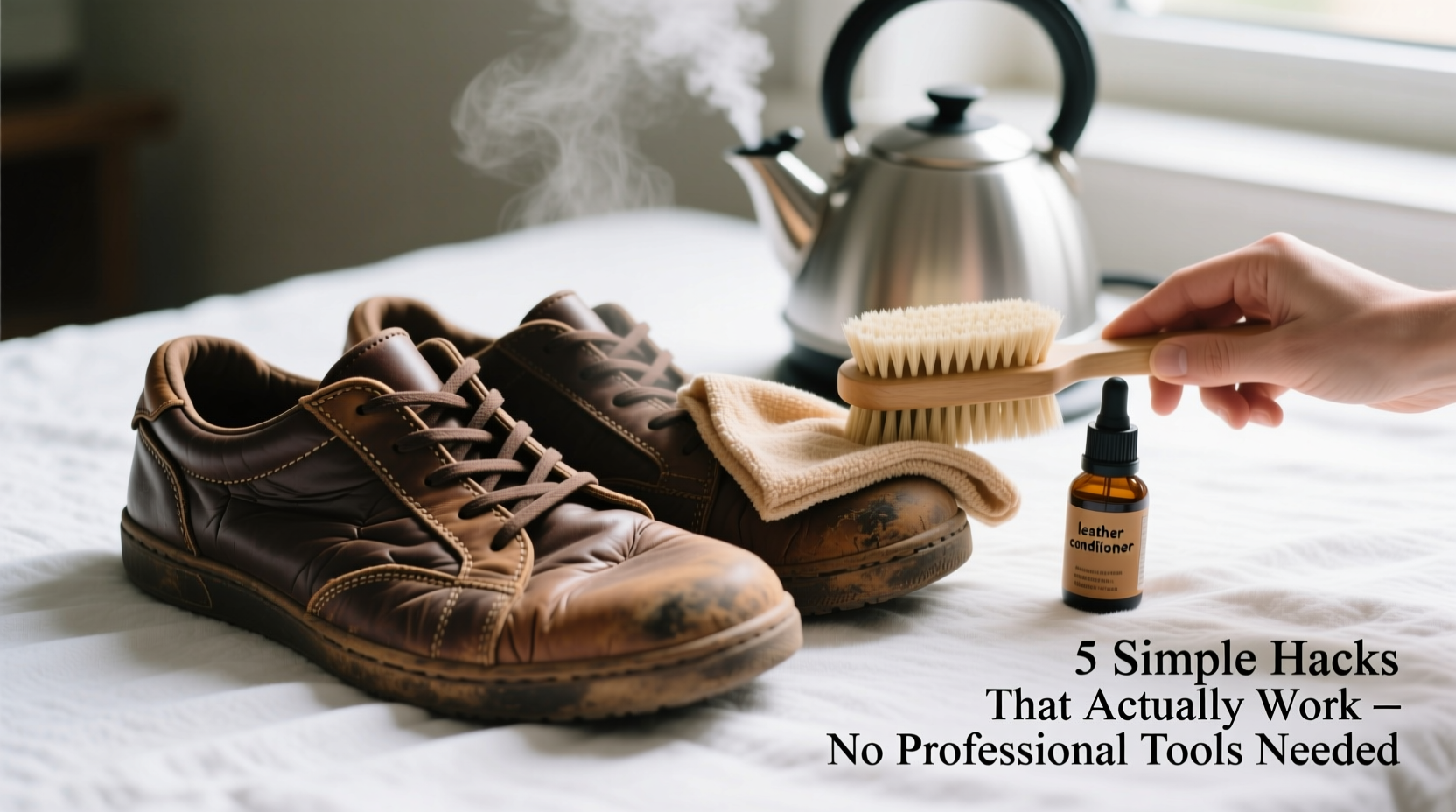
Creasing occurs naturally due to the flexibility of leather and the mechanics of walking. As your foot bends, the upper part of the sneaker folds at stress points—typically across the toe box and along the sides near the arch. Full-grain and top-grain leathers are more prone to visible creasing because they’re less coated and more breathable. While minor creasing doesn’t harm functionality, deep or clustered lines can make shoes appear worn prematurely.
For collectors, resellers, or anyone who values pristine aesthetics, minimizing creases is part of maintenance. However, aggressive attempts to eliminate all creases can damage leather. The goal isn’t perfection—it’s preservation and restoration with minimal risk.
“Leather is a natural material that moves with your foot. Aiming for zero creases is unrealistic—but managing them wisely extends both beauty and lifespan.” — Daniel Ruiz, Footwear Restoration Specialist
Effective Methods to Reduce and Remove Creases
Not all crease remedies are equal. Some popular tricks—like using a hairdryer on high heat—can dry out or crack leather. The safest approaches combine gentle moisture, controlled heat, and proper support. Below are five proven techniques that respect the integrity of the material while delivering visible results.
1. The Stuffing Method (Passive Smoothing)
This is the simplest preventive and corrective technique. Over time, stuffing sneakers with soft materials helps retain shape and gently stretch minor creases.
- After wearing, immediately insert acid-free tissue paper, shoe trees, or rolled-up cotton towels.
- Fill the toe box completely to apply outward pressure.
- Leave overnight or for 24 hours.
- Repeat after every wear for best results.
2. Damp Cloth + Heat (Steam-Like Treatment)
Mimicking professional steaming, this method uses moisture and low heat to relax leather fibers, allowing creases to settle back into place.
- Dampen a clean microfiber cloth with lukewarm water—wring thoroughly so it’s not dripping.
- Hold the cloth against the creased area for 30–60 seconds.
- Immediately use a hairdryer on low heat, held 6–8 inches away, to warm the leather gently.
- As the leather warms, use your fingers to smooth the area from center outward.
- Stuff the shoe and let it air-dry completely (never in direct sunlight).
This method works best on light to moderate creases. Repeat once weekly if needed, but never force the leather beyond its recovery point.
3. Leather Conditioner Massage
Dry leather is more likely to hold deep creases. Conditioning replenishes oils, increasing pliability and helping surface wrinkles relax.
- Choose a pH-balanced leather conditioner (avoid silicone-heavy products).
- Apply a pea-sized amount to a soft cloth and rub in circular motions over creased zones.
- Allow absorption for 15 minutes, then gently massage the area with fingertips.
- Follow with stuffing and leave for 8–12 hours.
Conditioning won’t erase deep folds, but it prevents further cracking and improves overall appearance. Use every 4–6 weeks for maintained suppleness.
4. Rice Method (Moisture-Based Expansion)
An old but effective trick, especially useful after exposure to moisture or heavy creasing.
- Cook unseasoned white rice until warm (not hot)—about 1 cup per shoe.
- Pour rice into a thin cotton sock or cheesecloth pouch.
- Insert the warm rice pack into the sneaker, focusing on the toe area.
- Let sit for 2–3 hours. The warmth and slight expansion of rice help push out creases.
- Remove and stuff with tissue to maintain shape during cooling.
The rice method is particularly useful for stubborn toe box wrinkles. The key is warmth—not heat—and patience. Never use boiling rice or leave it overnight, as excess moisture can promote mold.
5. Professional Shoe Stretcher with Bladder System
For frequent wearers or valuable sneakers, investing in an adjustable shoe stretcher offers long-term benefits. These devices use mechanical expansion to gently widen and straighten the upper.
Select models with inflatable bladders or multi-directional dials. Insert, adjust slowly over 6–12 hours, and monitor progress. This method works best when combined with conditioning and should be done sparingly—once every few months unless reshaping is needed.
Do’s and Don’ts: What to Avoid When Treating Leather Creases
Mistakes can turn a minor wrinkle into permanent damage. The following table outlines safe practices versus risky ones.
| Do’s | Don’ts |
|---|---|
| Use distilled water for damp cloths to avoid mineral stains | Never soak leather—excess water causes stiffening and discoloration |
| Apply heat gradually and from a distance | Avoid direct contact with hairdryers or irons—even on low settings |
| Condition leather regularly to maintain flexibility | Use household oils like coconut or olive oil—they clog pores and attract dirt |
| Store shoes with supports in a cool, dry place | Leave sneakers in car trunks or damp basements—heat and humidity warp leather |
| Test any product on a small hidden area first | Apply alcohol-based cleaners—they strip natural oils and cause brittleness |
Real Example: Restoring a Pair of Creased Adidas Stan Smiths
Mark, a graphic designer in Portland, wore his white leather Stan Smiths daily for three months. By winter, deep creases formed across the toe box, making them look aged. He avoided harsh treatments after reading online horror stories of cracked leather.
Instead, he followed a four-step routine over two weeks:
- He cleaned the uppers with a leather-safe wipe.
- Applied a cream conditioner every third day.
- Used the damp cloth + low-heat method twice, always letting shoes dry naturally.
- Left cedar shoe trees inside overnight.
Result: The most prominent creases softened by nearly 60%. While not invisible, the shoes looked revitalized and regained a cleaner silhouette. Mark now rotates his sneakers and conditions them monthly to prevent rapid wear.
Step-by-Step Weekly Maintenance Routine
Prevention is easier than correction. Follow this weekly schedule to keep creases under control:
- Day 1 – Clean & Inspect: Wipe down with a dry microfiber cloth. Check for dust, salt stains, or early crease formation.
- Day 3 – Condition (Monthly): If it’s been 3–4 weeks since last conditioning, apply a small amount of product and buff gently.
- Day 5 – Shape Reset: After wearing, stuff with tissue or shoe trees. For noticeable creases, use the damp cloth method.
- Day 7 – Storage Check: Ensure shoes are in a ventilated closet, away from windows or heaters. Swap stuffing if damp.
Consistency matters more than intensity. Gentle, regular care prevents the need for aggressive interventions later.
Frequently Asked Questions
Can I use an iron to remove creases from leather sneakers?
No. Household irons generate too much direct heat, which dehydrates and cracks leather. Even with a cloth barrier, the risk outweighs any benefit. Stick to indirect warmth from a hairdryer or warm compress.
Will creases come back after treatment?
Yes, especially in high-flex zones. Leather naturally folds where the foot bends. Treatments reduce visibility but don’t stop biomechanics. Regular stuffing and rotation slow re-creasing.
Are there leather types that resist creasing better?
Yes. Corrected-grain and patent leathers have protective coatings that minimize visible folding. However, they lack breathability and can feel stiffer. Full-grain develops character over time but shows creases earlier. Choose based on your priorities: durability vs. aesthetics.
Essential Checklist for Crease Management
Keep this checklist handy for quick reference:
- ✅ Clean sneakers weekly with a dry or slightly damp cloth
- ✅ Use shoe trees or stuffing after every wear
- ✅ Apply leather conditioner every 4–6 weeks
- ✅ Address new creases early with moisture and gentle heat
- ✅ Store in a cool, dry place away from sunlight
- ✅ Avoid overloading or forcing shoes during wear
- ✅ Rotate between multiple pairs to extend recovery time
Final Thoughts: Care Is Part of Style
Creases don’t mean failure—they’re a sign of use, movement, and life. But knowing how to manage them empowers you to control the narrative of your footwear’s aging process. The methods outlined here aren’t about erasing history; they’re about preserving quality and intentionality. Whether you’re protecting a limited-edition release or just want your everyday kicks to look sharp, small habits make a lasting difference.
You don’t need a full toolkit or technical expertise. A cloth, some tissue paper, and a bit of attention are often enough. The real secret isn’t a hack—it’s consistency. Tend to your sneakers like you would a favorite jacket or bag, and they’ll return the favor with longevity and presence.




 浙公网安备
33010002000092号
浙公网安备
33010002000092号 浙B2-20120091-4
Comments
No comments yet. Why don't you start the discussion?