
In recent years, grain-free dog food has surged in popularity. Marketed as a more natural, ancestral diet for canines, these formulas often feature peas, lentils, potatoes, and other legumes instead of corn, wheat, or rice. But a growing concern has emerged: could grain-free diets be linked to canine dilated cardiomyopathy (DCM), a serious heart condition? The U.S. Food and Drug Administration (FDA) launched an investigation into this very question, sparking debate among pet owners, veterinarians, and pet food manufacturers. Is grain-free dog food truly dangerous, or is the connection overblown? Let’s explore the evidence, unpack the science, and clarify what dog owners really need to know.
The Rise of Grain-Free Dog Food
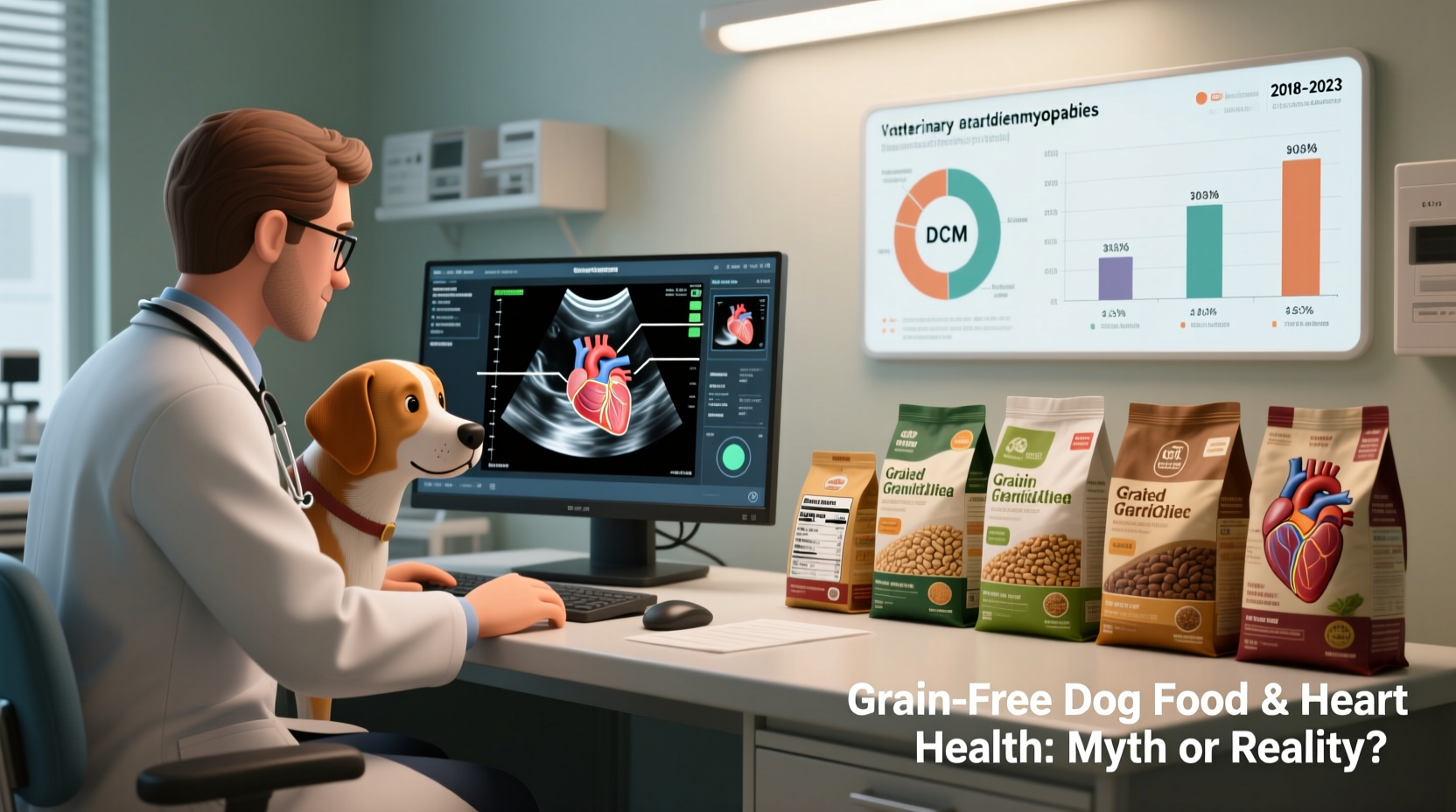
Grain-free diets gained traction in the 2010s, largely influenced by human dietary trends like paleo and gluten-free lifestyles. Pet food companies began positioning grain-free kibble and canned foods as premium, healthier alternatives—closer to what wolves might eat in the wild. Many owners embraced these diets, especially if their dogs had skin irritations, allergies, or digestive sensitivities they believed were tied to grains.
However, most commercial dog foods—even those containing grains—are nutritionally balanced and safe. Dogs are omnivores with the ability to digest carbohydrates efficiently. Grains like rice, barley, and oats provide valuable energy, fiber, and essential nutrients. Removing them isn’t inherently better unless a dog has a diagnosed grain allergy, which is rare.
What Is Dilated Cardiomyopathy (DCM)?
Dilated cardiomyopathy is a disease of the heart muscle that leads to weakened contractions and enlarged heart chambers. As the heart loses its ability to pump blood effectively, dogs may develop congestive heart failure. Symptoms include lethargy, coughing, difficulty breathing, fainting, and fluid buildup in the abdomen or lungs.
DCM has long been recognized in certain breeds, particularly large and giant breeds like Doberman Pinschers, Great Danes, Irish Wolfhounds, and Boxers. These cases are typically genetic. However, starting around 2014, veterinarians began noticing an uptick in DCM cases in breeds not traditionally predisposed—such as Golden Retrievers, Labrador Retrievers, and even smaller breeds—all of which were eating grain-free diets.
“Over the past decade, we’ve seen an alarming number of non-genetic DCM cases in otherwise healthy dogs on boutique or grain-free diets.” — Dr. Lisa Freeman, Tufts University Clinical Nutritionist
The FDA Investigation and Key Findings
In July 2018, the FDA announced an investigation into a potential link between grain-free diets and DCM. By June 2023, the agency had collected over 1,100 case reports involving dogs with DCM and dietary histories featuring grain-free formulas, many of which included high levels of legumes and potatoes.
The common thread among many of these diets was the use of so-called “BEG” ingredients: Boutique brands, Exotic ingredients, and Grain-free formulations. While the FDA stopped short of declaring a definitive causal relationship, the data showed a strong statistical association.
A key focus of the investigation was taurine, an amino acid critical for heart function. Some dogs with diet-associated DCM were found to have low blood taurine levels. Taurine is naturally occurring in animal proteins, but plant-based ingredients like legumes contain less bioavailable forms. In some dogs, especially those with underlying metabolic differences, this may lead to deficiency—even if the food meets minimum AAFCO nutrient profiles.
Are Grain-Free Diets Directly Causing Heart Disease?
The answer isn't a simple yes or no. Current evidence suggests that grain-free diets are not universally dangerous, but they may pose risks under specific circumstances. The issue appears less about the absence of grains and more about what replaces them—and how those ingredients affect nutrient bioavailability.
Many grain-free formulas substitute grains with legumes (peas, lentils, chickpeas) and potatoes, which can alter the amino acid profile of the food. While these ingredients aren’t inherently harmful, they may interfere with taurine synthesis or absorption in some dogs. Additionally, processing methods, ingredient sourcing, and overall diet formulation play crucial roles.
It's also important to note that not all dogs on grain-free diets develop heart issues. Individual factors such as genetics, age, size, gut microbiome, and pre-existing health conditions likely influence susceptibility. For example, a young Bulldog eating a legume-heavy grain-free diet may be at higher risk than a senior Poodle on a grain-inclusive formula.
The FDA emphasizes that correlation does not equal causation. However, the sheer volume of cases and the consistent dietary pattern warrant caution. As of now, the scientific consensus leans toward “diet-associated DCM” rather than “grain-free causes DCM,” highlighting the complexity of pet nutrition.
Key Factors in Diet-Associated DCM
- High legume content: Peas, lentils, and beans dominate many grain-free recipes, potentially affecting amino acid balance.
- Taurine deficiency: Some dogs cannot synthesize enough taurine from plant-based precursors.
- Poor protein quality: Low animal protein or highly processed sources reduce taurine availability.
- Boutique brands: Smaller companies may lack rigorous nutritional testing and quality control.
- Dietary formulation gaps: Even AAFCO-compliant foods may miss subtle nutrient interactions.
Expert Insights and Ongoing Research
Veterinary nutritionists stress that pet food regulation in the U.S. is relatively loose compared to human food standards. Companies can formulate diets based on nutrient profiles without mandatory feeding trials. This means a food can technically meet nutritional guidelines while still failing to support long-term health in real-world conditions.
“We’re learning that meeting minimum nutrient requirements doesn’t guarantee optimal health. Bioavailability, ingredient interactions, and individual metabolism matter just as much.” — Dr. Joseph Wakshlag, Cornell University Veterinary Medicine
Research continues at institutions like Tufts, UC Davis, and Kansas State University. Preliminary findings suggest that reformulating diets—by reducing legumes and increasing animal protein—can reverse DCM in some dogs when caught early. This offers hope but also underscores the seriousness of the issue.
What Should Dog Owners Do?
If you’re feeding your dog a grain-free diet, don’t panic—but do take proactive steps. Most dogs won’t develop DCM from these foods, but vigilance is key. Here’s a practical checklist to assess and improve your dog’s dietary safety:
📋 DCM Risk Assessment Checklist
- Review your dog food label: Does it list peas, lentils, or potatoes in the top three ingredients?
- Check the brand: Is it a boutique or small manufacturer without veterinary nutritionists on staff?
- Consult your vet: Request a cardiac screening if your dog shows signs of fatigue, coughing, or breathing issues.
- Test taurine levels: Especially if your dog is on a legume-heavy diet.
- Consider switching: Transition to a reputable, grain-inclusive brand with high animal protein content.
- Monitor changes: Track energy levels, appetite, and any new symptoms after diet changes.
Real-Life Example: Max the Golden Retriever
Max, a 5-year-old Golden Retriever, was active and healthy until he began lagging on walks and occasionally collapsing after play. His owner, Sarah, fed him a popular grain-free brand promoted as “natural” and “high-protein.” A visit to the vet revealed an enlarged heart and low taurine levels. After switching Max to a grain-inclusive, vet-recommended diet and supplementing taurine, his heart function improved significantly within four months. Follow-up echocardiograms showed reduced chamber size and stronger contractions.
Max’s case illustrates that diet-associated DCM can be reversible—if caught early. It also highlights the danger of assuming that “natural” or “grain-free” automatically means healthier.
Comparing Grain-Free vs. Grain-Inclusive Diets
| Factor | Grain-Free Diets | Grain-Inclusive Diets |
|---|---|---|
| Primary Carbohydrate Sources | Peas, lentils, potatoes, tapioca | Rice, barley, oats, corn |
| Taurine Bioavailability | Often lower due to plant-based ingredients | Generally higher with balanced animal proteins |
| Association with DCM | Higher in FDA reports (especially BEG diets) | Rare, mostly in genetically predisposed breeds |
| Nutritional Oversight | Variable; many boutique brands lack research | Typically backed by larger companies with feeding trials |
| Cost | Often higher due to marketing | Wide range, including affordable premium options |
Frequently Asked Questions
Can grain-free dog food be safe?
Yes, some grain-free diets are well-formulated and safe, especially those developed with veterinary input and proper nutrient balancing. However, due to the FDA’s findings, extra caution is warranted. Look for brands that avoid excessive legumes and prioritize animal-based proteins.
Should I stop feeding grain-free food altogether?
Not necessarily. If your dog has a diagnosed grain allergy (rare) or a medical condition requiring a specialized diet, work with your vet to find a safe alternative. For most dogs, though, there’s no benefit to avoiding grains, and doing so may introduce unnecessary risk.
How quickly can DCM develop from diet?
There’s no set timeline. Cases have appeared after months or years on a grain-free diet. Early detection is critical. Annual vet checkups, including listening to the heart, can help catch problems before they become severe.
Step-by-Step Guide: Safely Transitioning Your Dog’s Diet
If you decide to switch from grain-free to a safer alternative, follow this gradual process to avoid digestive upset:
- Week 1, Days 1–2: Mix 75% old food with 25% new food.
- Days 3–4: Use a 50/50 blend.
- Days 5–7: Shift to 25% old food, 75% new.
- Week 2: Feed 100% new food.
- Monitor closely: Watch for vomiting, diarrhea, or lethargy. Pause the transition if issues arise.
- Schedule a vet check: Especially if your dog has existing health concerns.
Conclusion: Knowledge Is Power
The idea that grain-free dog food causes heart issues isn’t a myth—it’s a legitimate concern supported by veterinary evidence and regulatory scrutiny. However, it’s also not a universal rule. The real issue lies in formulation, ingredient quality, and individual dog biology. Responsible pet ownership means looking beyond marketing claims and understanding what’s truly in your dog’s bowl.
You don’t need to abandon grain-free food entirely, but you should make informed choices. Read labels, consult your veterinarian, and prioritize science over trends. Your dog’s heart depends on it.




 浙公网安备
33010002000092号
浙公网安备
33010002000092号 浙B2-20120091-4
Comments
No comments yet. Why don't you start the discussion?