
In recent years, grain free dog food has surged in popularity, marketed as a more natural, ancestral diet for canines. Many pet owners have switched their dogs to grain free formulas believing they offer better digestion, fewer allergies, and improved energy. However, a growing concern has emerged: could grain free diets be linked to dilated cardiomyopathy (DCM), a serious heart condition? The debate between grain free and grain inclusive dog food has intensified, with regulatory agencies, veterinarians, and pet food companies weighing in. This article examines the scientific evidence, explores the origins of the controversy, and helps you make an informed decision about what’s truly best for your dog’s long-term health.
The Rise of Grain Free Diets and the Emergence of Concerns
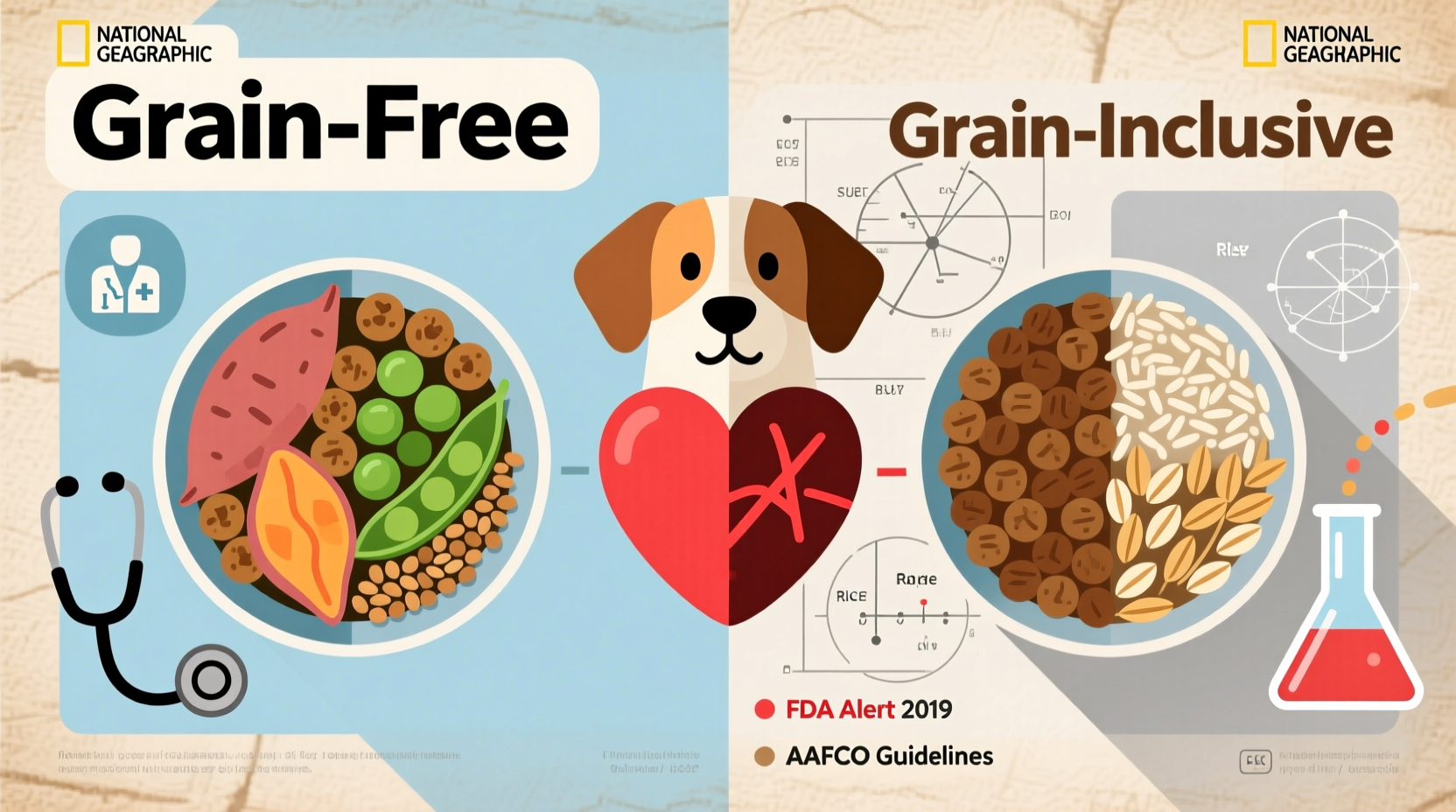
Grain free dog foods became mainstream in the early 2010s, driven by human dietary trends like paleo and gluten-free lifestyles. Pet food manufacturers responded by replacing grains—such as corn, wheat, and rice—with alternative carbohydrate sources like peas, lentils, potatoes, and chickpeas. These ingredients were positioned as “cleaner” and more species-appropriate, despite dogs being omnivores capable of digesting grains efficiently.
The shift gained momentum until 2018, when the U.S. Food and Drug Administration (FDA) began investigating a potential link between certain grain free diets and DCM. By July 2019, the FDA released a report identifying over 500 cases of DCM in dogs eating grain free foods, many of which contained high levels of legumes and potatoes. Notably, these cases often involved breeds not genetically predisposed to DCM, such as golden retrievers and Labradors.
This raised alarms across the veterinary community. Could a widely consumed commercial diet be contributing to heart disease in otherwise healthy dogs?
Understanding Dilated Cardiomyopathy (DCM) in Dogs
Dilated cardiomyopathy is a condition where the heart muscle weakens and the chambers enlarge, reducing the heart’s ability to pump blood effectively. Left untreated, it can lead to congestive heart failure and sudden death. While some breeds—like Doberman pinschers, boxers, and Great Danes—have a known genetic predisposition to DCM, the recent spike in cases among non-susceptible breeds suggests environmental or dietary factors may play a role.
One key hypothesis centers on taurine, an amino acid essential for heart function. Taurine deficiency has been directly linked to DCM in both cats and dogs. While most dogs synthesize taurine from other amino acids (methionine and cysteine), some may have impaired production due to genetics, gut health, or diet composition.
Critically, many grain free diets are high in legumes and pulses, which may interfere with taurine metabolism or reduce its bioavailability. Additionally, these diets often use exotic proteins like kangaroo or lamb, which may be lower in taurine precursors compared to conventional meats like chicken or beef.
“While not all dogs on grain free diets develop DCM, the pattern we’re seeing warrants caution—especially in breeds not historically at risk.” — Dr. Lisa Freeman, Tufts University, Board-Certified Veterinary Nutritionist
Grain Free vs Grain Inclusive: A Nutritional Comparison
To assess the heart health risk, it’s important to compare the core differences between grain free and grain inclusive diets beyond just the presence or absence of grains.
| Feature | Grain Free Diets | Grain Inclusive Diets |
|---|---|---|
| Primary Carbohydrate Sources | Peas, lentils, potatoes, tapioca, chickpeas | Rice, oats, barley, corn, wheat |
| Protein Sources | Often exotic (kangaroo, bison), high-meat focus | Common meats (chicken, beef, turkey), moderate inclusion |
| Taurine & Precursors | Potentially lower due to legume interference | Generally adequate in balanced formulations |
| Fiber Content | High from legumes | Moderate to high from whole grains |
| Glycemic Index | Variable; potato-based diets can be high | Generally lower with whole grains |
| AAFCO Compliance | Most meet standards, but nutrient bioavailability varies | Widely tested and proven formulations |
It's important to note that grains themselves are not the problem. Whole grains like brown rice and oats provide fiber, B vitamins, and complex carbohydrates that support sustained energy and gut health. The issue lies not in grains per se, but in what replaces them—and how those substitutes affect nutrient absorption and metabolic pathways.
Evaluating the Evidence: Is the Risk Real?
The FDA’s investigation remains ongoing, and no definitive causal link has been established between grain free diets and DCM. However, several peer-reviewed studies and clinical observations suggest a strong association:
- A 2021 study published in Frontiers in Veterinary Science found that dogs diagnosed with diet-associated DCM showed improvement after switching to grain inclusive diets and supplementing with taurine.
- Veterinary cardiologists have reported clusters of DCM cases tied to specific brands using >30% legumes in their formulations.
- Blood tests from affected dogs frequently reveal low plasma taurine levels, even when eating sufficient protein.
Still, critics argue that the evidence is circumstantial. Correlation does not equal causation. Other variables—such as individual dog metabolism, breed-specific sensitivities, or poor-quality ingredients—may contribute. Moreover, not all grain free diets carry the same risk; some use minimal legumes and include taurine supplementation.
The truth likely lies in the middle: grain free diets are not universally dangerous, but certain formulations—particularly those heavy in legumes and lacking in animal-based proteins—pose a measurable risk for some dogs.
Mini Case Study: Max, the Golden Retriever
Max, a 5-year-old golden retriever, was fed a popular grain free kibble made with lamb, peas, and potatoes. Over six months, his owner noticed he was tiring easily on walks and had episodes of fainting. A visit to the vet revealed an enlarged heart and reduced ejection fraction—signs of DCM. Blood work showed critically low taurine levels.
Max was immediately switched to a grain inclusive, taurine-fortified diet and prescribed taurine supplements. Within four months, follow-up echocardiograms showed significant improvement in heart function. His energy returned, and he regained normal activity levels. His case highlights how diet can influence cardiac health—even in breeds not genetically prone to heart disease.
How to Choose a Safer Diet for Your Dog
Choosing the right food requires looking beyond marketing labels. Here’s a step-by-step guide to help you evaluate options safely:
- Read the ingredient list carefully. Look for named animal proteins (e.g., “chicken meal”) listed first. Avoid foods where legumes (peas, lentils, chickpeas) appear multiple times in the top five ingredients.
- Check for taurine supplementation. Some brands now add taurine directly to compensate for potential deficiencies. This is especially important if feeding grain free.
- Consider your dog’s breed and health history. Breeds like Cocker spaniels or Newfoundland dogs are naturally prone to taurine deficiency. Consult your vet before starting a grain free diet.
- Opt for AAFCO-compliant foods with feeding trials. Foods labeled “formulated to meet AAFCO nutrient profiles” are more reliable than those based solely on formulation.
- Monitor your dog’s health. Schedule annual blood panels, including taurine levels, if your dog is on a grain free diet.
Checklist: Assessing Your Dog’s Current Food
- ☐ Are the first three ingredients animal-based proteins?
- ☐ Are peas, lentils, or potatoes listed in the top five ingredients?
- ☐ Does the label mention taurine or taurine supplementation?
- ☐ Is the food AAFCO-compliant with feeding trial validation?
- ☐ Has your dog had a recent cardiac or taurine level check?
- ☐ Have you noticed signs of lethargy, coughing, or breathing difficulty?
Frequently Asked Questions
Can grain free dog food cause heart problems?
There is no conclusive proof that grain free food directly causes heart disease, but strong evidence links certain grain free formulations—especially those high in legumes and low in taurine—to an increased risk of diet-associated DCM. The risk appears higher in specific breeds and depends heavily on the food’s formulation.
Are grains bad for dogs?
No, grains are not inherently bad. Most dogs digest grains well, and whole grains provide valuable nutrients like fiber, antioxidants, and complex carbohydrates. Grain allergies are rare—far less common than protein allergies. Eliminating grains is unnecessary for most dogs unless diagnosed with a specific sensitivity.
Should I switch my dog from grain free to grain inclusive food?
If your dog is healthy, active, and shows no symptoms, an abrupt change isn’t urgent. However, if your current food relies heavily on legumes or potatoes, consider transitioning to a more balanced formula. Always consult your veterinarian before making dietary changes, especially if your dog has existing health conditions.
Conclusion: Making an Informed Choice for Long-Term Health
The debate over grain free versus grain inclusive dog food isn't about dogma—it's about science, safety, and responsible pet ownership. While grain free diets aren't automatically dangerous, the growing body of evidence suggests that some formulations may compromise heart health, particularly through taurine disruption. The risk may be overstated in media headlines, but it’s far from imaginary.
What matters most is not whether a food contains grains, but whether it provides complete, bioavailable nutrition tailored to your dog’s needs. Prioritize transparency, ingredient quality, and veterinary guidance over trendy labels. Your dog’s heart doesn’t care about marketing—it cares about what’s in the bowl.




 浙公网安备
33010002000092号
浙公网安备
33010002000092号 浙B2-20120091-4
Comments
No comments yet. Why don't you start the discussion?