
Ground ginger is a pantry staple that brings warmth, spice, and depth to both sweet and savory dishes. Found in spice racks across the globe, this golden-brown powder plays a pivotal role in cuisines from Caribbean jerk seasoning to Scandinavian ginger cookies. While fresh ginger root offers a bright, pungent bite, ground ginger delivers a more concentrated, earthy heat with subtle citrus and woody notes. Understanding how it’s produced, how its flavor differs from fresh ginger, and when to use it can elevate your cooking from routine to refined. This guide explores the science, culinary applications, and nutritional profile of ground ginger—offering practical insights for home cooks and seasoned chefs alike.
Definition & Overview
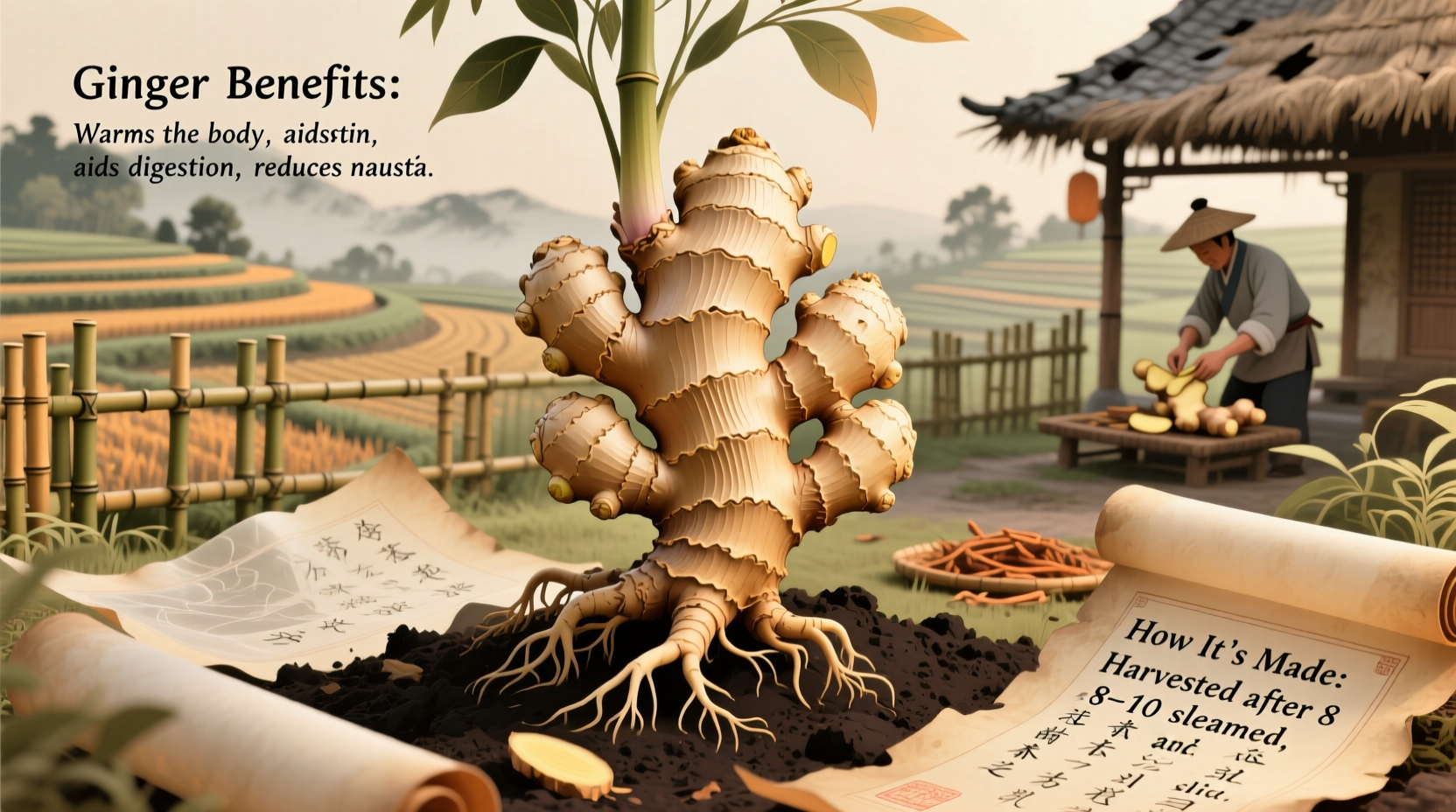
Ground ginger is a dried and finely milled form of the rhizome *Zingiber officinale*, the same plant that produces fresh ginger root. The process begins with harvesting mature ginger roots, which are then washed, peeled, sliced, and dehydrated. Once fully dried, the fibrous pieces are ground into a fine powder. Unlike fresh ginger, which contains up to 80% water, ground ginger is a shelf-stable concentrate of flavor and bioactive compounds, making it ideal for long-term storage and precise measurement in recipes.
The use of dried, powdered ginger dates back thousands of years. Historical records show its presence in ancient Chinese, Indian (Ayurvedic), and Middle Eastern medicine as early as 500 BCE. By the 9th century, it had become a prized commodity along the Silk Road, valued not only for flavor but also for its digestive and anti-inflammatory properties. Today, major producers include India, Nigeria, China, and Indonesia, where warm, humid climates support large-scale ginger cultivation.
Key Characteristics
| Attribute | Description |
|---|---|
| Flavor Profile | Warm, slightly sweet, with sharp, peppery undertones; less bright than fresh ginger, more earthy and concentrated. |
| Aroma | Dry, spicy, faintly citrusy; becomes more intense when heated. |
| Color | Light to medium tan or golden brown; darkens slightly over time. |
| Heat Level | Moderate—less fiery than fresh ginger but more persistent on the palate. |
| Culinary Function | Flavor enhancer, leavening aid (in baking), preservative, colorant. |
| Shelf Life | 2–3 years when stored properly; loses potency over time but remains safe to consume. |
How Ground Ginger Is Made
The transformation from fresh rhizome to powdered spice involves several carefully controlled steps:
- Harvesting: Mature ginger roots (typically 8–10 months old) are pulled from the soil. Older roots yield higher concentrations of essential oils and oleoresins, enhancing flavor intensity.
- Washing & Peeling: Roots are scrubbed thoroughly to remove soil and debris. Mechanical peelers or abrasive brushes strip away the outer skin.
- Slicing: The cleaned rhizomes are cut into thin, uniform slices (about 3–5 mm thick) to ensure even drying.
- Drying: Slices are dried using one of three methods:
- Sun-drying: Traditional method used in small farms; slow and weather-dependent.
- Hot air drying: Industrial standard; faster and more consistent at 60–70°C (140–160°F).
- Vacuum drying: Preserves volatile compounds better but is cost-prohibitive for mass production.
- Grinding: Dried slices are milled into a fine powder using hammer mills or stone grinders. The fineness affects solubility and dispersion in food.
- Screening & Packaging: Powder is sifted to remove coarse particles, tested for microbial load and moisture content (<8%), then sealed in airtight containers to prevent oxidation.
High-quality ground ginger should pass through a 40-mesh sieve (meaning particles are smaller than 0.42 mm), ensuring smooth integration into batters, doughs, and sauces without grittiness.
Practical Usage in Cooking
Ground ginger shines in recipes where even distribution and consistent flavor are critical. Its solubility in fats and liquids makes it ideal for dry rubs, marinades, baked goods, and spiced beverages.
Baking Applications
In baking, ground ginger is irreplaceable. It reacts with acidic ingredients like molasses, honey, or buttermilk to enhance leavening when paired with baking soda. This chemical interaction produces carbon dioxide, giving gingerbread, snickerdoodles, and spice cakes their characteristic rise and open crumb structure.
A classic American gingerbread recipe typically calls for 1 to 1.5 teaspoons of ground ginger per cup of flour. For deeper flavor, toast the spice briefly in a dry pan before incorporating—this unlocks hidden terpenes and reduces any musty notes from prolonged storage.
Savory Dishes & Global Cuisines
While often associated with sweets, ground ginger plays a crucial role in savory cooking:
- Curries & Stews: In Indian and West African cuisine, it’s part of foundational spice blends like garam masala and suya spice. Use ½ to 1 teaspoon per quart of stew to build background warmth without overpowering.
- Meat Rubs: Combined with garlic powder, paprika, and black pepper, it enhances grilled chicken, lamb, or pork. A 3:1 ratio of paprika to ground ginger creates a balanced rub for jerk-style dishes.
- Vegetable Dishes: Toss roasted carrots or squash with olive oil, salt, and ¼ teaspoon ground ginger for an aromatic side dish.
- Preserves: Added to chutneys and pickling brines, it acts as both flavorant and natural preservative due to its antimicrobial properties.
Pro Tip: When substituting ground ginger for fresh, use ¼ teaspoon of ground ginger for every tablespoon of fresh grated ginger. Remember: ground ginger lacks the juicy brightness of fresh, so consider adding a splash of lemon juice or vinegar to balance the flavor profile.
Variants & Types
Not all ground ginger is created equal. Differences in processing, origin, and particle size affect performance and taste.
| Type | Description | Best Used For |
|---|---|---|
| Standard Ground Ginger | Commercially processed from mature roots; widely available in supermarkets. | General baking, spice blends, everyday cooking. |
| Fine-Powder Organic Ginger | Certified organic, often stone-ground; retains more essential oils. | Health-focused recipes, raw desserts, herbal teas. |
| Extra-Strong (High-Oleoresin) Ginger | Concentrated form with elevated levels of gingerol and shogaol; darker color, sharper taste. | Medicinal preparations, potent spice mixes, therapeutic syrups. |
| Blended Spice Mixes Containing Ginger | Includes pumpkin pie spice, allspice blends, and chai masala—often combined with cinnamon, nutmeg, and cloves. | Beverages, holiday baking, warming drinks. |
For maximum freshness, consider grinding your own from dried ginger root using a dedicated spice grinder. Whole dried ginger can be found in Asian markets or online and retains potency longer than pre-ground versions.
Comparison with Similar Ingredients
Ground ginger is frequently confused with other spices, especially given overlapping uses in baking and wellness contexts. Here’s how it differs:
| Ingredient | Flavor Difference | Culinary Role | Substitution Ratio |
|---|---|---|---|
| Fresh Ginger Root | Brighter, juicier, more pungent with a cooling finish. | Stir-fries, fresh salsas, juices, marinades. | 1 tbsp fresh = ¼ tsp ground |
| Ginger Syrup | Sweet, diluted, with caramelized notes. | Cocktails, glazes, dessert toppings. | Not directly interchangeable |
| Allspice | Complex blend of clove, nutmeg, and cinnamon notes; less spicy. | Jamaican jerk, mulled wine, meat seasonings. | Poor substitute—use only in blends |
| Galangal Powder | Sharper, pine-like, more medicinal; common in Thai cuisine. | Curries, soups, herbal tonics. | Not interchangeable |
“Many home bakers reach for ground ginger out of habit, but understanding its chemistry—how it interacts with acid and fat—can transform a flat cookie into something with real dimension.” — Chef Lena Tran, Culinary Instructor at Pacific Institute of Baking
Nutritional Benefits & Health Considerations
Ground ginger retains many of the bioactive compounds found in fresh ginger, albeit in more concentrated form due to water removal. Key constituents include:
- Gingerol: Anti-inflammatory and antioxidant compound; converts to shogaol during drying, which is even more potent.
- Shogaol: Exhibits neuroprotective effects and may help reduce nausea and muscle pain.
- Zingerone: Contributes to the sweet-spicy aroma and has demonstrated antimicrobial activity.
Studies suggest that consuming as little as 1 gram (about ½ teaspoon) of ground ginger daily may help alleviate nausea (especially morning sickness and motion sickness), reduce osteoarthritis pain, and modestly lower blood sugar in people with type 2 diabetes.
However, caution is advised for individuals on blood-thinning medications (e.g., warfarin), as high doses (>4 grams/day) may increase bleeding risk. Pregnant women should consult a healthcare provider before using medicinal amounts, though culinary use is generally considered safe.
Practical Tips & FAQs
How should I store ground ginger?
Keep in an airtight glass container away from heat, light, and moisture—ideally in a cool, dark cupboard. Avoid storing near the stove or dishwasher. Properly stored, it retains full flavor for 2 years.
How do I know if my ground ginger has gone bad?
It won’t spoil in the traditional sense, but it loses potency. If the aroma is faint or musty, and the taste is flat, it’s time to replace it. No visible mold should appear if stored correctly.
Can I substitute ground ginger in recipes calling for fresh?
Yes, but adjust for intensity and texture. Use ¼ teaspoon ground per tablespoon fresh, and add a few drops of water or citrus juice to mimic fresh ginger’s brightness. Avoid substitution in raw applications like salads or ceviche.
Is there a difference between \"ginger powder\" and \"ground ginger\"?
No—these terms are interchangeable. However, check labels: some \"ginger powders\" may contain anti-caking agents or fillers. Opt for 100% pure ground ginger for best results.
What are the best dishes to showcase ground ginger?
Top choices include:
- Spice cake with cream cheese frosting
- Moroccan tagine with apricots and chickpeas
- Homemade chai tea blend
- Ginger molasses cookies
- Carrot-ginger soup
Does grinding your own make a noticeable difference?
Yes. Freshly ground dried ginger has a more vibrant aroma and stronger kick. One study published in the *Journal of Food Science* found that freshly milled powder retained up to 30% more volatile oils than commercial counterparts stored for six months.
Storage Checklist:
- Use amber glass jars with tight seals
- Label with purchase date
- Store away from oven and sunlight
- Do not refrigerate (causes clumping)
Summary & Key Takeaways
Ground ginger is far more than a seasonal baking spice—it’s a versatile, nutrient-dense ingredient with deep roots in global culinary and medicinal traditions. Derived from dried *Zingiber officinale* rhizomes, it offers a warm, earthy flavor that enhances both sweet and savory dishes. Its concentrated form allows for precise dosing and long shelf life, making it indispensable in professional and home kitchens alike.
Understanding the differences between ground and fresh ginger prevents missteps in recipe execution. While fresh ginger excels in raw and high-heat applications for its zesty punch, ground ginger delivers consistent, rounded warmth ideal for baking, stews, and spice blends. Substitutions require attention to ratios and complementary acids to maintain balance.
From its role in reducing inflammation to improving digestion, ground ginger bridges the gap between kitchen and apothecary. When stored properly—away from heat and moisture—it remains potent for years. For peak performance, consider grinding your own from whole dried root or choosing certified organic, fine-mill varieties.
Whether you're crafting a batch of ginger snaps, building a complex curry base, or soothing an upset stomach with a warm infusion, ground ginger proves that sometimes, the simplest spices carry the deepest impact.
Next time you reach for your spice rack, pause at the jar of ground ginger. Consider its journey—from tropical soil to powdered gold—and how a mere quarter-teaspoon can transform a dish. Experiment with toasting, blending, or pairing it with citrus to unlock new dimensions in your cooking.




 浙公网安备
33010002000092号
浙公网安备
33010002000092号 浙B2-20120091-4
Comments
No comments yet. Why don't you start the discussion?