
Onions are a cornerstone of global cuisine—found in sauces, soups, stir-fries, roasts, and salsas—but sourcing fresh, high-quality bulbs can be inconsistent. Growing your own onions offers superior flavor, reduces grocery costs, and ensures a continuous harvest year-round when done right. For those without garden space, container growing is not only viable but highly effective. With the right variety, soil, and care, you can cultivate robust onions on a balcony, patio, or even a sunny windowsill. This guide provides a comprehensive, practical approach to successfully growing onions in containers, covering everything from seed selection to harvest, troubleshooting common issues, and maximizing yield in limited space.
Definition & Overview
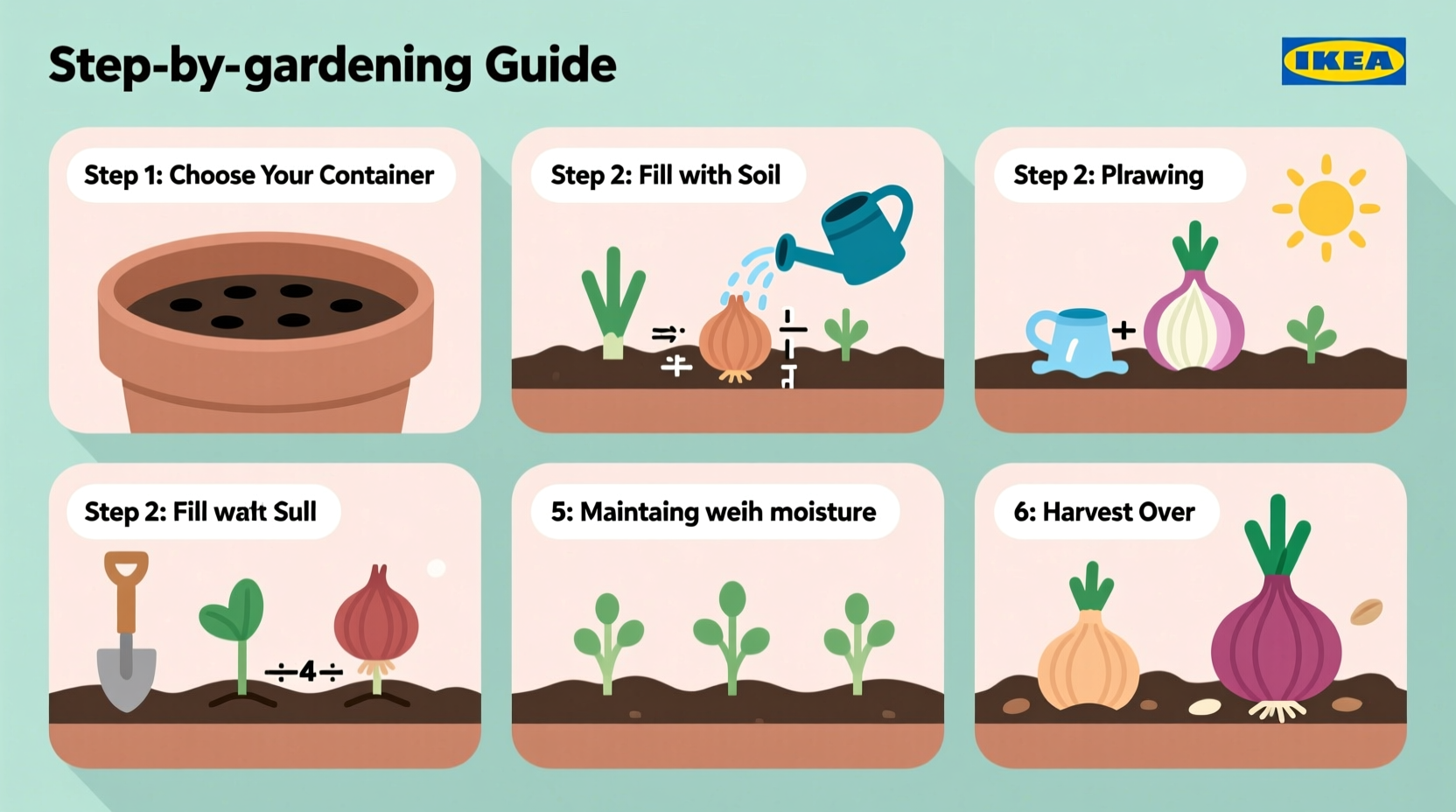
Onions (*Allium cepa*) are biennial plants grown as annuals for their layered bulbs, which develop at the base of long green hollow leaves. They belong to the Allium family, alongside garlic, leeks, and chives, and are prized for their pungency, depth of flavor, and culinary versatility. While traditionally grown in garden beds, onions adapt exceptionally well to container cultivation when given adequate depth, drainage, and light. Container gardening allows greater control over soil quality, moisture, and pests—critical advantages in urban environments or regions with poor native soil.
Container-grown onions can be cultivated from seeds, sets (small immature bulbs), or transplants. Each method has trade-offs in time, cost, and success rate. The key to thriving container onions lies in selecting appropriate varieties, maintaining consistent moisture, and providing sufficient root depth—factors often overlooked by beginners. When managed correctly, a single 5–10 gallon container can yield 6–12 full-sized bulbs or an ongoing supply of green onions over several months.
Key Characteristics of Onions
| Characteristic | Details |
|---|---|
| Flavor Profile | Sharp, pungent, sweet, or mild depending on variety; raw onions are more intense, cooking mellows and sweetens them. |
| Aroma | Pronounced sulfurous scent when cut, especially in yellow and red types. |
| Color/Form | Bulbs range from white, yellow, to purple-red; shapes include globe, flat, torpedo. Greens are hollow and tubular. |
| Heat Level | Mild to hot; influenced by sulfur content in soil and variety. |
| Culinary Function | Aromatic base (soffritto, mirepoix), grilling, roasting, pickling, garnishing. |
| Shelf Life | Dry bulbs: 1–6 months in cool, dry storage; green onions: 7–10 days refrigerated. |
| Container Suitability | High—especially compact or shallow-rooted varieties; requires 6–12 inches of soil depth. |
Practical Usage: How to Grow Onions in Containers
Successfully growing onions in pots begins with proper setup and continues through attentive maintenance. Follow this structured process for reliable results.
Step 1: Choose the Right Container
Not all pots are suitable for onion cultivation. Select containers based on the following criteria:
- Depth: Minimum 6 inches, ideally 8–12 inches to accommodate bulb expansion.
- Drainage: Must have multiple holes at the base; waterlogged soil causes rot.
- Material: Plastic, fabric grow bags, ceramic, or wood—all work if they retain moisture without becoming soggy.
- Size: A 5-gallon container holds 6–8 onion plants; scale up for larger harvests.
TIP: Fabric grow bags are ideal for onions—they \"air-prune\" roots, prevent circling, and improve oxygen exchange, leading to healthier bulbs.
Step 2: Select Onion Varieties for Containers
Choose varieties bred for compact growth or early maturity. Avoid giant heirlooms that demand extensive space and long seasons.
Best container-friendly types:
- White Lisbon – Fast-growing bunching onion; excellent for greens and small bulbs.
- Red Baron – Deep purple skin, strong flavor, forms medium bulbs in 90 days.
- Yellow Sweet Spanish – Matures early; sweet flavor, good for slicing.
- Evergreen Hardy White – Cold-tolerant, perennial-type green onion.
- Candy F1 – Hybrid with high disease resistance and uniform bulb size.
For continuous harvests, consider growing scallions (immature onions) instead of waiting for full bulbs. They require less depth and mature in 45–60 days.
Step 3: Prepare the Soil Mix
Onions need loose, fertile, well-draining soil rich in organic matter. Garden soil compacts easily in pots and may harbor pathogens.
Recommended potting mix:
- 60% high-quality potting soil
- 30% compost or worm castings
- 10% coarse sand or perlite (for drainage)
Adjust pH to 6.0–6.8. Onions struggle in acidic conditions. Mix in a balanced organic fertilizer (e.g., 5-5-5 NPK) before planting to support early leaf development.
Step 4: Planting Methods Compared
You can start onions via seeds, sets, or transplants. Each method affects timing, spacing, and yield.
| Method | When to Plant | Spacing | Time to Harvest | Pros & Cons |
|---|---|---|---|---|
| Seeds | 8–10 weeks before last frost (indoors); or direct sow in spring | ½ inch deep, 2–3 inches apart | 100–120 days for bulbs; 45 days for scallions | + Cheapest; widest variety choice – Slowest; requires thinning |
| Sets | Early spring or fall (depending on climate) | 1 inch deep, 3–4 inches apart | 60–90 days | + Fast start; easy for beginners – Limited variety; prone to bolting |
| Transplants | Early spring (buy or start indoors) | Set tops level with soil, 3–4 inches apart | 70–100 days | + Stronger starts; better survival – More expensive than seeds |
Step 5: Care and Maintenance
Onions are low-maintenance but sensitive to stress. Key factors include sunlight, watering, fertilization, and weed suppression.
- Sunlight: Provide 6–8 hours of direct sun daily. South-facing balconies or patios are ideal.
- Watering: Keep soil consistently moist—not wet. Water deeply 2–3 times per week, adjusting for heat and wind exposure.
- Fertilization: Apply a nitrogen-rich fertilizer every 3 weeks until bulbing begins (when necks thicken). Then switch to low-nitrogen, high-potassium feed to encourage bulb formation.
- Weeding: Hand-pull any weeds; avoid cultivating deeply, as onions have shallow roots.
TIP: Stop watering completely 2–3 weeks before harvest to cure bulbs and extend storage life.
Step 6: Harvesting and Curing
Harvest timing depends on intended use:
- Green onions: Pull when stems reach 6–8 inches tall.
- Immature bulbs: Harvest after 60–80 days for tender eating.
- Full bulbs: Wait until tops naturally fall over and yellow. Gently lift bulbs with a fork.
After harvest, cure bulbs in a warm, dry, well-ventilated area for 7–10 days. Lay them in a single layer off the ground. Once skins are papery, trim roots and tops to 1 inch. Store in mesh bags in a cool (40–55°F), dark place.
Variants & Types for Container Gardening
Understanding onion types helps match the right variety to your space, climate, and culinary needs.
Dry Bulb Onions
These mature into firm, layered bulbs with tight skins, ideal for long-term storage. Best for cooking bases, roasting, and caramelizing.
- Yellow Onions: Most versatile; sharp when raw, sweet when cooked. Try ‘Stuttgarter’ or ‘Copra’.
- Red Onions: Vibrant color, moderately spicy. Excellent in salads and grilling. ‘Red Zeppelin’ performs well in pots.
- White Onions: Crisp, clean taste. Common in Mexican cuisine. ‘Texas Super Sweet’ is container-adaptable.
Green Onions (Scallions)
Harvested young, these lack a developed bulb and are used whole. They regrow after cutting and thrive in shallow containers.
- ‘Nabechan’ – Heat-tolerant, fast-growing.
- ‘Ishikura’ – Japanese bunching type; perennial in mild climates.
Shallots
Technically a different species (*Allium cepa var. aggregatum*), shallots form clusters of small bulbs. They prefer deep containers (10+ inches) and rich soil. Flavor is delicate, garlicky, and slightly sweet—ideal for vinaigrettes and reductions.
Walking Onions (Egyptian Onions)
An unusual perennial that produces bulbils at the top of the stalk, which bend over and replant themselves. Highly productive in large containers and requires minimal input once established.
Comparison with Similar Ingredients
Onions are often confused with related alliums. Understanding differences prevents culinary missteps and guides proper cultivation.
| Ingredient | Key Differences | Container Suitability |
|---|---|---|
| Garlic | Smaller cloves, stronger flavor, grows from individual cloves. Requires similar depth but longer season. | High—use 8-inch deep pots. |
| Leeks | No bulb; thickened stem. Needs very deep containers (12+ inches) for blanching. | Moderate—requires specialized care. |
| Chives | Grass-like leaves, no bulb. Flowering herb; milder taste. | Very High—thrives in 6-inch pots. |
| Spring Onions | Young onions harvested early with pinkish bulbs and greens. Often mistaken for scallions. | High—same as green onions. |
\"Growing onions in containers isn’t just about saving space—it’s about control. You dictate the soil, the nutrients, the moisture. That precision leads to cleaner flavors and fewer pests.\" — Chef Elena Torres, Urban Farm Advocate
Practical Tips & FAQs
Q: Can I grow onions indoors?
A: Yes, but only for green onions. Use a south-facing window or grow lights (14–16 hours/day). Full bulbs require too much light and time for typical indoor setups.
Q: Why are my onion bulbs small?
A: Common causes include overcrowding, insufficient sunlight, premature bolting, or lack of potassium during bulbing. Thin plants early and ensure 6+ hours of direct sun.
Q: Do onions need full sun?
A: Absolutely. Less than 6 hours of direct light results in weak tops and stunted bulbs. Rotate containers if shading occurs.
Q: Can I reuse potting soil after growing onions?
A: Not recommended. Onions deplete potassium and may leave behind fungal spores. Refresh soil annually or solarize it in summer before reuse.
Q: What pests affect container onions?
A: Thrips, onion flies, and nematodes are most common. Prevent infestations with neem oil sprays, floating row covers, or companion planting with carrots or marigolds.
Q: How do I prevent onions from falling over too soon?
A: Premature lodging may indicate disease, drought, or nutrient imbalance. Ensure steady watering and avoid high-nitrogen feeds late in the season.
Q: Can I grow onions year-round in containers?
A: In USDA zones 7+, yes—with succession planting. In colder zones, grow greens indoors in winter and restart bulbs in spring. Use cold frames or move pots indoors before frost.
TIP: Practice succession planting: sow new seeds every 3 weeks for a continuous supply of green onions.
Mini Case Study: Balcony Onion System in Seattle
A home gardener in Seattle uses three 7-gallon fabric pots to grow onions year-round. In spring, she plants ‘Red Baron’ sets for fall harvest. Summer features ‘White Lisbon’ for greens. In autumn, she transitions to ‘Evergreen Hardy White’ under a cold frame. By rotating crops and using organic liquid kelp feed every 4 weeks, she yields enough onions for weekly cooking and preserves some through dehydration. Her system demonstrates how microclimate adaptation and crop planning maximize output in limited areas.
Summary & Key Takeaways
Growing onions in containers is a practical, rewarding endeavor for urban dwellers, apartment residents, and anyone seeking fresher, chemical-free produce. Success hinges on selecting the right variety, providing adequate depth and drainage, and maintaining consistent care throughout the growing cycle.
- Use containers at least 6–12 inches deep with excellent drainage.
- Choose compact or early-maturing varieties like ‘White Lisbon’, ‘Red Baron’, or ‘Candy F1’.
- Start from seeds, sets, or transplants based on your timeline and experience level.
- Use a loose, fertile potting mix enriched with compost and balanced fertilizer.
- Provide 6–8 hours of direct sunlight daily and water consistently—never letting soil dry out completely.
- Switch to low-nitrogen fertilizer once bulbing begins to promote swelling.
- Harvest green onions continuously; cure dry bulbs for long-term storage.
- Avoid common pitfalls: overcrowding, poor drainage, inadequate light, and reusing spent soil.
Ready to start? Begin with one 5-gallon container and a packet of ‘White Lisbon’ seeds. Within six weeks, you’ll harvest your first homegrown scallions—crisp, aromatic, and free from store-bought compromises.




 浙公网安备
33010002000092号
浙公网安备
33010002000092号 浙B2-20120091-4
Comments
No comments yet. Why don't you start the discussion?