
Yes, it is not only possible—it’s one of the most accessible and rewarding forms of home food production. Growing potatoes from a potato, technically known as planting seed potatoes, is a time-tested agricultural practice used by backyard gardeners and commercial farmers alike. Unlike growing plants from true botanical seeds, this method relies on tuber propagation, where a piece of mature potato develops into a genetically identical plant. This process bypasses the unpredictability of seed-grown varieties and ensures consistency in flavor, texture, and yield. For anyone interested in self-sufficiency, organic gardening, or simply enjoying homegrown produce, cultivating potatoes from existing tubers offers a practical entry point into sustainable agriculture.
The idea may seem counterintuitive—using food to grow more food—but it reflects centuries of agrarian knowledge. Potatoes (Solanum tuberosum) are native to the Andes Mountains of South America, where indigenous communities domesticated them over 7,000 years ago. These early cultivators recognized that whole or cut pieces of tubers could regenerate into new plants under the right conditions. Today, this same principle powers global potato farming, with over 400 million tons produced annually worldwide. Understanding how to replicate this process at home empowers individuals to participate in a deeply rooted tradition of food sovereignty.
Definition & Overview
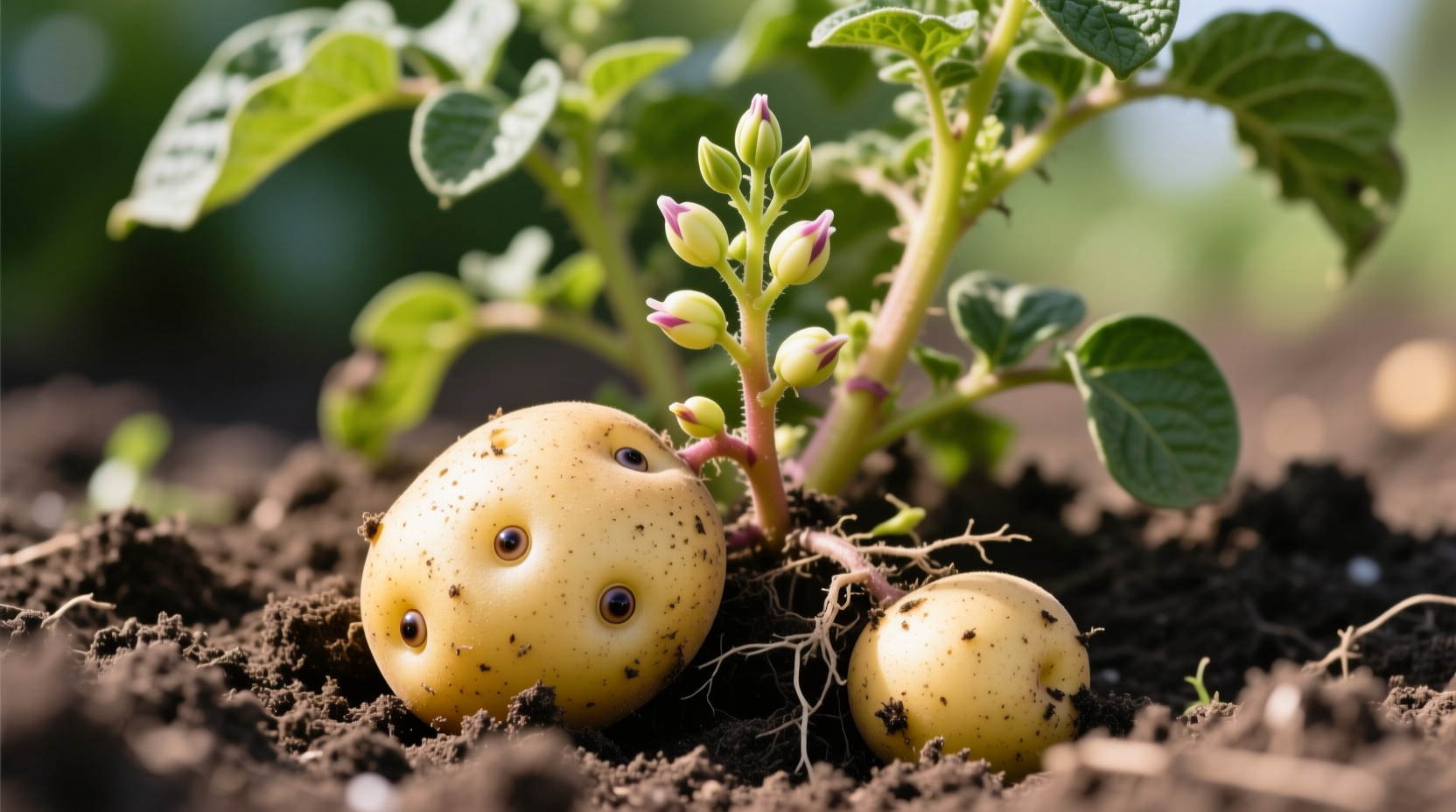
“Growing potatoes from a potato” refers to vegetative propagation using whole or sectioned mature tubers, commonly called “seed potatoes.” Despite the name, these are not seeds but living plant material capable of sprouting new growth when planted in soil. Each “eye” on a potato contains a dormant bud that can develop into a shoot, eventually forming a new plant with roots, stems, leaves, and underground tubers.
This method differs fundamentally from sexual reproduction via flower and seed. While potatoes do produce berries containing tiny black seeds, those result in genetic variation, making outcomes unpredictable. In contrast, planting tuber pieces preserves the exact characteristics of the parent variety—a crucial advantage for maintaining desirable traits like disease resistance, starch content, and culinary performance.
Seed potatoes are typically certified disease-free, especially when purchased from agricultural suppliers. Grocery store potatoes, while usable, often come treated with sprout inhibitors and may carry pathogens such as viruses or fungi that compromise plant health. Therefore, sourcing appropriate planting stock is essential for success.
Key Characteristics
Understanding the biological and horticultural features of potatoes enhances cultivation outcomes. Below are core attributes relevant to growing them from tubers:
| Characteristic | Description |
|---|---|
| Botanical Name | Solanum tuberosum |
| Plant Type | Perennial tuberous crop (grown as annual) |
| Propagation Method | Vegetative (via tuber sections with eyes) |
| Time to Harvest | 70–120 days depending on variety |
| Preferred Climate | Cool-season crop; thrives in temperatures between 60°F–70°F (15°C–21°C) |
| Soil Requirements | Well-drained, loose loam with pH 5.0–6.0 |
| Sunlight Needs | Full sun (6–8 hours daily) |
| Culinary Function | Starchy staple used in boiling, roasting, mashing, frying |
| Shelf Life (harvested tubers) | 3–6 months in cool, dark, humid storage (~40°F/4°C) |
Practical Usage: How to Grow Potatoes from a Potato
Successfully growing potatoes from a potato involves careful preparation, timing, and ongoing maintenance. Follow these steps for optimal results:
- Select Quality Seed Potatoes: Choose firm, disease-free tubers with visible eyes. Certified seed potatoes from reputable suppliers reduce the risk of introducing blight or virus. Avoid waxed or chemically treated supermarket potatoes.
- Chitting (Pre-Sprouting): Place seed potatoes in a cool, bright location (not direct sunlight) for 2–4 weeks before planting. This encourages strong sprout development without root formation. Position them with eyes facing up in egg cartons or trays.
- Cut Larger Tubers (Optional): If using large potatoes, cut them into 1.5–2 oz (40–60 g) pieces, ensuring each has at least one or two healthy eyes. Allow cuts to callus over for 24–48 hours to prevent rotting after planting. <4> Prepare the Planting Site: Use raised beds, containers, or tilled garden rows with loose, well-aerated soil. Incorporate compost or aged manure to improve fertility and drainage.
- Plant at the Right Time: Plant 2–4 weeks before the last expected frost date in spring. Soil temperature should be above 45°F (7°C). For fall harvests in mild climates, plant again in late summer.
- Planting Depth and Spacing: Bury seed pieces 3–4 inches deep, spaced 12 inches apart in rows 24–36 inches wide. Cover completely with soil.
- Hilling (Earthing Up): When plants reach 6–8 inches tall, mound soil around the base, leaving only the top few leaves exposed. Repeat every 2–3 weeks until the hill reaches 12 inches high. This prevents sun exposure to developing tubers (which causes greening and solanine production) and supports higher yields.
- Water Consistently: Maintain even moisture—about 1–2 inches per week. Avoid waterlogging, which promotes rot. Reduce watering as foliage begins to yellow, signaling maturity.
- Monitor for Pests and Diseases: Watch for Colorado potato beetles, aphids, and signs of late blight (dark leaf lesions, white fungal growth). Remove pests manually or use organic controls like neem oil or insecticidal soap.
- Harvest Timing:
- New Potatoes: Harvest 7–9 weeks after planting, when plants begin flowering. These small, tender tubers have thin skins and delicate flavor.
- Maincrop Potatoes: Wait until foliage dies back completely. Cure harvested tubers in a cool, dry, dark place for 1–2 weeks to toughen skins before long-term storage.
Pro Tip: Use straw mulch instead of traditional hilling. Lay seed potatoes on cleared ground and cover with 12 inches of straw. As plants grow, add more straw. At harvest, simply pull back the mulch to collect clean, unblemished potatoes—no digging required.
Variants & Types of Potatoes for Planting
Not all potatoes perform equally well when grown from tubers. Varieties differ in maturity time, disease resistance, storage capability, and culinary use. Selecting the right type improves both yield and kitchen utility.
- Russet Burbank: A long-season variety ideal for baking and frying. Produces large, oblong tubers with thick brown skin. Susceptible to some diseases but widely adapted.
- Kennebec: An all-purpose mid-season cultivar resistant to common scab and late blight. Creamy white flesh, excellent for boiling, mashing, and roasting.
- Yukon Gold: Known for its buttery yellow flesh and smooth texture. Early to mid-season maturity. Best suited for soups, gratins, and mashed dishes.
- Red Norland: Bright red skin with waxy white flesh. Early maturing, cold-tolerant, and perfect for boiling or salads. Less suitable for long storage.
- French Fingerling: Elongated shape with pinkish skin and golden flesh. Nutty flavor, great roasted or sliced. Lower yield but high gourmet value.
- Blue Adirondack: Deep purple-blue flesh rich in anthocyanins. Drought-tolerant and visually striking in dishes. Moderate yield and good storage life.
Choose early-season types for short growing windows, late-season ones for maximum storage potential. Heirloom and open-pollinated varieties allow seed saving (though still propagated via tubers), supporting biodiversity and regional adaptation.
Comparison with Similar Ingredients
While other root crops are grown from various planting materials, potatoes stand apart due to their reliance on vegetative propagation. Here's how they compare:
| Crop | Propagation Method | Edible Part | Genetic Stability | Storage Life |
|---|---|---|---|---|
| Potato | Tuber pieces (eyes) | Modified stem (tuber) | High (clonal) | 3–6 months |
| Sweet Potato | Slips (sprouts from tuber) | Root (true root) | Moderate (vegetative) | 4–7 months |
| Carrot | True seeds | Taproot | Variable (sexual reproduction) | 4–6 months |
| Garlic | Cloves (bulb segments) | Bulb (modified leaf base) | High (clonal) | 6–9 months |
| Ginger | Rhizome pieces | Underground stem | High (vegetative) | 2–4 weeks (fresh); longer dried |
Note that garlic and ginger also use vegetative propagation but involve different plant structures—cloves and rhizomes, respectively. Sweet potatoes, despite the name, are botanically unrelated and require warmer conditions than Irish potatoes.
Practical Tips & FAQs
Can I use any potato from the grocery store?
Technically yes, but not recommended. Store-bought potatoes are often treated with chlorpropham or other sprout inhibitors that delay or prevent germination. They may also harbor diseases like potato virus Y or blackleg. Certified seed potatoes guarantee viability and health.
How many potatoes will one plant produce?
On average, a single seed potato yields 3–4 pounds of harvestable tubers under optimal conditions. Yield depends on variety, soil quality, water access, and pest management. High-input systems can exceed 5 pounds per plant.
Why are my potatoes green?
Greening occurs when tubers are exposed to light, triggering chlorophyll and solanine production. Solanine is toxic in large quantities and imparts a bitter taste. Always hill properly or use mulch to keep tubers covered.
Do potatoes need full sun?
Yes. Potatoes require at least 6–8 hours of direct sunlight daily for robust photosynthesis and tuber development. Partial shade reduces yield significantly.
Can I grow potatoes in containers?
Absolutely. Use grow bags, buckets, or trash cans with drainage holes. Start with 4 inches of potting mix, place 2–3 seed pieces on top, and gradually add soil or straw as plants grow. Container growing allows better control over soil conditions and easier harvest.
What causes hollow heart in potatoes?
Hollow heart is an internal defect caused by rapid fluctuations in moisture or temperature during tuber formation. It appears as a cavity in the center and does not indicate spoilage, though it affects appearance and cooking quality. Maintain consistent watering to minimize risk.
Are sprouted potatoes safe to eat?
Sprouted potatoes can be eaten if peeled thoroughly to remove eyes and soft spots. However, extensive sprouting indicates nutrient loss and increased solanine levels. Discard shriveled, mushy, or strongly bitter specimens.
Expert Insight: \"Using saved seed potatoes from your own harvest can work, but only if the parent crop was disease-free. Rotate fields annually and avoid planting nightshades (tomatoes, peppers, eggplants) in the same spot to break pest cycles.\" — Dr. Elena Torres, Extension Horticulturist, University of Maine
Summary & Key Takeaways
Growing potatoes from a potato is not just possible—it’s a proven, efficient way to cultivate one of the world’s most important food crops. By leveraging vegetative propagation, gardeners ensure genetic consistency, faster maturity, and reliable yields compared to seed-based methods.
Success hinges on selecting quality seed potatoes, preparing the soil adequately, and managing growth through proper hilling, watering, and pest monitoring. Whether grown in garden beds, containers, or straw bales, potatoes adapt well to diverse environments, provided temperature and moisture remain stable.
Different varieties serve distinct purposes: early types for fresh eating, late-season ones for storage. Choosing disease-resistant cultivars and rotating planting locations helps maintain long-term productivity. While grocery-store potatoes may sprout, certified seed stock remains the gold standard for healthy, abundant harvests.
Ultimately, growing potatoes from a potato connects modern gardeners with ancient agricultural wisdom. It transforms a simple pantry item into a source of sustenance, resilience, and seasonal rhythm. With minimal tools and thoughtful care, anyone can turn a single tuber into a season’s worth of nourishing food.
Get Started Today: Pick up certified seed potatoes in late winter, begin chitting indoors, and plan your first planting for early spring. Track your progress, save successful tubers for next year (with caution), and refine your technique with each season.




 浙公网安备
33010002000092号
浙公网安备
33010002000092号 浙B2-20120091-4
Comments
No comments yet. Why don't you start the discussion?