
Poor posture is more than a cosmetic concern—it can lead to chronic back pain, reduced lung capacity, and long-term musculoskeletal issues. As awareness grows, posture vests have emerged as a popular tool to help retrain the body into healthier alignment. However, not all posture vests are created equal. Wearing the wrong one can cause discomfort, restrict movement, or even worsen postural imbalances. Choosing the right vest requires understanding your needs, lifestyle, and the mechanics of postural correction.
Understanding How Posture Vests Work
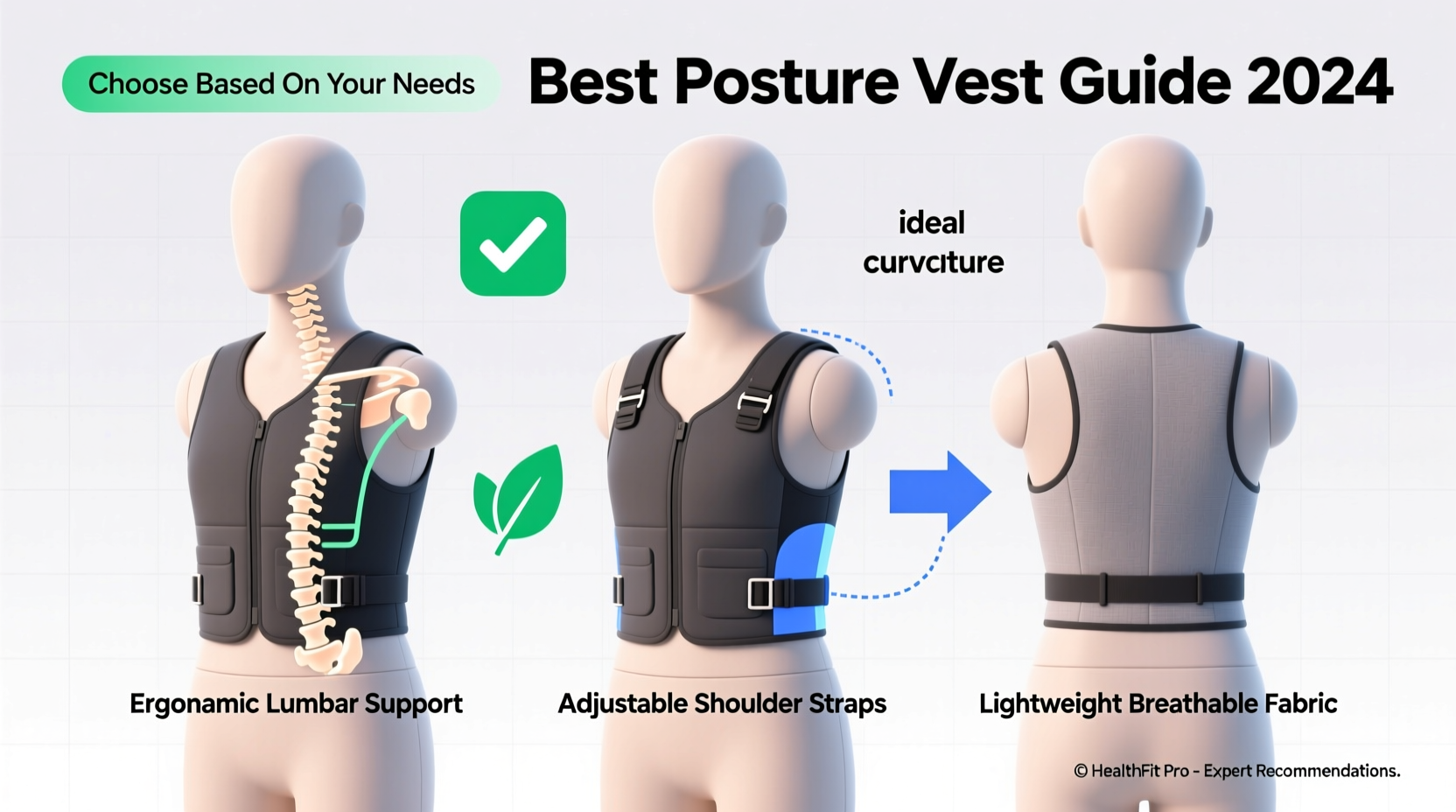
Posture vests function by gently guiding the shoulders and upper back into proper alignment. They typically use adjustable straps, compression panels, or supportive bands to discourage slouching and promote a neutral spine position. Unlike rigid braces, modern designs aim for comfort and wearability during daily activities.
These vests don’t “fix” posture on their own. Instead, they serve as biofeedback tools—making you aware when you start to slump. Over time, consistent use helps strengthen postural muscles and reinforces better habits. Think of them as training wheels for your spine.
“Posture correctors can be effective when used appropriately, but they should complement—not replace—core strength and ergonomic adjustments.” — Dr. Lena Patel, Physical Therapist and Spine Health Specialist
Key Features to Look for in a Posture Vest
Selecting the right posture vest isn’t just about fit—it’s about function, material quality, and adaptability to your routine. Here are the most important features to evaluate:
- Adjustability: Look for multiple strap settings and customizable tension. Your body changes throughout the day, and your vest should accommodate that.
- Breathable Fabric: Since many users wear these under clothing, moisture-wicking, lightweight materials like mesh or neoprene blends improve comfort and reduce overheating.
- Support Zone Precision: The vest should target the mid to upper back and shoulders without compressing the chest or restricting breathing.
- Low Profile Design: If you plan to wear it at work or under clothes, a slim, discreet design is essential.
- Ease of Use: Fastenings should be intuitive. Velcro closures, magnetic clips, or front zippers make independent dressing easier.
Choosing Based on Lifestyle and Usage
Your daily routine determines which type of posture vest will work best. A desk worker has different needs than someone recovering from an injury or an athlete looking to improve form.
| User Type | Ideal Vest Features | Recommended Wear Time |
|---|---|---|
| Office Workers | Low-profile, breathable, silent fabric | 2–4 hours daily (with breaks) |
| Rehabilitation Patients | Moderate to firm support, medical-grade materials | As prescribed (typically 30–60 min sessions) |
| Frequent Travelers | Lightweight, packable, easy to put on | During flights or long drives |
| Athletes & Fitness Enthusiasts | Flexible support, muscle activation focus | Pre-workout warm-up or corrective training |
Real Example: Sarah’s Desk Job Transformation
Sarah, a 34-year-old graphic designer, spent eight hours a day hunched over her monitor. After six months of persistent neck pain, she tried a low-profile posture vest designed for office wear. She started with 30-minute sessions twice a day, gradually increasing to three hours. Within four weeks, she noticed improved shoulder positioning and reduced stiffness. More importantly, she became aware of her posture even when not wearing the vest. Her experience underscores how consistency and appropriate product selection lead to lasting change.
Step-by-Step Guide to Finding Your Ideal Posture Vest
- Assess Your Postural Needs: Are you correcting forward head posture, rounded shoulders, or general slouching? Identify the primary issue.
- Determine Daily Usage: Will you wear it during work, workouts, recovery, or occasional use?
- Check Sizing Charts: Measure your chest, waist, and torso length. Don’t assume your clothing size matches the vest size.
- Read User Reviews Focused on Comfort: Look for feedback on breathability, chafing, and long-term wearability—not just effectiveness.
- Test for Mobility: Once worn, raise your arms, twist your torso, and sit down. The vest should allow natural movement without slipping or pinching.
- Start with Short Sessions: Begin with 20–30 minutes per day to let your muscles adjust. Avoid over-reliance.
- Pair with Postural Exercises: Combine vest use with scapular retractions, chin tucks, and core strengthening for optimal results.
Common Mistakes to Avoid
Even well-designed posture vests can do more harm than good if misused. Watch out for these pitfalls:
- Wearing It Too Long: Overuse can weaken muscles by making them dependent on external support.
- Tightening Excessively: Forcing the shoulders back too aggressively can strain joints and cause nerve irritation.
- Ignoring Pain: Discomfort is a warning sign. Numbness, tingling, or sharp pain means immediate removal.
- Skipping Proper Fit: A loose vest slips and fails to provide feedback; a tight one restricts breathing and circulation.
- Using It as a Quick Fix: Lasting posture improvement requires habit change, not just mechanical correction.
FAQ
Can a posture vest fix kyphosis or scoliosis?
No. While posture vests may offer temporary relief or mild alignment improvement, they cannot correct structural spinal conditions like kyphosis or scoliosis. These require professional diagnosis and treatment, often involving physical therapy or bracing prescribed by a physician.
How long should I wear a posture vest each day?
Begin with 20–30 minutes once or twice a day. Gradually increase to a maximum of 2–4 hours total, always taking breaks. Extended wear beyond this can lead to muscle atrophy or discomfort.
Are posture vests safe for people with respiratory conditions?
Caution is advised. Anyone with asthma, COPD, or other breathing issues should consult a doctor before using a posture vest, especially those with chest compression. Opt for shoulder-only designs if approved.
Final Checklist Before Buying
- ✅ Adjustable straps for personalized fit
- Ensures long-term usability as posture improves.
- ✅ Breathable, non-irritating fabric
- Reduces sweating and skin irritation during extended wear.
- ✅ Ergonomic design with no pressure points
- Should not dig into armpits, collarbones, or spine.
- ✅ Easy to put on and take off independently
- Especially important for older adults or those with limited mobility.
- ✅ Positive reviews from users with similar lifestyles
- Real-world feedback often reveals issues not apparent in marketing.
Take Control of Your Posture Today
A posture vest is only as effective as the habits you build around it. The best model won’t help if worn incorrectly or expected to work miracles overnight. Choose a vest that aligns with your body, lifestyle, and goals—then pair it with mindful movement, ergonomic adjustments, and targeted exercises. Over time, the goal isn’t to rely on the vest, but to internalize the feeling of proper alignment so it becomes second nature.




 浙公网安备
33010002000092号
浙公网安备
33010002000092号 浙B2-20120091-4
Comments
No comments yet. Why don't you start the discussion?