
Los Angeles is home to more than 650,000 pet households, making it one of the most pet-friendly cities in the U.S. With such a high demand for pet care, the number of pet stores has surged across neighborhoods like Silver Lake, Santa Monica, and Eagle Rock. But not all pet stores are created equal. From inconsistent product quality to poorly trained staff, choosing the wrong store can lead to overpriced purchases, unsafe products, or even health risks for your pet. Finding the right one requires research, observation, and knowing what to look for beyond just convenience.
What Makes a Pet Store Truly Great?
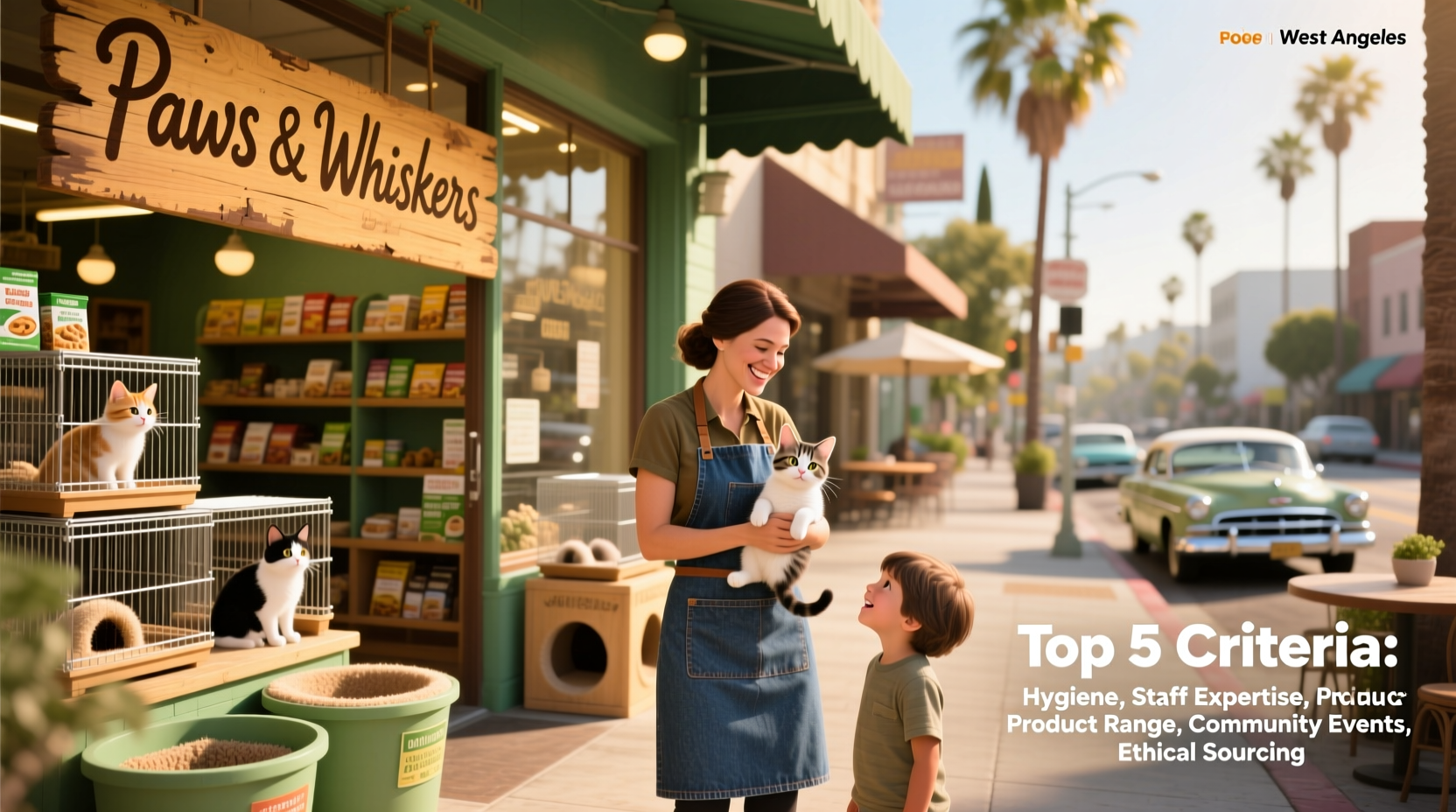
A top-tier pet store doesn’t just sell food and toys—it supports animal wellness, promotes ethical sourcing, and provides knowledgeable guidance. The best stores operate with transparency, carry veterinarian-approved products, and often partner with local shelters or trainers. They understand that pet ownership is a long-term commitment and aim to be a resource, not just a retailer.
Key characteristics of a reputable pet store include:
- Fresh, properly stored inventory with clear expiration dates
- Staff who can explain ingredient lists and recommend diets based on breed, age, and health conditions
- Support for local rescue organizations or adoption events
- Cleanliness and odor control in both retail and live animal areas (if applicable)
- Transparent sourcing policies, especially for live animals
“Pet stores that invest in staff education and community partnerships tend to have higher customer loyalty and healthier pets overall.” — Dr. Lena Torres, DVM, Los Angeles Veterinary Wellness Group
Step-by-Step Guide to Evaluating Pet Stores in LA
Finding the best pet store isn’t about luck—it’s a process. Follow this timeline to make an informed decision tailored to your pet’s needs.
- Define Your Needs: Are you looking for specialty food (e.g., grain-free, prescription diets), grooming services, or exotic pet supplies? Identify your must-haves before visiting any store.
- Research Online: Use Google Maps, Yelp, and Facebook to read recent reviews. Pay attention to comments about staff knowledge, cleanliness, and return policies.
- Check Certifications: Look for stores certified by organizations like the Better Business Bureau or those that carry brands requiring vet approval (e.g., Hill’s Science Diet, Royal Canin).
- Visit During Off-Peak Hours: Go between 10 AM–1 PM on a weekday to speak with staff without distractions. Observe how they interact with customers and animals.
- Ask Key Questions: Inquire about food rotation practices, sourcing of live animals, and whether they offer price-matching. Their answers reveal operational standards.
- Make a Trial Purchase: Buy a small item or sample bag of food. Return within a week to assess their return policy and customer service follow-up.
Top-Rated Pet Stores Across Los Angeles Neighborhoods
While preferences vary, several stores consistently earn praise for quality and service. Below is a comparison of standout options:
| Store Name | Neighborhood | Specialty | Price Range | Community Engagement |
|---|---|---|---|---|
| Pet Pavilion | Sherman Oaks | Veterinary-grade nutrition & supplements | $$$ | Hosts monthly pet wellness workshops |
| The Chihuahua Spot | Silver Lake | Small-breed focus & handmade toys | $$ | Partners with local rescues for adoptions |
| LA Pet Supply Co. | Downtown LA | Bulk organic food & eco-friendly products | $$ | Runs urban dog walking programs |
| Paws & Play | Santa Monica | Grooming + retail combo | $$$ | Offers free puppy socialization classes |
| Urban Tails | Eagle Rock | Exotic pets (reptiles, birds, small mammals) | $$$ | Trains foster caregivers for reptile rescues |
Note: Price ranges are relative—$ = budget-friendly, $$ = mid-range, $$$ = premium. Specialty services like compounding pharmacies or custom raw diets may cost more but offer long-term health benefits.
Real Example: How One Owner Found the Right Fit
Maria R., a cat owner in Highland Park, spent months rotating between three pet stores after her rescue cat developed chronic urinary issues. She needed a store that carried prescription urinary diets and could advise on hydration strategies. After visiting Pet Pavilion, she spoke with a staff member trained in feline nutrition who suggested switching to moisture-rich canned food and using a ceramic water fountain. The store also connected her with a local vet tech offering home visits. Within six weeks, her cat’s symptoms improved significantly. “It wasn’t just about buying food,” Maria said. “It was finding people who understood my pet’s health like I do.”
Do’s and Don’ts When Choosing a Pet Store
To avoid common pitfalls, refer to this essential checklist:
| Do | Don't |
|---|---|
| Verify that dry food is stored in sealed containers, not open bins exposed to air | Assume \"natural\" on a label means healthy—always read ingredients |
| Ask if staff receive ongoing training in pet nutrition or behavior | Buy live animals from stores that don’t disclose breeder information |
| Look for recyclable packaging or refill stations to reduce waste | Ignore strong ammonia or mildew odors—they signal poor sanitation |
| Support stores that donate unsold food to shelters instead of discarding it | Trust online ratings alone—visit in person to assess cleanliness and energy |
Essential Checklist Before Making a Decision
Before committing to a pet store, use this checklist to ensure it meets your standards:
- ✅ Staff can name at least three veterinarians they consult or refer to
- ✅ Food is rotated regularly—check visible expiration dates on shelves
- ✅ The store carries hypoallergenic, limited-ingredient, or prescription diets if needed
- ✅ Grooming areas (if offered) are separated from retail spaces and well-ventilated
- ✅ There’s a clear return policy for unopened and opened products
- ✅ Employees wear name tags and appear trained—not just hired for sales experience
- ✅ The store participates in community events, donation drives, or adoption fairs
FAQ
Is it safe to buy pet medication from a retail store?
Only if the store is partnered with a licensed veterinarian or pharmacy. Over-the-counter supplements are generally safe, but flea preventatives, antibiotics, or joint medications should be purchased through vet channels or verified online retailers with prescription verification.
How often should I reevaluate my pet store choice?
At least once a year. Pets’ nutritional and medical needs change with age. Additionally, store staff turnover or supply chain shifts can affect quality. Revisiting ensures your store still aligns with your pet’s current health plan.
Are big-chain pet stores worse than independents?
Not necessarily. Some chains like Petco and PetSmart have improved standards, offering in-store vet clinics and phasing out puppy mill-sourced animals. However, independent stores often provide more personalized service and niche products. Evaluate each location individually rather than judging by brand alone.
Final Thoughts: Choose a Partner, Not Just a Store
The best pet store in Los Angeles isn’t defined by size or location—it’s defined by its commitment to animal well-being. Whether you’re caring for a senior dog with arthritis, a finicky cat, or a first-time hamster owner, the right store will listen, educate, and support you beyond the checkout counter. Use the tools in this guide to evaluate options critically, prioritize health over marketing claims, and build a relationship with a team that treats your pet like family.




 浙公网安备
33010002000092号
浙公网安备
33010002000092号 浙B2-20120091-4
Comments
No comments yet. Why don't you start the discussion?