
Apples are one of nature’s most versatile fruits—crisp, sweet, tart, or tangy, they can be eaten fresh, baked into desserts, pressed into juice, or added to savory dishes. With over 7,500 known cultivars worldwide, choosing the right apple for your needs can feel overwhelming. Beyond variety, how you prepare and enjoy them also matters. The right tools can turn a simple snack into an effortless pleasure. This guide breaks down the top apple types by flavor and function, introduces must-have tools for slicing, coring, and storing, and shares practical tips to get the most from every bite.
Top Apple Varieties for Every Purpose
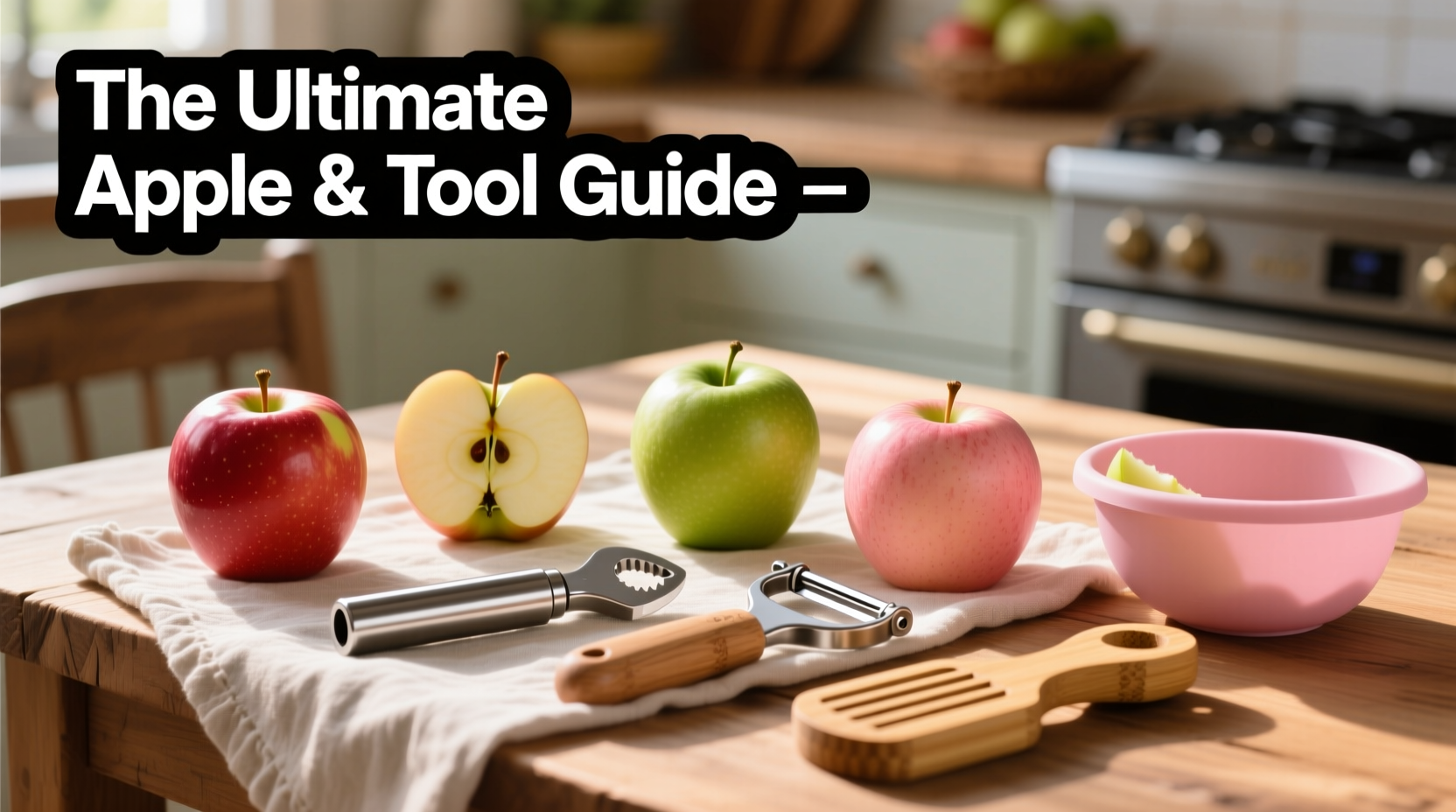
Not all apples are created equal. Some hold their shape when baked; others melt into tender sweetness. Some are best for snacking, while others shine in cider or salads. Knowing the characteristics of each helps match the fruit to your intended use.
- Honeycrisp: Known for its explosive crunch and balanced sweet-tart flavor, Honeycrisp is ideal for eating raw or adding to salads. It maintains firmness but doesn’t bake as well as denser varieties.
- Fuji: Exceptionally sweet with a dense, juicy texture, Fuji apples last long in storage and are perfect for lunchboxes or pairing with cheese.
- Gala: Mildly sweet and aromatic, Galas are kid-friendly and excellent for fresh eating. They soften quickly when cooked, making them suitable for applesauce.
- Granny Smith: Tart, firm, and bright green, this classic baking apple holds up well under heat and adds zing to pies and crisps.
- Braeburn: A complex blend of sweet and spicy notes makes Braeburns great for both eating and baking. They retain structure and add depth to recipes.
- Pink Lady (Cripps Pink): Crisp, tangy, and slow to brown, Pink Lady apples are superb for slicing ahead of time and using in charcuterie boards.
- McIntosh: Tender flesh and a fragrant aroma make McIntosh a favorite for applesauce and cider, though it breaks down when baked.
Essential Tools for Preparing Apples
Peeling, coring, and slicing apples by hand is time-consuming and inconsistent. Fortunately, modern kitchen tools streamline the process, reduce waste, and enhance safety. Investing in the right equipment transforms apple prep from chore to joy.
Apple Corers and Slicers
A handheld apple corer removes the core cleanly in seconds. Look for models with sharp stainless steel tubes and ergonomic handles. For even faster prep, multi-blade slicer-corers cut the apple into neat wedges while removing the core in one motion—ideal for snacks, grilling, or pie assembly.
Vegetable Peelers
If peeling is required (especially for young children or certain recipes), a swivel-head peeler glides smoothly over curved surfaces without gouging too much flesh. Y-shaped peelers offer better control than straight models.
Apple Presses
For those making homemade cider or juice, a manual apple press extracts maximum liquid from chopped fruit. These range from compact countertop units to large farm-style presses. Pair with a food grinder for best results.
Mandoline Slicers
When uniform slices are key—such as for dehydrating or arranging on tarts—a mandoline delivers precision. Use caution and always employ the included hand guard to prevent injury.
| Tool | Best For | Price Range |
|---|---|---|
| Handheld Corer | Removing cores for stuffing or baking | $8–$15 |
| Slicer-Corer Combo | Quick wedges for snacking or frying | $10–$20 |
| Swivel Peeler | Effortless peeling with minimal waste | $5–$12 |
| Manual Apple Press | Homemade cider or juice | $60–$150 |
| Mandoline Slicer | Uniform slices for drying or baking | $20–$40 |
Step-by-Step: How to Prepare Apples Efficiently
Follow this sequence to save time and minimize mess when preparing apples for any purpose:
- Wash thoroughly: Rinse under cool running water and scrub gently with a produce brush to remove wax and residue.
- Core and slice: Use a slicer-corer tool to divide the apple into eight even wedges while removing the central core.
- Peel if needed: For younger kids or specific recipes, peel each wedge using a sharp Y-peeler.
- Prevent browning: If not using immediately, submerge slices in a bowl of cold water with a tablespoon of lemon juice per cup.
- Store properly: Keep cut apples in an airtight container in the refrigerator for up to 3–4 days.
Real Example: How One Family Improved Snack Time
The Thompson family struggled with getting their two young children to eat whole apples. Peeling and cutting took too long during busy mornings, and pre-sliced store-bought apples were expensive and often mushy. After investing in a $14 slicer-corer and a high-quality peeler, they began preparing a week’s worth of apple wedges on Sunday evenings. Stored in glass containers with lemon-water-soaked paper towels on top, the slices stayed crisp and appealing. The result? Fruit consumption doubled, morning routines eased, and grocery bills dropped due to buying in-season bulk apples.
“Having apples ready to grab reduces decision fatigue and makes healthy choices the default.” — Dr. Lena Patel, Pediatric Nutrition Specialist
Do’s and Don’ts of Apple Storage
Proper storage extends shelf life and preserves texture and flavor. Follow these guidelines to avoid common mistakes.
| Do’s | Don’ts |
|---|---|
| Store whole apples in the crisper drawer at 30–35°F (near freezing) | Leave apples at room temperature for more than a day or two |
| Keep apples separate from other produce—they emit ethylene gas that speeds ripening | Mix apples with bananas, avocados, or tomatoes |
| Use perforated plastic bags to maintain humidity without trapping moisture | Seal apples in airtight non-perforated bags |
| Check stored apples weekly and remove any showing signs of decay | Ignore soft spots or mold—they spread quickly |
Frequently Asked Questions
Can I freeze apples?
Yes. Peel, core, and slice apples, then toss with lemon juice to prevent browning. Arrange in a single layer on a baking sheet, freeze until solid, then transfer to freezer bags. Frozen apples work well in baking, smoothies, or sauces but lose crispness.
Why do some apples taste grainy?
A grainy texture usually indicates overripeness or poor storage. Apples like Red Delicious are more prone to this due to softer flesh. Fresher, firmer varieties such as Honeycrisp or Granny Smith are less likely to develop this issue.
Are organic apples worth the extra cost?
According to the Environmental Working Group, apples consistently rank among the top produce items for pesticide residues. If buying conventional, wash thoroughly. For frequent consumers—especially children—organic may be a worthwhile investment in long-term health.
Maximize Flavor and Convenience
The best apple experience combines smart selection with smart preparation. Whether you're baking a fall pie, packing school lunches, or pressing fresh cider, matching the right variety to the task—and using efficient tools—makes all the difference. From the satisfying crunch of a chilled Honeycrisp to the warm aroma of Braeburns bubbling in a skillet, apples offer endless possibilities. By understanding their strengths and equipping your kitchen wisely, you unlock convenience, nutrition, and pure enjoyment in every bite.




 浙公网安备
33010002000092号
浙公网安备
33010002000092号 浙B2-20120091-4
Comments
No comments yet. Why don't you start the discussion?