
Choosing the right ceiling fan goes beyond mere air circulation. Today’s top models blend engineering excellence with thoughtful design, offering energy efficiency, quiet operation, and aesthetic appeal that complements everything from minimalist lofts to traditional homes. With so many brands on the market, identifying which ones deliver both form and function can be overwhelming. This guide cuts through the noise, spotlighting leading manufacturers known for innovation, durability, and design versatility.
Why Brand Matters When Choosing a Ceiling Fan
A ceiling fan is not just a cooling device—it's a permanent fixture that influences both comfort and interior ambiance. While cheaper models may offer short-term savings, they often fall short in airflow efficiency, longevity, and noise control. Reputable brands invest in aerodynamic blade design, robust motor engineering, and premium materials that ensure consistent performance over years of use.
Top-tier manufacturers also prioritize safety certifications, energy-efficient motors (such as DC or ENERGY STAR-rated AC motors), and smart integration features like remote controls, Wi-Fi compatibility, and reversible seasons settings. More importantly, established brands typically offer better warranties and customer support, reducing long-term ownership risks.
“Performance isn’t just about how much air moves—it’s about how quietly, efficiently, and reliably it happens. The brand behind the motor makes all the difference.” — Daniel Reeves, HVAC Design Consultant
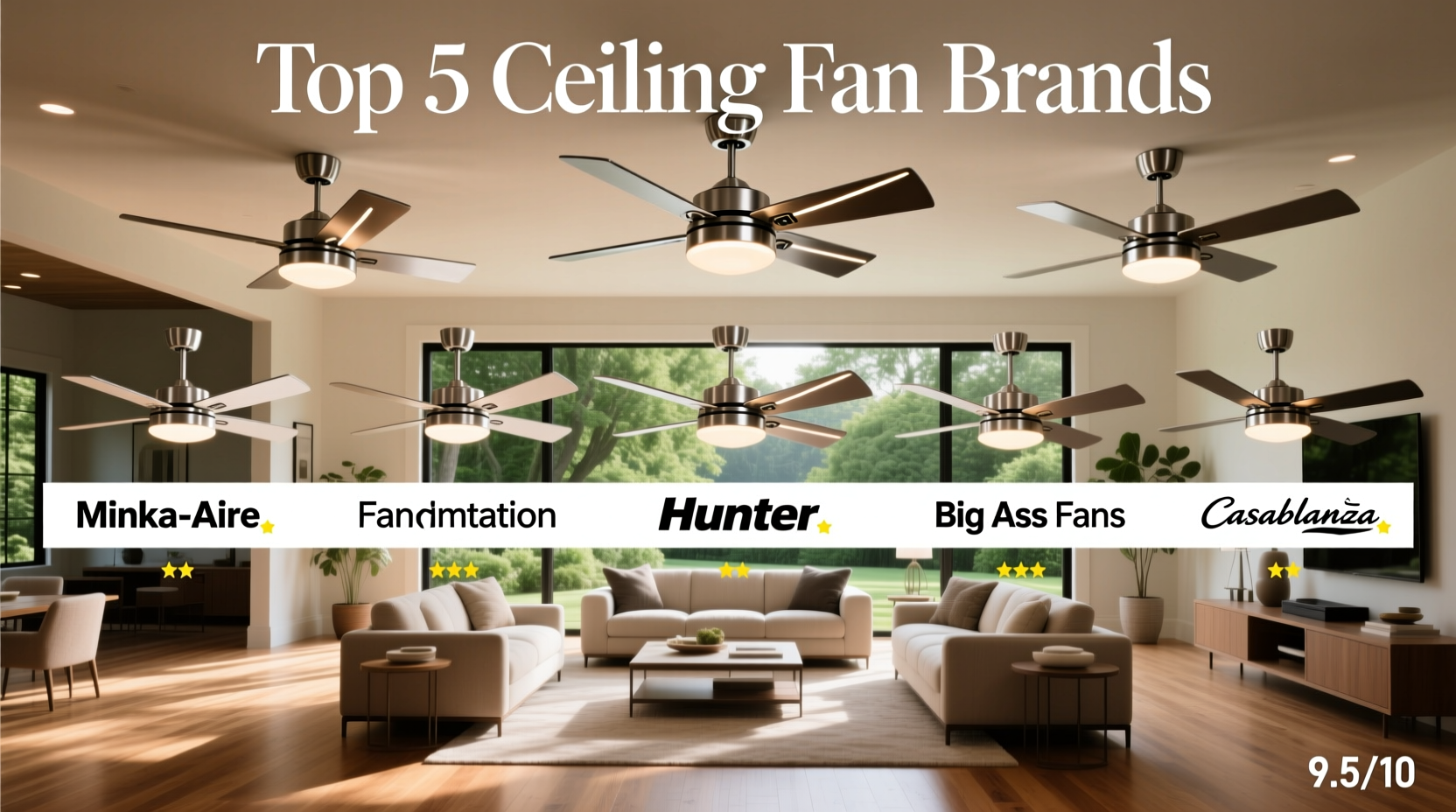
Top 5 Ceiling Fan Brands for Style and Performance
The following brands have consistently earned high marks from consumers, contractors, and interior designers alike for their balance of engineering quality and visual appeal.
Hunter Fans: Timeless Elegance Meets Reliability
Founded in 1886, Hunter is one of the oldest and most trusted names in ceiling fans. Known for classic silhouettes and solid construction, Hunter blends heritage craftsmanship with modern technology. Their lineup includes traditional four- and five-blade designs, transitional styles, and contemporary flush mounts ideal for low ceilings.
Key strengths include whisper-quiet motors, integrated lighting options with dimming capabilities, and compatibility with wall controls and smart home systems. Models like the Hunter Symphony and Original Mission are favorites in living rooms and bedrooms where aesthetics matter as much as airflow.
Haiku by Big Ass Fans: Premium Smart Performance
For those seeking cutting-edge technology wrapped in sleek design, Haiku stands out. These fans feature aerospace-grade materials, ultra-efficient DC motors, and seamless integration with Amazon Alexa, Google Assistant, and Apple HomeKit.
With sensors that adjust speed based on temperature and occupancy, Haiku fans optimize energy use without sacrificing comfort. Their signature minimalist look—often featuring wood or composite blades and concealed hardware—makes them ideal for modern homes, open-concept spaces, and even high-end commercial interiors.
Westinghouse Lighting: Innovation at Value Prices
Westinghouse offers an impressive range of fans that balance affordability with strong performance. Their designs span industrial, rustic, coastal, and urban aesthetics, making them a go-to for homeowners who want style variety without overspending.
Many Westinghouse models come with powerful yet energy-efficient motors, reversible blade settings for seasonal use, and easy-install mounting systems. The Casablanca Third Mountain series (produced under license) remains a benchmark for high-airflow performance in large rooms.
Minka-Aire: Designer Flair with Engineering Precision
Favored by architects and interior designers, Minka-Aire specializes in statement-making fans with bold lines and innovative forms. From sculptural metalwork to floating bladeless designs, their products serve as functional art pieces.
Beyond looks, Minka-Aire uses advanced RC210 and Universal II motor platforms known for smooth starts, multi-speed control, and minimal vibration. Most models are compatible with universal remotes and optional downlight kits, giving users full customization.
Modern Forms: Where Architecture Meets Airflow
A relative newcomer with rapid industry adoption, Modern Forms merges architectural lighting principles with fan design. Their collaborations with renowned designers result in fans that feel curated rather than merely installed.
Featuring app-controlled operation, color-tunable LED lighting, and ultra-slim profiles, these fans excel in condos, lofts, and contemporary residences. The Solo and Stratos series are particularly popular for their ability to deliver strong CFM (cubic feet per minute) while maintaining a nearly silent profile.
Comparison Table: Key Features Across Top Brands
| Brand | Average CFM/Watt | Noise Level (dB) | Smart Features | Design Range | Warranty |
|---|---|---|---|---|---|
| Hunter | 75–90 | 25–35 | Wi-Fi & Remote Options | Classic to Contemporary | Lifetime Motor |
| Haiku | 120+ | 20–28 | Full Smart Home Integration | Modern Minimalist | 10-Year Limited |
| Westinghouse | 65–85 | 30–40 | Remote Standard | Broad Range | 1–2 Years |
| Minka-Aire | 70–95 | 28–38 | Universal Remote Compatible | Designer-Focused | Lifetime Motor |
| Modern Forms | 100–115 | 22–30 | App Control, Voice Sync | Architectural Modern | 5-Year Limited |
Step-by-Step Guide to Selecting the Right Fan for Your Space
- Determine Room Size: Match fan blade span to room dimensions. For example, 42”–48” fans suit bedrooms (10x12 ft), while 52”–60” models work best in great rooms or dining areas.
- Assess Ceiling Height: Rooms with ceilings below 8 feet need flush-mount or “hugger” fans. For higher ceilings, use downrods to position the fan 7–9 feet above the floor.
- Choose Motor Type: DC motors consume up to 70% less energy than AC and offer smoother speed transitions. Ideal for frequently used spaces.
- Evaluate Aesthetic Needs: Decide whether the fan should blend in or stand out. Transitional spaces often benefit from neutral finishes; kitchens and studies may allow bolder statements.
- Verify Controls & Compatibility: Check if your preferred model works with existing dimmers, wall panels, or smart hubs. Some require proprietary remotes.
- Review Installation Requirements: Older homes may lack adequate electrical boxes. Ensure your ceiling supports a fan-rated junction box rated for at least 50 lbs.
Real-World Example: Transforming a Sunroom with Smart Design
Jennifer R., a homeowner in Austin, TX, struggled with her sunroom’s summer heat despite having central AC. After consulting an interior designer, she chose a Haiku L Series fan in white oak finish. Its high CFM output and automatic temperature sensing reduced reliance on air conditioning by 30%. The fan’s clean lines also elevated the space’s modern-rustic decor, proving that performance and beauty aren’t mutually exclusive.
Essential Buying Checklist
- ✅ Measure room size to select appropriate blade diameter
- ✅ Confirm ceiling height and mounting type (flush vs. downrod)
- ✅ Prioritize DC motors for energy savings and quiet operation
- ✅ Choose a finish that complements existing fixtures (brushed nickel, matte black, etc.)
- ✅ Verify inclusion of remote, wall control, or smart compatibility
- ✅ Check warranty terms—especially motor coverage
- ✅ Look for ENERGY STAR or high CFM/watt ratings for efficiency
Frequently Asked Questions
Can I install a ceiling fan in a room with a sloped ceiling?
Yes, most major brands offer adjustable mounting kits designed for angled ceilings. Models from Hunter, Minka-Aire, and Modern Forms typically include swivel brackets that ensure safe, level installation on slopes up to 45 degrees.
Are expensive ceiling fans worth the investment?
In most cases, yes. Higher-priced fans use superior motors that last longer, move more air efficiently, and operate more quietly. Over time, energy savings and reduced maintenance offset the initial cost, especially in frequently used rooms.
Do ceiling fans really help reduce energy bills?
When used strategically, they can. In summer, fans allow you to raise the thermostat by 4°F without sacrificing comfort. In winter, reversing the fan direction pushes warm air down, improving heating efficiency. ENERGY STAR estimates potential savings of up to $170 annually when replacing older units.
Final Thoughts: Elevate Comfort and Design Together
Selecting a ceiling fan shouldn’t mean compromising between performance and appearance. Leading brands now offer solutions that excel in both domains—delivering powerful airflow, whisper-quiet operation, and designs that enhance your interior vision. Whether you value heritage craftsmanship, smart automation, or avant-garde styling, there’s a brand engineered to meet your needs.




 浙公网安备
33010002000092号
浙公网安备
33010002000092号 浙B2-20120091-4
Comments
No comments yet. Why don't you start the discussion?