
Freshly squeezed juice offers a powerful way to absorb essential vitamins, enzymes, and antioxidants in their most natural form. With growing awareness of health and wellness, more people are turning to home juicing as a daily ritual. The modern juicer market is vast, offering machines that vary by speed, pressure, yield, and nutrient preservation. Choosing the right one can mean the difference between a fleeting trend and a sustainable, energizing habit. This guide cuts through the noise, delivering practical insights into selecting, using, and maintaining a juicer that fits your lifestyle—without sacrificing flavor or efficiency.
Understanding Juicer Types: Match Technology to Your Goals
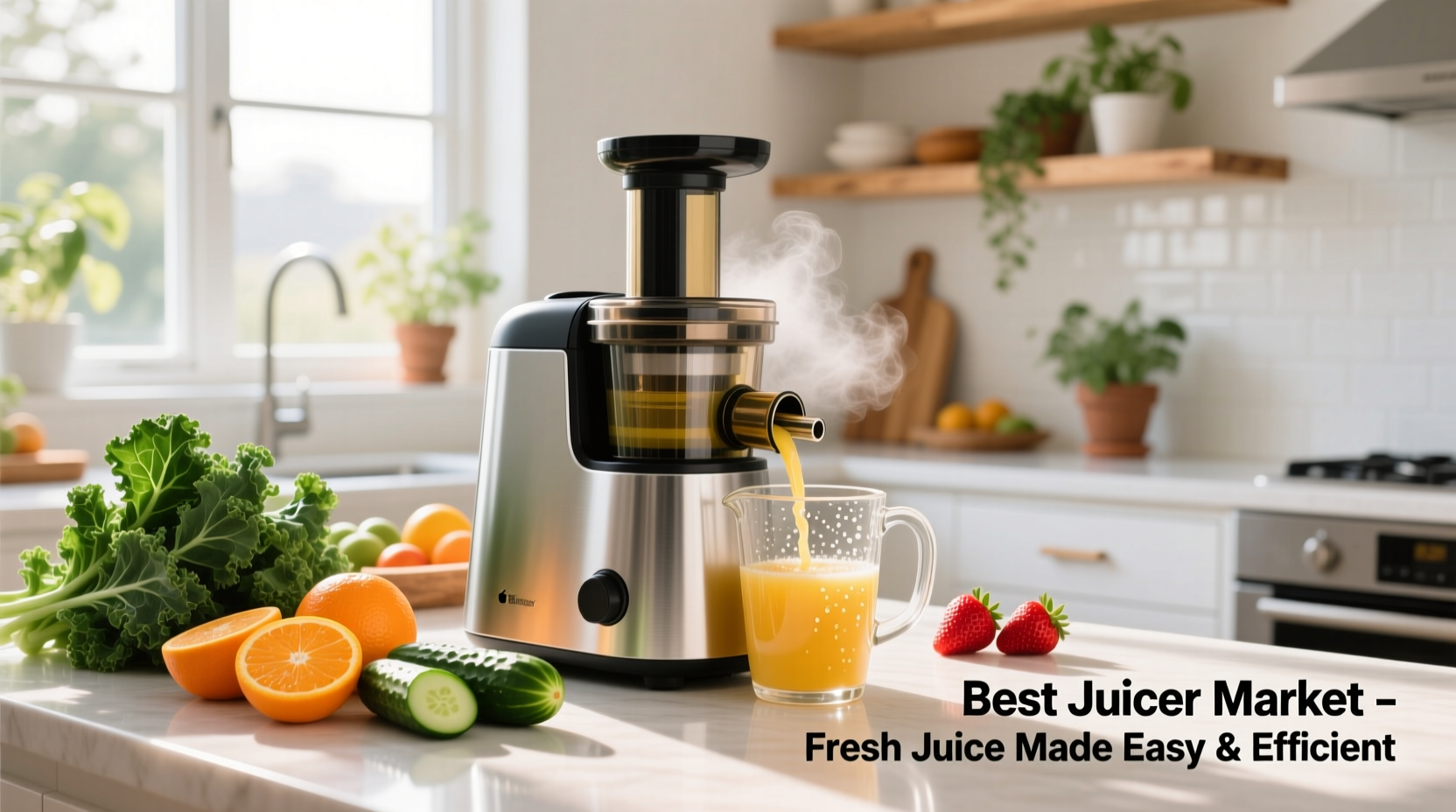
The first step in navigating the juicer market is understanding the primary technologies available. Each type has distinct advantages depending on your priorities: speed, nutrient retention, ease of cleanup, or fiber content.
- Centrifugal Juicers: These operate at high speeds, using a spinning blade to separate juice from pulp. They’re fast and affordable but generate heat and foam, which can degrade sensitive nutrients like vitamin C and enzymes.
- Masticating (Cold Press) Juicers: Also known as slow juicers, these crush and press produce at low RPMs. They extract more juice, preserve nutrients better, and allow for longer juice shelf life—up to 72 hours when refrigerated.
- Twin-Gear (Triturating) Juicers: The premium option, featuring two interlocking gears that grind produce finely. They offer the highest juice yield and nutrient retention but come with higher cost and complexity in cleaning.
- Manual Press Juicers: Hand-operated models ideal for citrus or small batches. Eco-friendly and quiet, but labor-intensive and limited in versatility.
“Low-speed extraction isn’t just about efficiency—it’s about honoring the food’s natural chemistry. Heat and oxidation destroy what we’re trying to gain.” — Dr. Lena Torres, Nutritional Biochemist
Key Features That Define Market Leaders
When evaluating top models across brands like Breville, Omega, Kuvings, and Hurom, certain features consistently set apart high-performing juicers.
| Feature | Why It Matters | Top Models Offering It |
|---|---|---|
| Slow RPM (40–80) | Reduces heat and oxidation, preserving enzymes | Omega NC900, Hurom H320 |
| Wide Feed Chute | Minimizes prep time; handles whole apples, carrots | Breville Juice Fountain Cold, Kuvings C7000 |
| Reverse Function | Prevents clogs during juicing tough greens | Omega VSJ843, Tribest GSE-5050 |
| Dishwasher-Safe Parts | Simplifies cleanup, encouraging consistent use | All major masticating models |
| Juice Yield Efficiency | Measures how much liquid is extracted per pound of produce | Twin-gear models lead here |
Step-by-Step Guide to Efficient Home Juicing
Efficiency begins before you plug in the machine. Follow this sequence to maximize output and minimize effort.
- Plan your combinations: Rotate ingredients weekly to avoid nutritional monotony. Pair leafy greens (kale, spinach) with sweet fruits (apple, pineapple) for balanced flavor.
- Wash and prep produce: Remove pits and seeds. Cut larger items to fit the feed chute, but avoid peeling organic cucumbers, carrots, or apples—peels contain fiber and nutrients.
- Sequence feeding order: Start with soft items (spinach, cucumber), then add harder produce (carrots, beets). Finish with fibrous greens (kale, celery) to help push pulp through.
- Operate at steady pace: Don’t overload the chute. Let the machine work at its rhythm, especially with masticating models.
- Immediate cleanup: Rinse parts within 10 minutes of use. Soak mesh filters if residue builds up.
“Juicing shouldn’t feel like a chore. If it takes more than 15 minutes from start to cleanup, you won’t stick with it.” — Mark Chen, Wellness Coach and Daily Juicer User
Real Example: How Sarah Transformed Her Mornings
Sarah, a 38-year-old project manager, struggled with afternoon fatigue and low energy. She tried smoothies but found them too filling in the morning. After researching cold-press benefits, she invested in a Hurom H320 masticating juicer. Initially skeptical about the price, she soon noticed her juice lasted three days without separation or odor—unlike her old centrifugal model.
She developed a weekly rotation: green juice (cucumber, celery, kale, lemon, ginger) on weekdays, and beet-apple-carrot blends on weekends. Prep time dropped to under 10 minutes after batch-washing and storing chopped produce in glass containers. Within six weeks, her energy improved, and she reduced coffee intake from three cups to one.
The key? Choosing a quiet, efficient machine that integrated seamlessly into her routine. “It’s not magic,” she says. “It’s consistency powered by the right tool.”
Do’s and Don’ts of Juicer Maintenance
A well-maintained juicer performs reliably for years. Neglect leads to mold, odors, and mechanical failure.
| Do’s | Don’ts |
|---|---|
| Rinse all parts immediately after use | Leave pulp sitting overnight |
| Use a soft brush for mesh screens | Soak motor base in water |
| Run a lemon-water cycle weekly for deep cleaning | Use abrasive pads or steel wool |
| Store assembled parts in a dry cabinet | Stack wet components together |
Frequently Asked Questions
Can I juice frozen fruit?
No, frozen fruit should be thawed first. Juicing frozen chunks can damage the auger or motor, especially in masticating models. Thawing also improves extraction efficiency.
How long does fresh juice last?
Centrifugal juice: 24 hours max due to oxidation. Masticating and twin-gear juices: 48–72 hours when stored in an airtight glass container, filled to the top to minimize air exposure.
Is juicing better than eating whole fruits and vegetables?
Not necessarily. Juicing removes insoluble fiber, which supports digestion. However, it allows concentrated nutrient absorption and is ideal for those needing quick hydration or recovering from illness. Best used as a supplement—not replacement—for whole produce.
Final Checklist Before You Buy
Before committing to a juicer, verify these points:
- ✅ Does it handle your most-used ingredients (e.g., leafy greens, wheatgrass)?
- ✅ Is assembly and disassembly intuitive?
- ✅ Are replacement parts readily available?
- ✅ Does it have a warranty of at least 10 years (for masticating models)?
- ✅ Can it make nut milks or sorbets (a bonus feature in many cold press models)?
Conclusion: Make Fresh Juice a Sustainable Habit
The best juicer isn’t the most expensive or advanced—it’s the one you’ll use consistently. Today’s market offers smart, durable machines that turn juicing from a weekend project into a seamless daily ritual. Whether you prioritize speed, nutrition, or quiet operation, there’s a model designed to meet your needs. By choosing wisely, prepping efficiently, and cleaning promptly, fresh juice becomes not just possible, but effortless.




 浙公网安备
33010002000092号
浙公网安备
33010002000092号 浙B2-20120091-4
Comments
No comments yet. Why don't you start the discussion?