
Creating a beautiful elastic bracelet is only half the journey. The real test lies in how well it holds up over time. A poorly tied knot can lead to breakage, lost beads, or sudden snapping—frustrating both makers and wearers. Choosing the right knot isn’t just about security; it’s about balancing strength, simplicity, and invisibility. Whether you're crafting for yourself, selling your designs, or making gifts, mastering the best knot for elastic bracelets ensures durability without sacrificing ease.
Why the Right Knot Matters
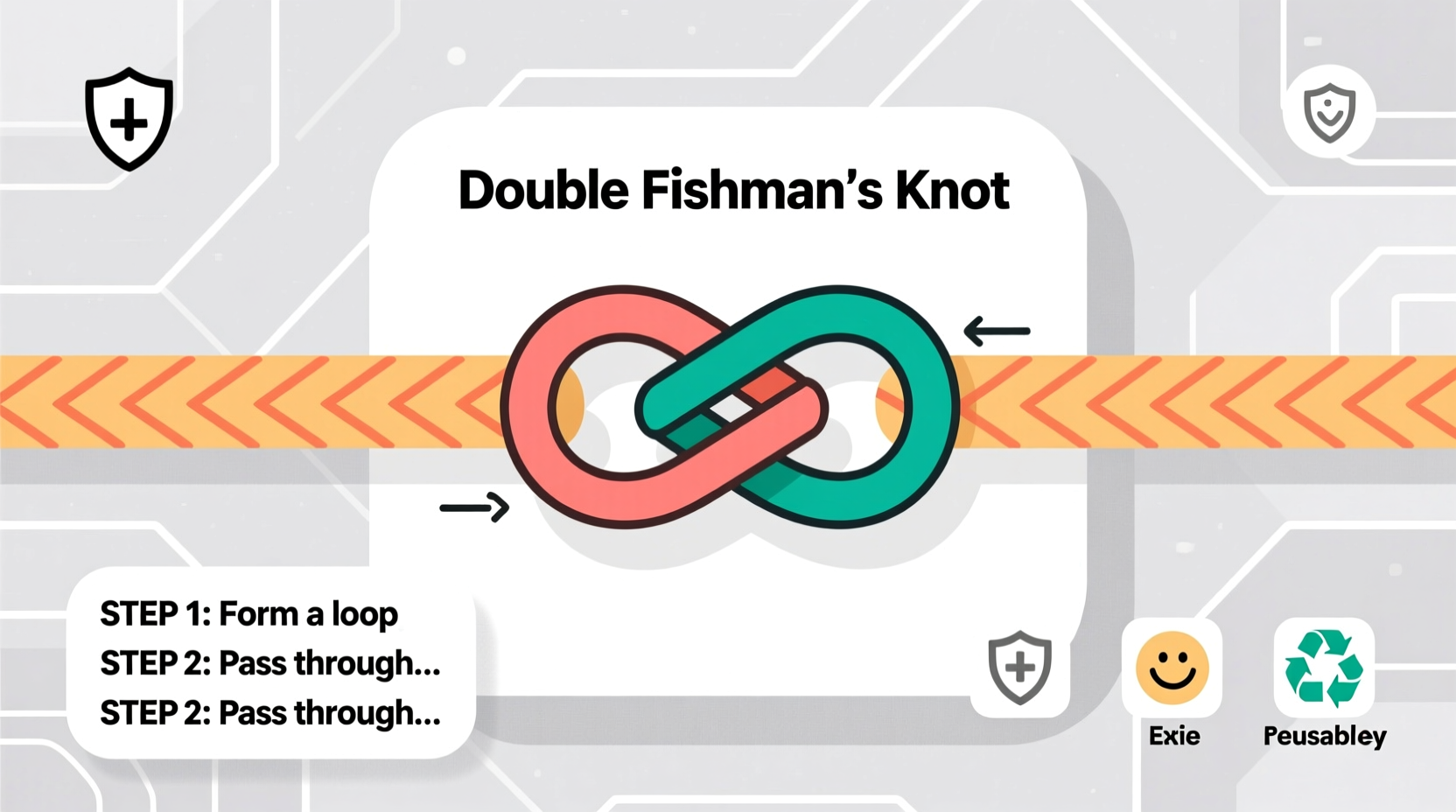
Elastic cord is flexible and comfortable, making it ideal for beaded bracelets. However, its stretchiness also means knots must withstand constant tension and movement. A weak knot will loosen with daily wear, while an overly complex one may damage the cord or look bulky. The ideal knot should:
- Hold securely under tension
- Resist slipping over time
- Be small enough to stay discreet
- Be easy to tie consistently
- Work with various elastic thicknesses
The wrong choice leads to broken bracelets within days. The right one can last months—even years—with regular use.
The Best Knot: The Surgeon’s Knot
Among all options, the Surgeon’s Knot stands out as the top choice for elastic bracelets. It's a reinforced version of the square knot, adding an extra twist for enhanced grip during tying. This prevents slippage while the knot is tightened—a common issue with standard knots on slick elastic materials.
Developed originally for medical sutures, the Surgeon’s Knot provides superior holding power on soft, flexible cords. Jewelers and bead artists have adopted it widely due to its reliability and clean finish.
“On elastic cord, friction is your friend. The Surgeon’s Knot increases contact points between strands, locking them in place even under repeated stress.” — Lena Torres, Beadwork Artisan & Instructor
Step-by-Step: Tying the Surgeon’s Knot
- Cut your elastic with generous tails (at least 6 inches on each end).
- Overlap the two ends of the cord where the clasp would sit.
- Cross the left end over the right, then loop it under and pull through—this is the first half of a square knot.
- Repeat this crossing motion a second time before pulling tight. This double wrap creates the “surgeon’s” lock.
- Pull both ends firmly to tighten the first half of the knot.
- Now, take the right end over the left, loop under, and pass through.
- Repeat this second crossing once more (again, double wrap), then pull tight.
- Gently tug on both sides to seat the knot securely.
- Apply a tiny drop of clear jewelry glue (like GS Hypo Cement) to reinforce if desired.
- Trim excess cord close to the knot, leaving about 1–2mm.
This knot lies flat, resists rotation, and maintains elasticity at the joint—critical for comfort and longevity.
Alternative Knots and When to Use Them
While the Surgeon’s Knot is optimal for most cases, other knots serve specific needs. Here’s a comparison:
| Knot Type | Durability | Difficulty | Best For | Drawbacks |
|---|---|---|---|---|
| Surgeon’s Knot | ★★★★★ | Medium | All-purpose elastic bracelets | Slightly bulkier than basic knots |
| Double Square Knot | ★★★★☆ | Easy | Beginners, thin elastics | Can slip if not tightened properly |
| Fisherman’s Knot | ★★★★☆ | Medium | Heavy bead loads | Very bulky, visible |
| Granny Knot | ★☆☆☆☆ | Easy | Not recommended | Slips easily, unreliable |
| Overhand Slip Knot | ★★☆☆☆ | Easy | Adjustable-fit designs | Less secure, requires backup |
For most beaded bracelets using 0.7mm to 1mm elastic, stick with the Surgeon’s Knot. Reserve Fisherman’s Knot for heavy stone beads, and avoid Granny Knots entirely—they mimic the square knot but lack symmetry and stability.
Pro Tips for Maximum Durability
A strong knot starts before you tie it. Follow these practices to ensure long-lasting results:
- Pre-stretch the cord: Gently stretch the entire length before stringing to reduce future sagging.
- Use fresh elastic: Old or UV-exposed cord loses elasticity and tensile strength.
- Choose quality materials: Opt for braided nylon-core elastic (e.g., Stretch Magic or Soft Flex) over cheap monofilament types.
- Double-knot when necessary: On high-stress pieces, tie a Surgeon’s Knot followed by a secure overhand knot on each tail.
- Seal with adhesive: A micro-drop of cyanoacrylate (super glue) or jewelry-specific cement adds insurance against unraveling.
Checklist: Securing Your Elastic Bracelet Like a Pro
- ✅ Use high-quality, braided elastic cord
- ✅ Cut long tails (6+ inches)
- ✅ Pre-stretch the cord gently
- ✅ Tie a Surgeon’s Knot with even tension
- ✅ Test the knot by stretching slowly
- ✅ Add a drop of jewelry glue (optional)
- ✅ Trim tails close—but not flush—to prevent unthreading
Real Example: From Broken Promise to Bestseller
Sophie, a handmade jewelry seller from Portland, initially used simple overhand knots on her crystal bracelets. Within weeks, customers reported breakages. After switching to the Surgeon’s Knot and adding a touch of GS Hypo Cement, her return rate dropped to zero. One customer wrote: “I’ve worn this every day for eight months—through workouts, showers, everything—and it still looks new.” Sophie now includes care cards explaining the knot used, boosting buyer confidence and repeat sales.
FAQ: Common Questions About Elastic Bracelet Knots
Can I reuse a knotted elastic if it breaks?
No. Once stretched or damaged, the cord’s integrity is compromised. Always restring with fresh material.
Should I tie the knot inside or outside the beads?
The knot should sit just outside the last bead on each side, allowing flexibility while protecting the knot from abrasion.
Is glue really necessary?
Not always, but highly recommended for valuable or frequently worn pieces. Jewelry glue acts as insurance against loosening due to friction and sweat exposure.
Final Thoughts: Craft With Confidence
The beauty of a handmade bracelet lies not just in its design, but in its endurance. A well-tied Surgeon’s Knot transforms a fragile accessory into a lasting piece of wearable art. By combining the right technique with quality materials and smart finishing touches, you create more than jewelry—you build trust, satisfaction, and pride in every piece.




 浙公网安备
33010002000092号
浙公网安备
33010002000092号 浙B2-20120091-4
Comments
No comments yet. Why don't you start the discussion?