
Feeling lightheaded upon standing is a surprisingly common experience—especially among older adults, but it can affect people of all ages. Often dismissed as a minor inconvenience, this sensation may signal an underlying issue with blood pressure regulation or hydration. Known medically as orthostatic hypotension, this condition occurs when blood pressure drops suddenly upon changing posture from sitting or lying down to standing. While occasional dizziness might not be alarming, frequent episodes warrant attention and understanding.
The human body is designed to maintain stable blood pressure during movement. When you stand up, gravity pulls blood downward into your legs and abdomen. To compensate, your heart rate increases slightly and blood vessels constrict to ensure adequate blood flow to the brain. If this system falters, even briefly, reduced cerebral perfusion leads to lightheadedness, blurred vision, or even fainting. Recognizing the triggers and knowing how to respond can prevent falls and improve quality of life.
Understanding Orthostatic Hypotension
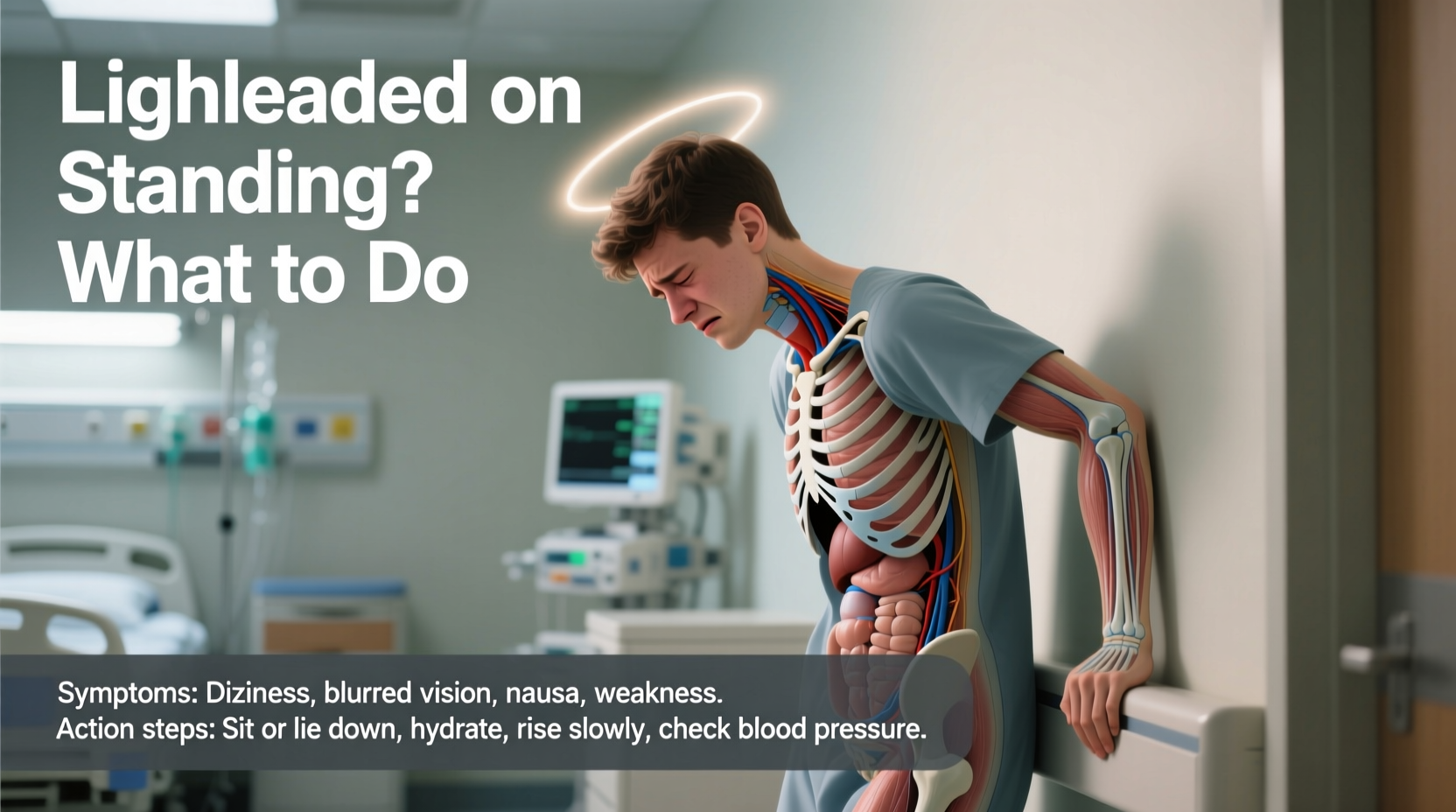
Orthostatic hypotension is defined as a drop in systolic blood pressure of at least 20 mm Hg or a diastolic drop of 10 mm Hg within three minutes of standing. This physiological response impairs oxygen delivery to the brain, causing transient symptoms. The condition can be acute or chronic, depending on duration and frequency.
There are two main types:
- Neurogenic orthostatic hypotension: Caused by dysfunction in the autonomic nervous system, often linked to Parkinson’s disease, diabetes, or multiple system atrophy.
- Non-neurogenic orthostatic hypotension: Results from volume depletion (like dehydration), medications, or prolonged bed rest rather than nerve damage.
It's important to distinguish between isolated lightheadedness after standing quickly versus recurrent, disabling episodes that interfere with daily activities. The latter may require medical evaluation.
Common Causes and Risk Factors
A variety of internal and external factors contribute to lightheadedness upon standing. Identifying potential causes helps determine whether lifestyle adjustments or medical intervention are needed.
| Cause | Description | Who It Affects Most |
|---|---|---|
| Dehydration | Low fluid volume reduces blood pressure and cardiac output. | All ages, especially elderly or those exercising in heat |
| Medications | Diuretics, antihypertensives, antidepressants, and Parkinson’s drugs can lower BP. | Older adults on multiple prescriptions |
| Age-related changes | Baroreceptor sensitivity declines with age; slower vascular response. | Individuals over 65 |
| Prolonged bed rest | Inactivity weakens cardiovascular adaptation to upright posture. | Post-surgery or illness recovery patients |
| Dietary deficiencies | Low salt, B12, or iron levels impair circulation and red blood cell production. | Vegans, malnourished individuals |
Other contributing conditions include heart problems (bradycardia, valve issues), endocrine disorders like adrenal insufficiency, and neurological diseases such as diabetic neuropathy. Alcohol consumption and large meals—particularly high-carbohydrate ones—can also trigger postural drops due to splanchnic blood pooling.
“Patients often don’t realize their dizziness is related to medication side effects until we review their full regimen. Simple dose adjustments can make a dramatic difference.” — Dr. Lena Patel, Internal Medicine Specialist
Symptoms and When to Seek Help
Lightheadedness alone may not be concerning, but certain accompanying signs indicate a need for prompt medical assessment:
- Blurred or tunnel vision
- Nausea or sweating
- Weakness or numbness
- Fainting (syncope)
- Chest pain or palpitations
- Confusion or slurred speech
If symptoms occur frequently, worsen over time, or happen without positional change, they could point to more serious cardiovascular or neurological issues. Sudden onset in younger individuals should also prompt investigation, as it may reveal undiagnosed autonomic disorders.
Mini Case Study: Maria’s Morning Dizziness
Maria, a 72-year-old retired teacher, began experiencing dizziness every morning when getting out of bed. She attributed it to aging until she fainted while brushing her teeth. Her doctor conducted a tilt-table test and found a 25 mm Hg drop in systolic pressure upon standing. Reviewing her medications revealed that her blood pressure pill, taken at night, was causing excessive lowering by morning. Adjusting the timing eliminated her symptoms within a week. This case illustrates how subtle medication effects can manifest as balance issues—and why professional evaluation matters.
Practical Steps to Prevent and Manage Symptoms
Many cases of orthostatic hypotension can be managed effectively through simple behavioral and environmental strategies. Here’s a step-by-step guide to reducing risk:
- Hydrate consistently throughout the day. Aim for 1.5–2 liters of water daily unless restricted medically. Dehydration is a leading reversible cause.
- Rise slowly from lying to standing. Follow the “log roll” technique: turn to your side, sit up slowly, dangle legs off the bed, wait 15 seconds, then stand.
- Stay physically active. Regular aerobic exercise improves vascular tone and autonomic control. Even walking 20 minutes daily helps.
- Review medications with your doctor. Some drugs lower blood pressure as a side effect. Never stop taking prescribed meds without consultation.
- Wear compression stockings. These reduce blood pooling in the legs and support venous return.
- Eat smaller, low-glycemic meals. Large meals divert blood to the gut, exacerbating dizziness. Avoid heavy carbs at breakfast.
- Avoid alcohol and hot environments. Both dilate blood vessels and increase risk of sudden drops.
Checklist: Daily Habits to Reduce Lightheadedness
- ✅ Drink water first thing in the morning
- ✅ Pause for 10 seconds after sitting up
- ✅ Perform ankle pumps before standing
- ✅ Monitor blood pressure at home if advised
- ✅ Wear waist-high compression garments if prescribed
- ✅ Limit alcohol intake
- ✅ Eat balanced meals with moderate sodium (unless contraindicated)
Frequently Asked Questions
Is it normal to feel dizzy every time I stand up?
No. Occasional mild lightheadedness may happen, especially after lying down for hours, but regular or severe dizziness when standing is not normal and should be evaluated. Recurrent symptoms may indicate orthostatic hypotension or another condition requiring treatment.
Can low iron cause lightheadedness when standing?
Yes. Iron deficiency anemia reduces the blood’s oxygen-carrying capacity. This compounds the effects of reduced cerebral blood flow during postural changes, making dizziness more likely. Blood tests can confirm iron levels and guide supplementation.
Should I be worried about falling?
If you frequently feel unsteady upon standing, fall risk increases significantly—especially in older adults. Implement safety measures: install grab bars, use non-slip mats, and avoid climbing on stools. Discuss concerns with your healthcare provider to assess mobility and balance.
Taking Control of Your Health
Lightheadedness when standing up isn’t something you have to live with. While it may seem like a small part of daily life, ignoring it can lead to dangerous falls, loss of independence, or missed diagnoses. By paying attention to your body’s signals, adjusting habits, and working with healthcare professionals, you can regain stability—literally and figuratively.
Start today: track your symptoms, hydrate mindfully, rise slowly, and bring any persistent concerns to your doctor. Small changes compound into meaningful improvements in energy, confidence, and safety. Your well-being stands on a foundation of awareness and action.




 浙公网安备
33010002000092号
浙公网安备
33010002000092号 浙B2-20120091-4
Comments
No comments yet. Why don't you start the discussion?