
Selecting the right pillow isn't just about size or shape—it's primarily determined by what’s inside. The stuffing defines how a pillow feels, supports your neck, retains heat, and ages over time. Whether you're a side sleeper, have allergies, or simply want luxury comfort, understanding the different types of pillow fillings—and their costs—can transform your sleep quality.
From memory foam to down alternatives, each stuffing material comes with unique benefits and trade-offs. This guide breaks down the most popular pillow fillings, compares their prices, performance, and care requirements, and helps you make an informed decision based on your sleeping style and budget.
Types of Pillow Stuffing: A Comprehensive Overview
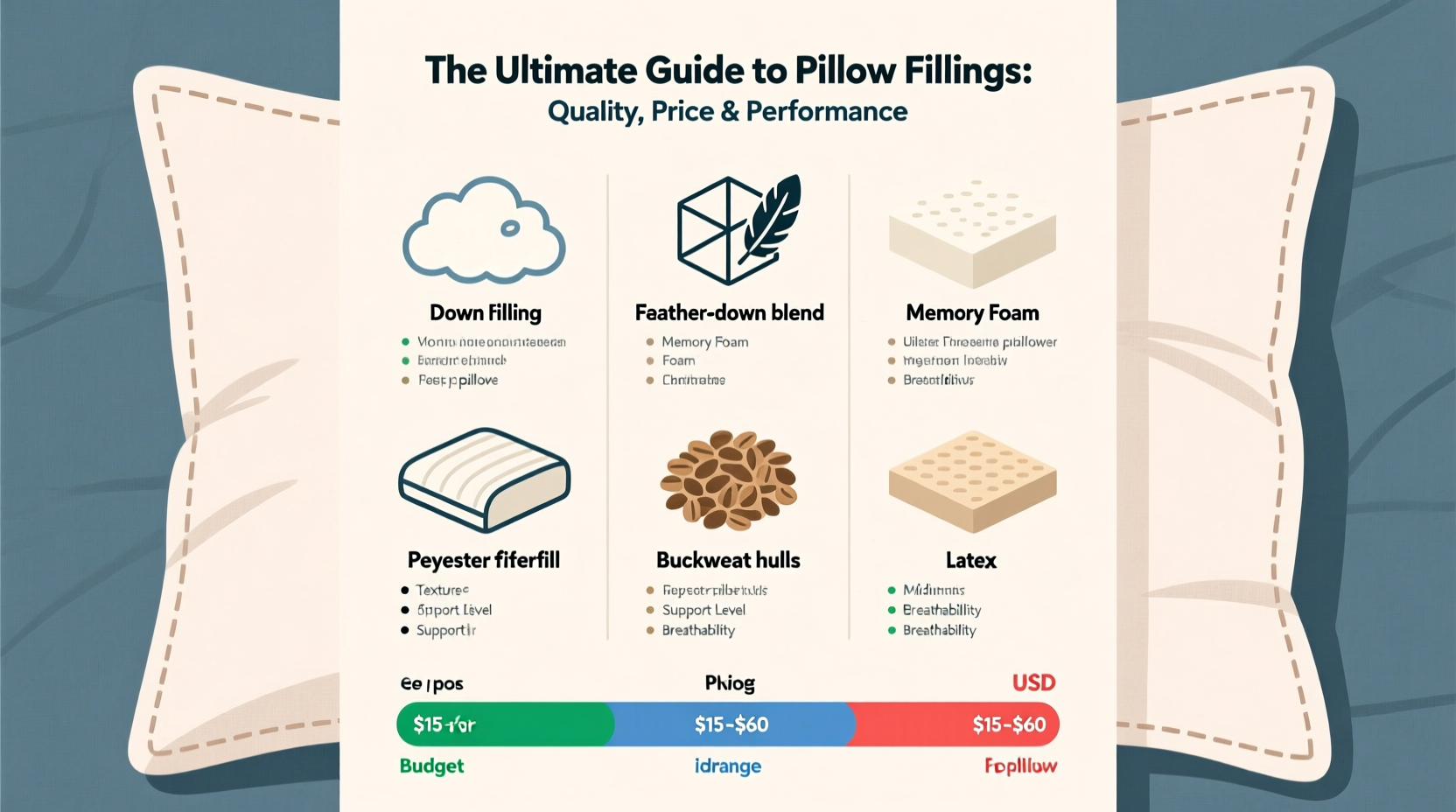
Pillow stuffing materials fall into several broad categories: natural, synthetic, and specialty foams. Each has distinct characteristics that affect support, breathability, and longevity.
- Natural Fillings: Include down, feathers, wool, and cotton. These offer softness and temperature regulation but may require more maintenance.
- Synthetic Fillings: Such as polyester fiberfill and microfiber. Affordable and hypoallergenic, these are common in drugstore pillows.
- Foam-Based Fillings: Memory foam, latex, and shredded foam provide structured support ideal for back and stomach sleepers.
- Hybrid & Specialty Fillings: Combinations like down with memory foam or cooling gel-infused fibers cater to specific comfort needs.
The choice of stuffing directly impacts pressure relief, spinal alignment, and even long-term neck pain prevention. Let’s explore the top options in detail.
Down vs. Feather: Softness Meets Support
Down refers to the soft undercoating found beneath the outer feathers of ducks and geese. It's prized for its fluffiness, lightness, and ability to conform to the head and neck. True down clusters lack quills, making them exceptionally soft.
Feathers, on the other hand, include the stiff quill shafts and offer more structure and firmness. Many \"down\" pillows actually blend both—labeled as “duck down/feather” or “goose feather/down.”
“High-fill-power down (650+ FP) provides superior loft and resilience, often lasting 5–7 years with proper care.” — Dr. Lena Torres, Sleep Ergonomics Researcher
Down pillows are expensive due to sourcing and processing, but they deliver unmatched comfort for those who enjoy a plush, moldable feel. However, they’re not suitable for allergy sufferers unless treated for allergens.
Synthetic Fiberfill: Budget-Friendly and Hypoallergenic
Polyester-based fiberfill is the most widely used stuffing in standard pillows. It mimics the softness of down at a fraction of the cost and is naturally resistant to dust mites and mold.
Microfiber pillows use finer strands for a silkier texture. While less durable than natural fills, modern versions incorporate siliconized fibers to improve resilience and reduce clumping.
These pillows are machine washable and ideal for children, guest rooms, or temporary use. However, they tend to flatten faster—typically lasting 1–2 years before losing support.
Memory Foam and Latex: For Targeted Neck Support
Memory foam molds to the contours of your head and neck using body heat. It offers excellent motion isolation and support, particularly beneficial for people with chronic neck or shoulder pain.
Traditional solid memory foam can retain heat, but newer variants include gel infusions or open-cell structures to enhance airflow. Shredded memory foam adds adjustability—you can remove or add filling to customize firmness.
Latex stuffing, derived from natural or synthetic rubber, is firmer and more responsive than memory foam. It resists dust mites naturally and lasts longer—up to 5–7 years.
Price Comparison of Pillow Stuffing Options
| Stuffing Type | Avg. Price Range (Single Pillow) | Lifespan | Hypoallergenic? | Best For |
|---|---|---|---|---|
| Duck Down (600+ FP) | $80 – $180 | 5–7 years | No (unless treated) | Side sleepers, luxury feel |
| Goose Down (700+ FP) | $150 – $300+ | 6–8 years | No | Hotels, premium users |
| Feather Blend | $40 – $90 | 3–5 years | No | Firm support lovers |
| Polyester Fiberfill | $10 – $30 | 1–2 years | Yes | Budget, kids, guests |
| Microfiber | $20 – $50 | 2–3 years | Yes | Allergy sufferers |
| Memory Foam (solid) | $50 – $120 | 3–5 years | Yes | Neck pain, back sleepers |
| Shredded Memory Foam | $60 – $140 | 4–6 years | Yes | Adjustable comfort |
| Natural Latex | $100 – $200 | 5–7 years | Yes | Eco-conscious buyers |
| Cotton or Wool | $70 – $150 | 4–6 years | Yes | Temperature regulation |
Note: Prices vary by brand, certifications (e.g., OEKO-TEX, GOTS), and region. Organic or ethically sourced materials typically command a premium.
Real-World Example: Choosing the Right Pillow After Injury
Jessica, a 42-year-old graphic designer, developed chronic neck stiffness after months of working from her couch. Over-the-counter polyester pillows offered no relief. She consulted a physical therapist who recommended switching to a shredded memory foam pillow for adjustable support.
She purchased a mid-range shredded foam pillow ($85) and adjusted the fill to suit her side-sleeping position. Within two weeks, her morning pain decreased significantly. After six months, she reported improved posture and deeper sleep. Her experience underscores how matching stuffing type to individual biomechanics can yield real health benefits.
Step-by-Step Guide to Choosing Your Ideal Pillow Stuffing
- Assess your sleeping position: Side sleepers need higher loft and firm support (memory foam, down); back sleepers benefit from moderate support; stomach sleepers should opt for softer, flatter pillows (microfiber).
- Consider allergies: Avoid down and feathers if allergic. Choose certified hypoallergenic synthetics or natural latex.
- Determine your budget: Set a realistic range. Investing $80–$120 in a quality pillow can save money long-term versus replacing cheap ones yearly.
- Evaluate temperature sensitivity: Hot sleepers should avoid solid memory foam unless it’s gel-cooled. Opt for breathable cotton, wool, or ventilated foam.
- Check care instructions: Down and latex often require spot cleaning or professional dry cleaning. Polyester and microfiber are usually machine washable.
- Test adjustability: Shredded foam or pillows with removable fill allow customization over time as preferences change.
Common Mistakes When Selecting Pillow Fill
- Choosing based on softness alone: Extremely soft pillows may feel cozy initially but fail to support the cervical spine.
- Ignoring loft height: Loft must align with shoulder width and sleeping position. Too high or too low strains the neck.
- Overlooking maintenance needs: Down pillows need regular fluffing and airing; foam shouldn’t be exposed to direct sunlight.
- Buying the cheapest option: Low-cost fiberfill flattens quickly, leading to poor sleep and frequent replacements.
Frequently Asked Questions
Can I wash a memory foam pillow?
Most solid memory foam pillows should not be machine washed. Spot clean with mild detergent and let air dry completely. Shredded foam inserts may be removable and washable—check manufacturer guidelines.
Is down cruelty-free?
Not always. Some down is a byproduct of the food industry (“non-live-plucked”), but ethical concerns remain. Look for certifications like Responsible Down Standard (RDS) or Global Traceable Down Standard (TDS) for verified humane sourcing.
How often should I replace my pillow?
Every 1–2 years for synthetic fills, 3–5 years for memory foam, and 5–8 years for high-quality down or latex. Replace sooner if the pillow sags, smells, or causes neck pain.
Final Checklist Before Buying
- ✅ Sleeping Position Matched to Loft?
- High loft for side sleepers, low for stomach sleepers.
- ✅ Allergy-Friendly Material Chosen?
- Avoid down/feathers if sensitive; prefer microfiber or latex.
- ✅ Temperature Regulation Considered?
- Choose cooling gel foam or breathable cotton if you sleep hot.
- ✅ Care Instructions Understood?
- Know whether it’s machine washable or requires special handling.
- ✅ Return Policy Verified?
- Many brands offer 30–100 night trials—use them to test comfort.
Conclusion: Invest in Your Sleep Foundation
Your pillow is as crucial as your mattress when it comes to restorative sleep. The stuffing inside determines comfort, support, and durability—so don’t settle for subpar fill just to save a few dollars. Whether you prioritize eco-friendliness, medical support, or cloud-like softness, there’s a stuffing option tailored to your needs and budget.




 浙公网安备
33010002000092号
浙公网安备
33010002000092号 浙B2-20120091-4
Comments
No comments yet. Why don't you start the discussion?