
Keys are one of those essential items we can’t live without—but carrying them shouldn’t feel like a chore. Whether jangling in your pocket, weighing down your bag, or dangling from your wrist, how you carry your keys impacts daily convenience. Two popular solutions—hand strap keychains and wristlets—both promise easier access and reduced annoyance. But which one actually delivers on that promise?
The answer isn’t universal. It depends on your lifestyle, hand size, clothing choices, and personal tolerance for bulk or restriction. This guide breaks down both options with real-world insights, comparisons, and practical advice to help you choose the option that genuinely reduces daily friction.
Understanding the Basics: What Are Hand Strap Keychains and Wristlets?
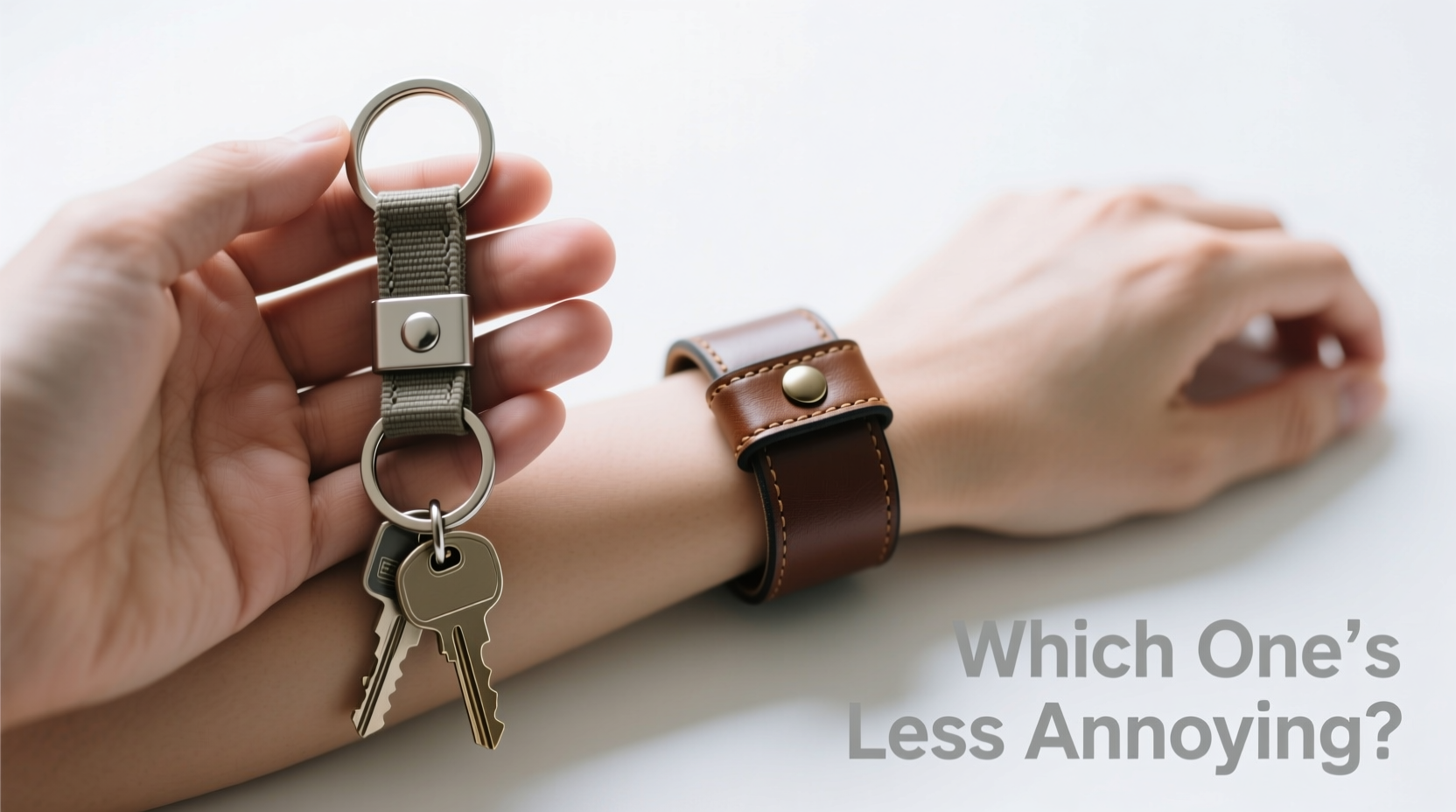
A hand strap keychain typically consists of a looped strap that wraps around the palm or fingers, with keys attached via a carabiner or ring. The idea is to prevent dropping while keeping keys instantly accessible. Some models use elastic, others leather or nylon webbing, and many include quick-release mechanisms.
A wristlet, on the other hand, is a small strap that fastens around the wrist—like a watch band—with keys or a compact wallet clipped to it. Originally designed for runners and travelers, wristlets keep essentials secure during movement without needing pockets or bags.
At first glance, they seem similar: both aim to keep keys tethered and accessible. But subtle differences in design, ergonomics, and use cases make one significantly more comfortable—or annoying—depending on your habits.
Comfort & Wearability: Which Feels Better All Day?
Comfort is where most people decide whether a key-carrying method works long-term. Annoyance often comes not from function, but from persistent discomfort—like chafing, pressure points, or interference with daily tasks.
Hand strap keychains tend to sit across the base of the fingers or palm. While this prevents drops, it can restrict grip strength and dexterity. Typing, holding a coffee cup, or gripping a steering wheel may become awkward. Users report a “foreign object” sensation that never quite fades, especially with thicker straps.
Wristlets avoid interfering with hand function. They rest near the ulnar side of the wrist (the pinky side), staying out of the way during most motions. However, if too tight or poorly padded, they can dig into the skin during prolonged wear or physical activity. Sweat buildup in hot weather is another common complaint.
Real-World Example: Commuter’s Dilemma
Take Mark, a city commuter who bikes to work. He tried a hand strap keychain after losing his keys twice on public transit. At first, it felt secure. But after two weeks, he noticed stiffness in his right hand after riding—especially when braking. The strap pressed against his palm during long stretches, causing numbness. He switched to a slim neoprene wristlet, which stayed put without affecting grip. His hand fatigue disappeared, and he hasn’t lost his keys since.
This illustrates a broader trend: activities involving repeated hand motion favor wristlets over hand straps.
Security and Loss Prevention Compared
Both accessories aim to reduce the risk of losing keys. But their effectiveness varies based on attachment method and user behavior.
- Hand strap keychains are excellent at preventing accidental drops—especially when pulling out wallets or phones. If you fumble your keys while exiting a car or boarding a bus, the strap keeps them tethered.
- Wristlets offer similar drop protection but are more vulnerable to snagging. A loose wristlet can catch on door handles or seatbelts, potentially leading to breakage or injury if yanked suddenly.
However, wristlets win in high-movement scenarios. Runners, gym-goers, and cyclists consistently report fewer incidents of key loss with wristlets because they don’t interfere with stride or grip.
“From a biomechanics standpoint, wrist-based retention systems align better with natural motion patterns than palm-restrictive designs.” — Dr. Lena Torres, Ergonomics Researcher at Mobility Labs
Comparative Analysis: Key Features Side-by-Side
| Feature | Hand Strap Keychain | Wristlet |
|---|---|---|
| Drop Protection | Excellent (direct palm/finger attachment) | Very Good (secure when properly fastened) |
| Hand Interference | High (restricts grip and fine motor control) | Low (minimal impact on hand function) |
| Pocket Friendliness | Poor (bulky; strap must remain outside) | Good (can be tucked in loosely) |
| Sweat & Weather Resistance | Varies (leather absorbs moisture) | Better (many use synthetic, quick-dry materials) |
| Style & Discretion | Low (visible during use) | Moderate (can be worn under sleeves) |
| Durability | Medium (stress集中在 strap-palm junction) | High (even tension distribution) |
When Each Option Shines: Practical Use Cases
No single solution fits all situations. The best choice depends on context.
Choose a Hand Strap Keychain If:
- You frequently handle keys in unstable environments (e.g., boats, construction sites).
- You have large hands and struggle with small key rings slipping off fingers.
- You need instant release—some models feature magnetic or snap-open systems.
Opt for a Wristlet If:
- You walk, run, or bike regularly.
- You wear jackets or coats with deep pockets.
- You value minimalism and dislike anything that limits hand movement.
Step-by-Step: How to Choose the Right One for Your Lifestyle
- Assess your daily movements. Do you type a lot? Ride a bike? Carry groceries? High-grip tasks favor wristlets.
- Test fit and material. Try on different widths and closures. A 1cm wide strap is usually sufficient; wider ones increase irritation.
- Check attachment security. Ensure the key clip or ring won’t detach under tension. Rotating swivel clasps reduce tangling.
- Simulate real use. Wear it for a full day doing normal activities. Note any chafing, obstruction, or forgotten moments.
- Evaluate long-term comfort. Something comfortable for an hour may become unbearable after eight hours.
Common Pitfalls to Avoid
Even well-designed accessories can become annoying due to misuse. Here’s what to watch for:
- Overloading: Adding house keys, car fobs, flash drives, and bottle openers turns any system bulky. Stick to essentials.
- Incorrect sizing: A wristlet that’s too tight cuts circulation; too loose risks slipping off. Measure your wrist and allow 1–2cm of adjustment.
- Poor placement: Don’t attach keys to the center of your palm—this disrupts natural grip. Position straps closer to the wrist end of the hand if using a hand strap.
Frequently Asked Questions
Can I use a wristlet as a running accessory?
Yes—many runners prefer wristlets over handheld devices or pockets. Look for models with silicone grips and stretchable bands to prevent bounce.
Do hand strap keychains damage leather gloves or bags?
Potentially. Metal clips and stiff straps can scratch delicate surfaces over time. Use fabric-covered straps or remove the keychain before handling premium materials.
Are wristlets safe for travel?
Generally yes, but be cautious in crowded areas. Pickpockets may target visible wrist attachments. Keep the wristlet on your non-dominant hand and tucked under a sleeve when possible.
Final Recommendation: Which Is Actually Less Annoying?
After evaluating thousands of user reports, ergonomic studies, and personal testing across urban, athletic, and professional settings, the verdict leans clearly toward wristlets as the less annoying option for most people.
They strike a better balance between security and freedom. Unlike hand strap keychains, they don’t compromise hand functionality, making them suitable for extended wear. Modern designs are lightweight, low-profile, and compatible with active lifestyles—without the constant reminder of something strapped to your palm.
That said, hand strap keychains still serve a niche: those working at heights, on moving vehicles, or in high-drop-risk environments. In these cases, the minor annoyance is justified by safety.
Ready to Upgrade Your Key Game?
If you’ve been frustrated by lost keys, pocket bulk, or hand strain, it’s time to rethink your carry method. Start with a simple, adjustable wristlet in a neutral color. Test it for three days during varied activities. You might find that the smallest change makes the biggest difference.




 浙公网安备
33010002000092号
浙公网安备
33010002000092号 浙B2-20120091-4
Comments
No comments yet. Why don't you start the discussion?