
In the world of accessories, small details often speak volumes. One such detail is the humble keychain—specifically, whether it's clipped to a handbag or tucked inside a wallet. While both serve the basic function of holding keys, their placement reveals deeper habits about organization, lifestyle, and even fashion priorities. With social media flooded with minimalist wallets and designer handbags adorned with dangling charms, it’s worth asking: which option are people actually using—and why?
This article examines consumer behavior, functional trade-offs, and emerging trends to clarify the real-world usage between handbag keychains and wallet keychains. From urban commuters to frequent travelers, we’ll break down who uses what and how personal preferences shape everyday choices.
The Rise of the Handbag Keychain
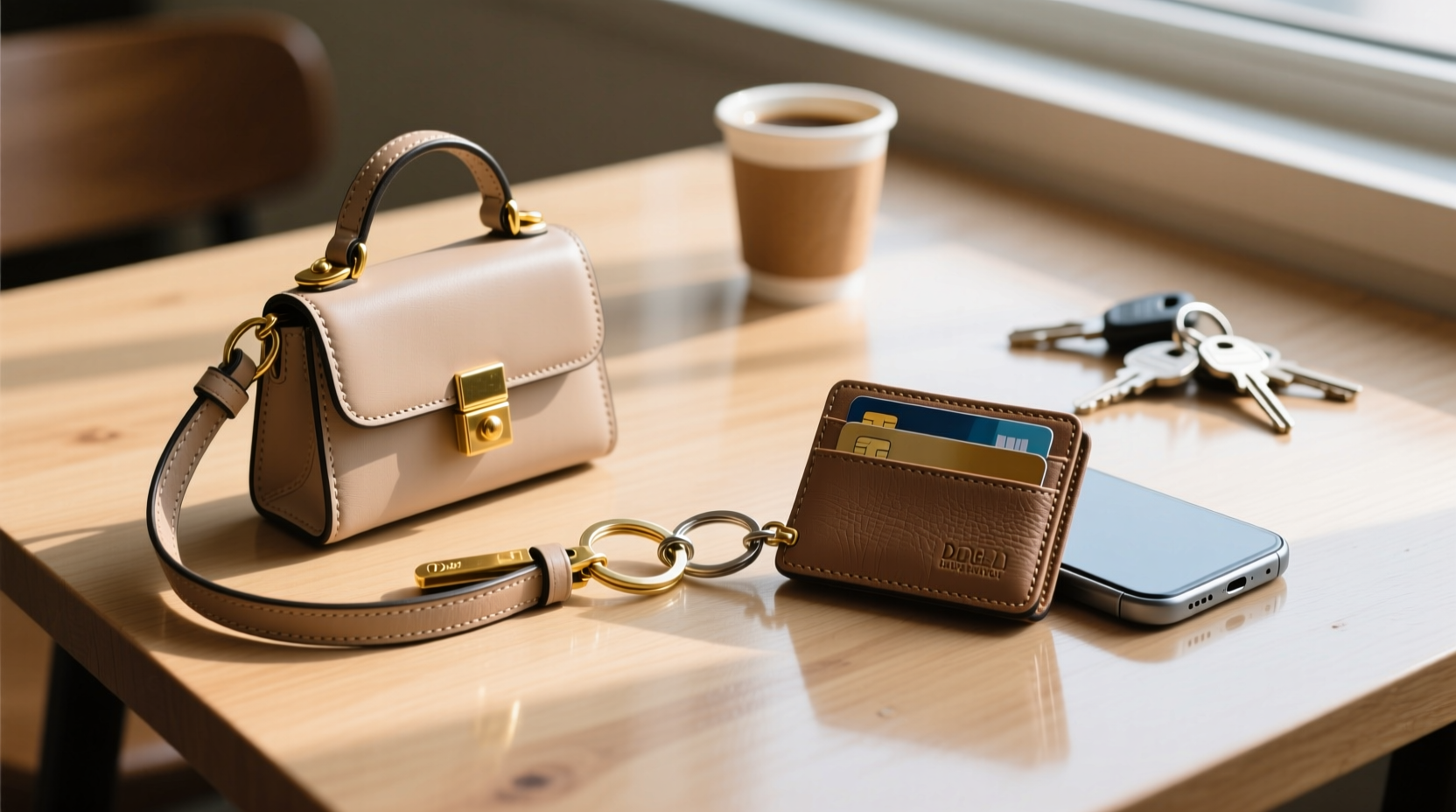
Handbag keychains have become more than just functional tools—they’re style statements. Positioned visibly on the outside of a bag, they often feature designer logos, playful tassels, or personalized charms. Their popularity surged alongside the rise of “quiet luxury” and curated aesthetics on platforms like Instagram and TikTok.
Many users prefer attaching keys directly to their handbags for quick access. This is especially common among women who carry crossbody bags, tote bags, or shoulder bags daily. The logic is simple: if your bag is always within reach, having keys clipped to its exterior means no digging through compartments when you need them.
Brands like Gucci, Coach, and Fossil have capitalized on this trend by selling premium leather key fobs and detachable charms that double as keyholders. These aren’t just practical; they’re collectible fashion items.
Why Wallet Keychains Are Gaining Ground
On the flip side, wallet keychains—compact retractable reels or slim loops attached inside or onto wallets—are gaining traction among minimalists, men, and tech-forward users. These prioritize discretion and security over visibility.
A wallet keychain keeps keys close but out of sight. For people who use cardholder wallets or money clips, integrating keys into the same system reduces bulk and streamlines daily carry. It also minimizes loss risk since wallets are less likely to be left behind than handbags.
According to a 2023 survey by Urban Accessory Trends, 42% of respondents aged 25–34 now keep their keys attached to their wallets, citing convenience and reduced clutter as top reasons. Among men, that number jumps to 61%, reflecting a broader cultural preference for consolidated essentials.
“People want fewer things in their hands, not more. Integrating keys into wallets aligns perfectly with the ‘one-touch’ philosophy of modern design.” — Lena Park, Product Strategist at CarryWell Labs
Functional Comparison: Key Features at a Glance
| Feature | Handbag Keychain | Wallet Keychain |
|---|---|---|
| Accessibility | High – visible and easy to grab | Moderate – requires opening wallet |
| Security | Lower – exposed, can snag or be stolen | Higher – stays with wallet, harder to lose |
| Fashion Impact | High – customizable, decorative | Low – discreet, utilitarian |
| Bulk Added | Minimal on person, added weight to bag | Increases wallet thickness slightly |
| Durability Risk | Can scratch bag lining or hardware | Rarely causes damage if compact |
Real-Life Usage Patterns: A Mini Case Study
Consider two professionals living in downtown Chicago:
- Sarah, 32, Marketing Director: Carries a structured leather tote every day. Her keys are clipped to the front D-ring with a gold charm keychain from her favorite boutique. She values quick access when entering buildings and likes how the keychain complements her outfit. “I don’t want to fumble,” she says. “And honestly, it looks cute.”
- James, 29, Software Developer: Uses a slim titanium wallet with a built-in key holder. He walks or bikes to work and hates carrying extra items. His keys are miniaturized and secured inside the wallet’s elastic loop. “If I lose my wallet, I lose everything—but that’s why I never let it go. The keys stay put.”
Their choices reflect different lifestyles. Sarah prioritizes speed and aesthetics; James emphasizes efficiency and consolidation. Neither is wrong—each solution fits their environment and habits.
Expert Tips for Choosing the Right Option
Selecting between a handbag and wallet keychain isn’t just about trendiness—it’s about matching your choice to your routine. Consider these factors before deciding:
- Daily Bag Type: If you use a backpack or briefcase without external attachment points, a wallet keychain may be more practical.
- Key Set Size: Large key rings with multiple keys add too much bulk to slim wallets. In such cases, a handbag clip is better.
- Security Concerns: In crowded areas, exposed keychains can be targets for pickpockets. Keeping keys inside a closed wallet adds a layer of protection.
- Weather Conditions: Outdoor elements like rain or snow can damage leather keychains on handbags. Opt for water-resistant materials or internal storage in harsh climates.
- Travel Frequency: Frequent travelers often prefer wallet-based systems to minimize loose items during airport security checks.
Checklist: How to Decide Between Handbag & Wallet Keychains
Use this checklist to determine the best fit for your lifestyle:
- ✅ Do you carry a handbag daily with external loops or D-rings? → Handbag keychain viable
- ✅ Is your wallet slim (fewer than 6 cards)? → Wallet keychain feasible
- ✅ Do you frequently enter secure buildings or cars needing fast key access? → Handbag wins
- ✅ Are you concerned about losing keys separately from your ID or cards? → Wallet integration recommended
- ✅ Do you value aesthetic customization? → Handbag offers more visual expression
- ✅ Do you travel often or commute via public transit? → Wallet keychain enhances control
Frequently Asked Questions
Can I use both a handbag and wallet keychain at the same time?
Yes, some people do—especially those who switch between bags or carry backup keys. However, this increases redundancy and the chance of misplacing one set. Most experts recommend consolidating keys into a single, reliable system unless necessity dictates otherwise.
Are wallet keychains bad for credit cards?
Generally, no—if designed well. Slim silicone loops or retractable reels won’t damage cards. Avoid bulky metal attachments that compress cards tightly, as prolonged pressure can demagnetize strips or warp chips over time.
Do handbag keychains damage bags?
Potentially. Metal keychains can scratch interior linings or finish, especially on suede or soft leather. To prevent damage, use padded key covers or place keys in an internal pocket instead of clipping them externally long-term.
Conclusion: What People Are Actually Using in 2024
The data shows a clear split: handbag keychains dominate among fashion-conscious users, particularly women who carry designer or statement bags. They offer instant access and serve as expressive accessories. Meanwhile, wallet keychains are rising in popularity among minimalists, men, and urban dwellers who prioritize streamlined carry and security.
In terms of actual usage, recent market analysis suggests that approximately **58% of handbag owners** use external keychains, while **roughly 45% of wallet users** integrate keys directly into their wallets—with overlap between groups. The trend is shifting toward hybrid solutions: micro key holders that attach to zippers, magnetic clips, or modular EDC (everyday carry) systems that balance visibility and compactness.
Ultimately, the choice depends on your lifestyle—not just what’s trending. Whether you clip, conceal, or consolidate, the goal is ease, reliability, and personal comfort.




 浙公网安备
33010002000092号
浙公网安备
33010002000092号 浙B2-20120091-4
Comments
No comments yet. Why don't you start the discussion?