
When preparing for a hike, selecting the right outerwear is as critical as choosing proper footwear or navigation tools. Among the most debated decisions in outdoor gear is whether to bring a hardshell or softshell jacket. Both serve essential roles in protecting you from the elements, but they are engineered for different conditions and activities. Understanding their strengths, limitations, and ideal use cases ensures you stay dry, warm, and mobile—no matter the terrain or forecast.
Understanding the Core Differences
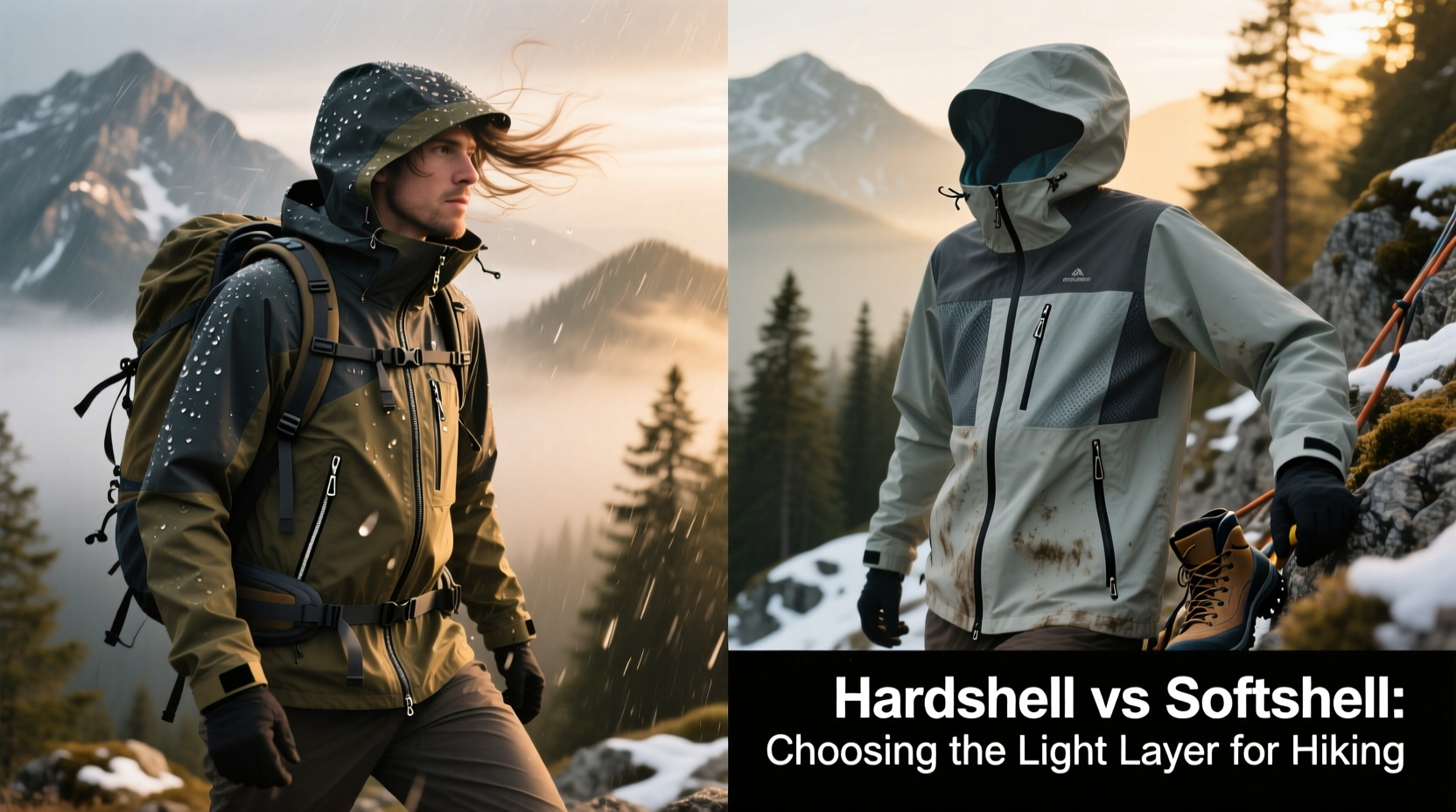
The fundamental distinction between hardshell and softshell jackets lies in their construction, intended purpose, and performance characteristics. While both offer protection, they prioritize different aspects of weather resistance and comfort.
Hardshell jackets are designed for maximum defense against wind, rain, and snow. They feature waterproof, breathable membranes such as Gore-Tex or proprietary equivalents, reinforced seams, and durable face fabrics. These jackets excel in severe weather but often sacrifice breathability and flexibility.
Softshell jackets, on the other hand, emphasize mobility, breathability, and moderate weather protection. Constructed from stretchy, brushed-back woven fabrics, they provide wind resistance and light moisture repellency while allowing sweat vapor to escape efficiently. However, they are not fully waterproof and can become saturated in prolonged downpours.
Performance Comparison: Where Each Jacket Excels
To make an informed decision, consider how each jacket performs across key criteria. The table below outlines the primary attributes of both types:
| Feature | Hardshell Jacket | Softshell Jacket |
|---|---|---|
| Water Resistance | Fully waterproof with taped seams and DWR coating | Water-resistant; sheds light rain but soaks through in heavy precipitation |
| Breathability | Moderate to good (depends on membrane quality) | Excellent due to knit or woven fabric structure |
| Wind Protection | Complete blockage with sealed zippers and storm flaps | Good, but not absolute; some airflow may penetrate |
| Durability | High—designed for rugged alpine environments | Moderate—more prone to abrasion and pilling |
| Mobility & Comfort | Stiffness varies; often less flexible | Highly flexible, stretchy, and comfortable against skin |
| Weight & Packability | Lightweight models exist, but bulkier when packed | Generally lighter and more compressible |
| Best For | Heavy rain, snow, high winds, exposed ridgelines | Cool, dry days; mixed conditions; active movement |
This comparison reveals that neither jacket is universally superior. Instead, the choice hinges on environmental demands and personal activity level.
When to Choose a Hardshell Jacket
Opt for a hardshell when the forecast calls for sustained precipitation or extreme exposure. These jackets are indispensable during:
- Hiking in persistent rain or snow
- Alpine climbing or traversing glacier terrain
- Expeditions above tree line where wind chill is severe
- Backpacking trips with no shelter access during storms
A hardshell acts as your final barrier against the elements. High-end models incorporate features like pit zips for ventilation, helmet-compatible hoods, and adjustable cuffs to enhance functionality. However, during high-output activities like steep ascents, even the best hardshells can trap heat and lead to internal condensation if not managed carefully.
“On Denali, a reliable hardshell isn’t optional—it’s survival gear. You need guaranteed waterproof protection when temperatures hover near zero and whiteouts roll in.” — Mark Thompson, IFMGA-Certified Mountain Guide
When to Choose a Softshell Jacket
Softshell jackets shine when mobility and breathability take precedence over total weatherproofing. They are ideal for:
- Fall or spring hikes with variable cloud cover
- Fast-paced trail running or scrambling
- Shoulder-season backpacking with low precipitation risk
- Layering under a hardshell in extreme cold
Because softshells allow moisture to escape quickly, they reduce clamminess during aerobic effort. Many hikers wear them as standalone pieces on cool, dry days or combine them with base layers in colder weather. Their brushed interiors also provide mild insulation, eliminating the need for a mid-layer in mild conditions.
However, softshells have clear limits. If caught in a sudden thunderstorm without shelter, you’ll likely get wet—especially if the rain lasts more than 20 minutes. This vulnerability makes them better suited as part of a layered system rather than a sole outer layer in unpredictable climates.
Real-World Scenario: A Weekend Hike in the Pacific Northwest
Consider a two-day backpacking trip in Washington’s Cascade Range. The forecast predicts partly cloudy skies with a 40% chance of afternoon showers. Temperatures will range from 45°F at night to 62°F during the day.
In this scenario, a hiker might start the morning in a softshell jacket. The air is crisp, and there’s a breeze, but no rain. As they ascend a ridge, wind increases, yet the softshell blocks gusts effectively while allowing sweat to evaporate during exertion. Midday, clouds thicken and light drizzle begins. At this point, the hiker pulls out a compact hardshell from their pack and layers it over the softshell. Now protected from soaking, they continue safely to camp.
This hybrid approach leverages the strengths of both jackets: comfort and breathability during activity, followed by full waterproofing when needed. It exemplifies smart layering strategy—adapting to changing conditions rather than relying on one piece to do everything.
Step-by-Step: How to Decide Which Jacket to Bring
Follow this logical sequence before every hike to determine the optimal outer layer:
- Check the weather forecast: Look for rain probability, wind speed, temperature, and humidity. Sustained rain = hardshell required.
- Assess trail exposure: Are you hiking through dense forest (less wind/rain impact) or across open alpine zones? Exposed routes demand greater protection.
- Evaluate your activity intensity: Will you be moving steadily uphill (high output) or taking long breaks? High exertion favors breathable softshells unless wet weather is expected.
- Review your layering system: Do you have a reliable mid-layer (fleece or insulated jacket)? A softshell may suffice if paired with insulation in cool, dry weather.
- Consider pack space and weight: Can you carry both? Ultralight backpackers may prioritize a versatile hardshell; others benefit from dual-layer flexibility.
- Make your decision: Choose based on worst-case conditions, not best-case hopes. Safety trumps comfort when storms arise.
Expert Tips for Maximizing Performance
No matter which jacket you choose, proper care and usage extend its lifespan and effectiveness:
- Reapply DWR (durable water repellent) treatment periodically to maintain beading on both shell types.
- Avoid excessive washing; clean only when necessary using technical garment detergent.
- Never store a damp jacket—dry thoroughly before packing to prevent mildew and membrane degradation.
- Use mesh laundry bags and gentle cycles to protect zippers and coatings during washing.
- Store jackets loosely in a closet, not compressed in a stuff sack for long periods.
Frequently Asked Questions
Can I wear a softshell in the rain?
You can in light or brief rain, especially if the jacket has a strong DWR finish. However, softshells are not fully waterproof and will eventually soak through during sustained precipitation. Carry a packable hardshell as backup if rain is possible.
Is a hardshell breathable enough for hiking?
Modern hardshells with high-quality membranes (e.g., Gore-Tex Pro, eVent) offer good breathability, but they still lag behind softshells. To minimize condensation, use pit zips, avoid overdressing underneath, and pace yourself to reduce sweat buildup.
Can I layer a softshell under a hardshell?
Absolutely—and it’s highly recommended in cold, wet conditions. The softshell adds warmth and wicks moisture, while the hardshell provides waterproof protection. Ensure both garments fit comfortably together without restricting movement.
Final Checklist: Choosing Your Hiking Jacket
Before heading out, ask yourself these questions:
- 🌧️ Is steady rain or snow in the forecast?
- → Yes: Bring a hardshell.
- 💨 Will you face strong winds on exposed terrain?
- → Yes: Hardshell offers superior wind blocking.
- 🏃♂️ Will you be hiking vigorously for long stretches?
- → Yes: Consider a softshell for breathability—or bring both.
- 🌡️ Are temperatures cool but precipitation unlikely?
- → Yes: A softshell alone may be sufficient.
- 🎒 Can you afford the weight and space of both jackets?
- → Yes: Carrying both maximizes adaptability.
Conclusion: Match the Jacket to the Mission
There is no single “best” jacket for hiking—only the right tool for the job. Hardshell jackets are non-negotiable in wet, storm-prone environments, offering unmatched protection when the weather turns hostile. Softshell jackets deliver superior comfort, breathability, and freedom of movement, making them ideal for dry, active adventures or as mid-layers in cold conditions.
The most effective hikers don’t rely on dogma—they assess conditions, understand their gear, and adapt. Whether you’re summiting a rain-lashed peak or cruising a sun-dappled ridge, choosing the right shell means staying safe, dry, and energized from trailhead to summit.




 浙公网安备
33010002000092号
浙公网安备
33010002000092号 浙B2-20120091-4
Comments
No comments yet. Why don't you start the discussion?