
Weed control is a constant challenge for homeowners, gardeners, and agricultural professionals alike. Among the most widely used herbicides, Roundup—whose active ingredient is glyphosate—has become a go-to solution for eliminating unwanted vegetation. But one of the most common questions users ask is: how long does it take for Roundup to show visible results? The answer depends on several factors, including weather conditions, plant type, application method, and product formulation. This comprehensive guide breaks down what to expect, when to expect it, and how to maximize effectiveness for lasting weed control.
Understanding How Roundup Works
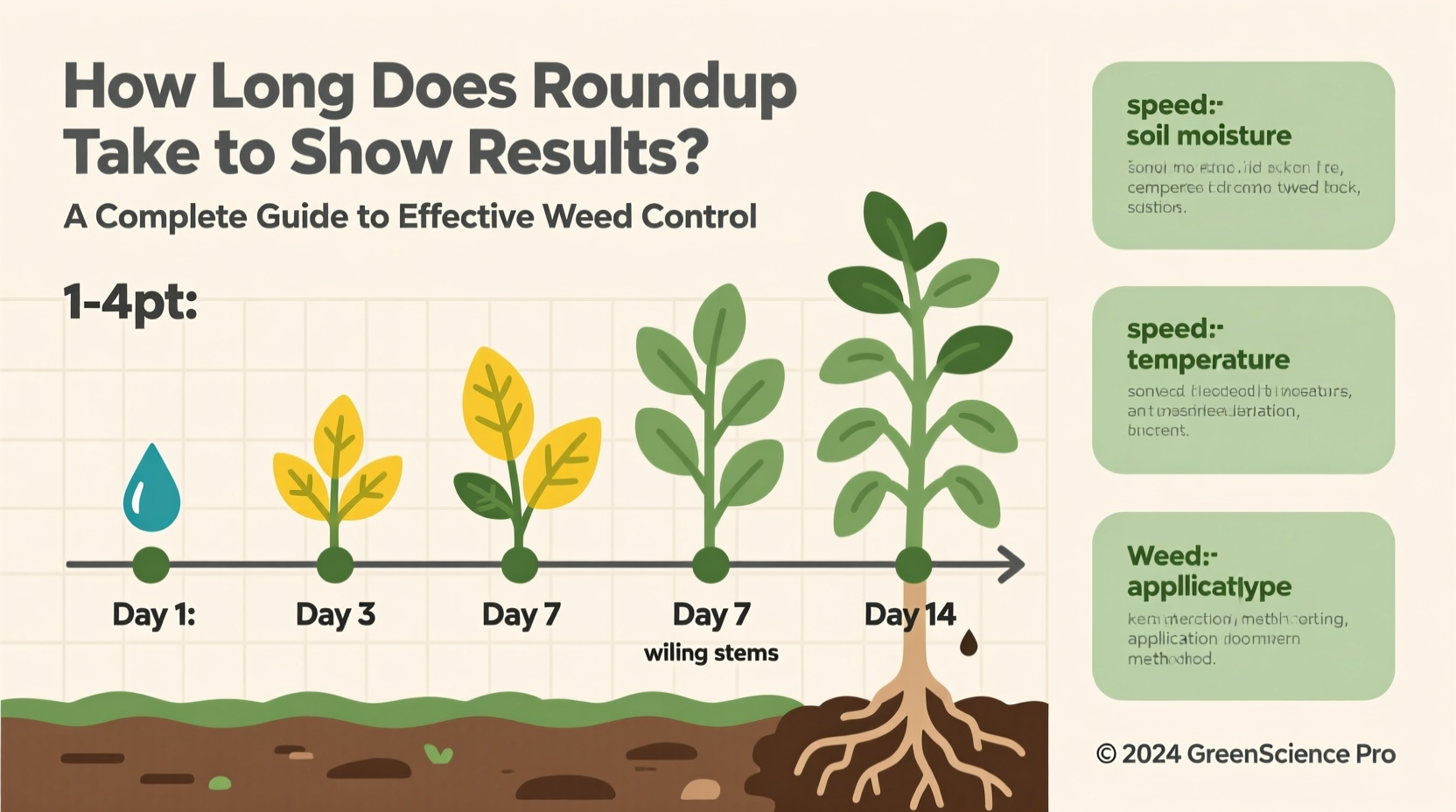
Roundup is a systemic, non-selective herbicide. Unlike contact killers that only damage the parts they touch, glyphosate is absorbed through the leaves and then travels throughout the plant, reaching the roots. This systemic action is key to killing perennial weeds that can regrow from root systems if not fully eradicated.
Once applied, glyphosate inhibits an enzyme pathway (the shikimic acid pathway) essential for plant growth. Without this pathway, the plant cannot produce certain amino acids needed for protein synthesis. Over time, this halts growth and leads to the plant’s death.
Because it's systemic, Roundup requires time to move through the plant. This process doesn’t happen instantly, which explains why visible results aren't immediate. Patience is necessary, but understanding the timeline helps set realistic expectations.
Typical Timeline for Visible Results
The speed at which Roundup works varies significantly based on environmental and biological factors. However, general timelines provide a reliable benchmark:
- 1–2 Days: Initial signs of stress may appear in sensitive annual weeds like crabgrass or dandelions. Leaves begin to yellow or wilt slightly.
- 3–5 Days: Most broadleaf weeds and grasses show clear discoloration, drooping, and browning. This is when the majority of visible change occurs.
- 7–14 Days: Perennial weeds such as bindweed, ivy, or thistle may take up to two weeks to die completely. Complete root kill is critical here to prevent regrowth.
- 2–3 Weeks: Treated areas should be free of green growth. Resistant species or poorly applied treatments might require a second application.
Keep in mind that cool temperatures, drought, or cloudy weather can slow down the process. Plants under stress absorb herbicides less efficiently, delaying results.
Factors That Influence Roundup’s Effectiveness
Not all applications yield the same results. Several variables determine how quickly and thoroughly Roundup eliminates weeds:
- Plant Type: Annual weeds generally die faster than perennials. Deep-rooted plants like brambles or morning glory need more time and sometimes repeated treatment.
- Weather Conditions: Ideal application occurs on calm, dry days with temperatures between 60°F and 85°F. High heat can cause rapid drying before absorption; cold slows metabolic activity.
- Time of Day: Early morning or late afternoon applications allow longer leaf wetness, improving uptake.
- Product Formulation: Some Roundup products include surfactants or accelerators that enhance penetration and speed up results.
- Application Coverage: Incomplete coverage means surviving plant tissue can regenerate. Spray evenly until leaves are wet but not dripping.
“Glyphosate needs time to translocate. Rushing reapplication within a week often does more harm than good—it wastes product and increases resistance risk.” — Dr. Laura Simmons, Extension Weed Specialist, University of Illinois
Step-by-Step Guide to Effective Roundup Application
To ensure optimal performance and timely results, follow this proven sequence:
- Identify the Weeds: Know whether you're dealing with annuals, perennials, or grasses. This determines treatment strategy and expected timeline.
- Choose the Right Product: Select a Roundup formula suited to your needs—ready-to-use for small areas, concentrate for large-scale use.
- Check Weather Forecast: Apply only when no rain is expected for at least 6 hours. Wind speeds below 10 mph reduce drift.
- Mix Properly (if using concentrate): Follow label instructions precisely. Too much concentration can damage soil biology; too little reduces efficacy.
- Spray Thoroughly: Cover all green foliage evenly. Avoid overspray on desirable plants.
- Wait Patiently: Allow 7–14 days before evaluating results. Do not mow or disturb treated areas during this period.
- Reapply if Necessary: For persistent weeds, a second application after 2–3 weeks may be needed. Never reapply within 7 days.
Do’s and Don’ts of Roundup Use
| Do’s | Don’ts |
|---|---|
| Apply during active plant growth | Use on windy days (risk of drift) |
| Wear protective gear (gloves, goggles) | Apply before expected rainfall |
| Spot-treat instead of blanket spraying | Over-apply trying to speed up results |
| Read and follow label instructions | Mix with other chemicals unless specified |
| Store in original container away from children | Allow pets or people on treated area until dry |
Real-World Example: Controlling Creeping Charlie in a Residential Lawn
A homeowner in Ohio struggled with creeping Charlie (ground ivy), a resilient perennial weed spreading rapidly across their lawn. They applied a standard Roundup concentrate on a warm, dry Saturday morning, ensuring full leaf coverage. Within 48 hours, the edges of the leaves began to curl and yellow. By day six, most of the mat had turned brown. After ten days, they raked out the dead vines and reseeded the area. A follow-up spot treatment two weeks later eliminated a few survivors. The entire process took three weeks, but the result was a clean slate for healthy grass regrowth. The key was patience and precise timing—not reapplying too soon and allowing the systemic action to work.
Frequently Asked Questions
Can I plant after using Roundup?
Yes. Glyphosate binds quickly to soil particles and becomes inactive. Most experts agree it’s safe to plant ornamentals, grass, or vegetables 3 days after application. For sensitive crops, waiting 5–7 days is recommended.
Why isn’t my weed dying after a week?
Possible reasons include poor coverage, application during dormancy, or recent mowing. Some weeds, especially those with waxy leaves or deep taproots, require multiple treatments. Check if the product was diluted correctly and if weather conditions were favorable.
Is Roundup safe for pets and kids?
Once dried, the risk is low. However, keep children and pets away during application and until the spray has dried completely (usually 30–60 minutes). Always store herbicides securely.
Maximizing Long-Term Weed Control
Roundup is effective, but sustainable weed management goes beyond a single spray. Combine chemical control with cultural practices:
- Maintain a dense, healthy lawn to naturally suppress weed emergence.
- Use mulch in garden beds to block sunlight from weed seeds.
- Hand-pull isolated weeds before they spread.
- Rotate herbicide modes of action if using regularly to reduce resistance development.
Overreliance on any single herbicide can lead to resistant weed populations. Integrating mechanical, cultural, and chemical methods ensures better long-term outcomes.
Conclusion
Roundup typically begins showing results within 1–3 days, with full weed death occurring in 7–14 days under ideal conditions. However, success depends on correct timing, proper application, and understanding the biology of the target weeds. Whether you’re clearing a driveway, reclaiming a garden bed, or managing field edges, knowing what to expect empowers smarter decisions and better outcomes.




 浙公网安备
33010002000092号
浙公网安备
33010002000092号 浙B2-20120091-4
Comments
No comments yet. Why don't you start the discussion?