
One clove of garlic does not directly equate to a full tablespoon—but understanding the precise conversion is essential for consistent flavor in cooking. Garlic is a cornerstone ingredient in global cuisines, prized for its pungent aroma, depth of flavor, and ability to transform simple dishes into complex culinary experiences. Yet, when recipes call for \"one clove\" while you're holding a jar of minced garlic or a spice jar of garlic powder, confusion arises. How much is too much? When can you substitute? And what’s the real volume of a single clove in standardized measurements?
The answer depends on the form of garlic used—fresh, minced, chopped, powdered, or jarred—and the size of the clove itself. This guide provides exact conversions, practical substitution ratios, and expert-backed advice for using garlic effectively across all forms, ensuring your sauces, stir-fries, roasts, and dressings are always balanced and flavorful.
Definition & Overview
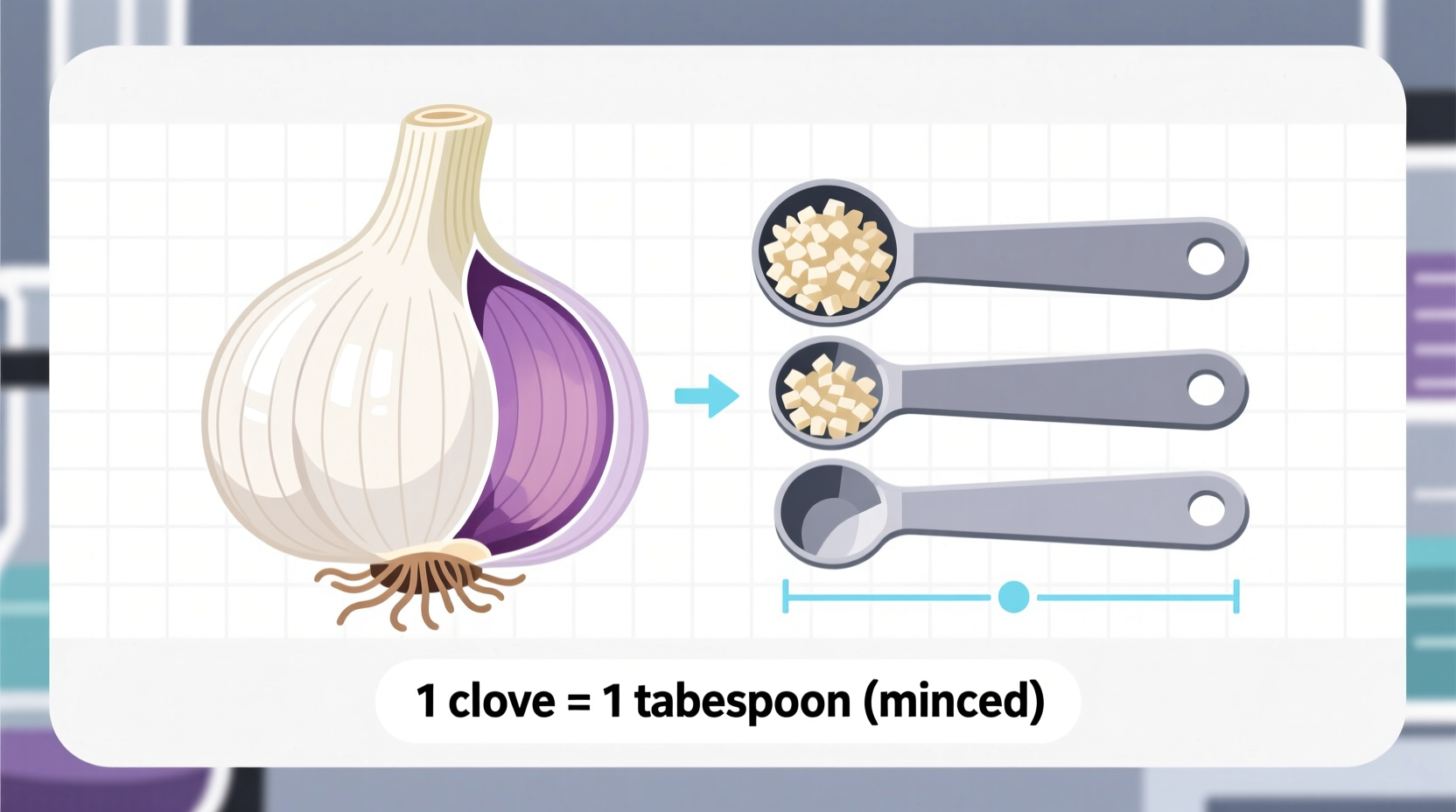
Garlic (Allium sativum) is a bulbous plant belonging to the lily family, closely related to onions, leeks, and shallots. It grows underground in clusters called heads or bulbs, each composed of individual segments known as cloves. The white or off-white flesh is encased in a papery skin and delivers a sharp, spicy bite when raw that mellows into a sweet, nutty richness when cooked.
Native to Central Asia, garlic has been cultivated for over 5,000 years and is now a staple in nearly every savory cuisine—from Italian pasta sauces and French aioli to Chinese stir-fries and Middle Eastern hummus. Its versatility spans raw applications, sautéing, roasting, pickling, and fermentation, making it indispensable in both home kitchens and professional restaurants.
Because garlic is rarely sold by weight and recipes often reference “cloves” rather than measurable units, cooks must translate biological variability into kitchen precision. A small clove may be half the size of a large one, leading to inconsistent results. Converting cloves to tablespoons—or teaspoons—offers a more reliable method for accurate seasoning.
Key Characteristics
- Flavor Profile: Pungent, spicy, and aromatic when raw; sweet, mellow, and umami-rich when roasted or sautéed.
- Aroma: Sharp and sulfurous when crushed or cut, developing deeper notes with heat.
- Color/Form: Off-white flesh with papery white or purple-tinged skin; available fresh, minced, granulated, powdered, or fermented (black garlic).
- Heat Level: Moderate to high pungency when raw; diminishes significantly with cooking.
- Culinary Function: Aromatic base (with onion and celery), flavor enhancer, natural preservative, and antimicrobial agent.
- Shelf Life: Fresh whole bulbs: 3–6 months in cool, dry storage; peeled cloves: 7–10 days refrigerated; minced garlic in oil: up to 2 weeks (risk of botulism if improperly stored).
Practical Usage: How Much Garlic Equals One Clove?
The volume of one garlic clove varies based on size and preparation method. For precise cooking, use these standardized conversions:
| Form of Garlic | Equivalent to 1 Medium Clove |
|---|---|
| Fresh whole clove (peeled) | Approx. 1/2 inch long x 1/3 inch wide |
| Fresh minced garlic | ≈ ½ teaspoon (2.5 mL) |
| Fresh chopped garlic | ≈ 1 teaspoon (5 mL) |
| Bottled minced garlic (jarred) | ≈ ½ teaspoon (use 1:1 for fresh minced) |
| Garlic powder | ≈ 1/8 teaspoon |
| Garlic granules | ≈ 1/4 teaspoon |
| Garlic paste | ≈ ½ teaspoon |
Using this data, **one medium clove of garlic yields about ½ teaspoon of minced garlic**—meaning it would take **six cloves to make one full tablespoon of minced garlic**. This is the critical conversion: 1 tablespoon = 6 medium cloves (minced).
This ratio applies when substituting fresh garlic in recipes calling for larger volumes. For example, if a recipe requires 1 tablespoon of minced garlic, you’ll need approximately six average-sized cloves, peeled and finely minced.
Pro Tip: To maximize flavor extraction, crush garlic with the side of a knife before mincing. This ruptures cell walls, releasing allicin—the compound responsible for garlic’s signature aroma and health benefits.
Step-by-Step: Measuring Garlic Without a Scale
- Select cloves of similar size. Medium cloves are roughly 1/2 inch in length and 1/3 inch in diameter.
- Peel the clove. Remove the papery skin by pressing gently with the flat side of a chef’s knife. <3> Chop or mince finely. Use a rocking knife motion for even pieces.
- Spoon into a measuring spoon. Level off minced garlic with the back of a knife for accuracy.
- Adjust for form. If using garlic powder, remember: 1/8 tsp powder ≈ 1 clove; never substitute 1:1 by volume.
Variants & Types of Garlic
Garlic comes in multiple forms, each suited to different culinary needs. Understanding their differences ensures proper usage and prevents overpowering or under-seasoning dishes.
1. Fresh Whole Garlic
The most common form, sold in heads containing 10–20 cloves. Ideal for roasting, sautéing, or crushing. Offers the fullest flavor and longest shelf life when stored properly.
2. Minced or Chopped Fresh Garlic (Pre-Packaged)
Found in refrigerated sections, this saves prep time but may include preservatives like citric acid. Flavor is slightly less vibrant than freshly minced but convenient for weeknight meals.
3. Garlic Paste
A smooth puree often sold in tubes. Highly concentrated and easy to dispense. One ½-teaspoon squeeze typically equals one clove. Excellent for marinades and rubs.
4. Garlic Powder
Dried and ground dehydrated garlic. More concentrated than fresh but lacks moisture and volatile oils. Best used in dry rubs, soups, and stews where rehydration occurs during cooking.
5. Garlic Granules
Larger particles than powder, resembling coarse sand. Slower to dissolve, ideal for longer-cooking dishes. Milder than powder.
6. Black Garlic
Fermented garlic aged under controlled heat and humidity. Turns black, develops a sticky texture, and tastes sweet with balsamic and tamarind notes. Used in gourmet applications, not a direct substitute for raw garlic.
7. Pickled Garlic
Cloves preserved in vinegar or brine. Tangy and less pungent. Common in antipasti and Mexican salsas.
| Type | Best Used In | Substitution Ratio (per 1 clove) |
|---|---|---|
| Fresh Minced | Sautéed bases, dressings, sauces | ½ tsp |
| Garlic Paste (tube) | Marinades, stir-fries, curries | ½ tsp |
| Garlic Powder | Dry rubs, soups, casseroles | 1/8 tsp |
| Garlic Granules | Stews, slow-cooked dishes | ¼ tsp |
| Pickled Garlic | Salads, sandwiches, charcuterie | 1 clove (drained) |
| Black Garlic | Garnishes, gourmet plating | Not interchangeable |
Comparison with Similar Ingredients
Garlic is often confused with other alliums or substituted incorrectly due to overlapping flavor profiles. Here’s how it differs from commonly mistaken counterparts:
- Shallots: Sweeter and more delicate than garlic; often used raw in vinaigrettes. Not a substitute for garlic’s punch but can complement it.
- Onions: Larger, bulkier, and less intense. White or yellow onions provide sweetness and structure; garlic adds aroma and heat.
- Garlic Salt: A blend of garlic powder and table salt (typically 3:1 salt-to-garlic ratio). Do not substitute 1:1 for fresh garlic. Adjust sodium accordingly.
- Leeks: Mild and vegetal; used as a base like garlic but require longer cooking and thorough cleaning.
- Chives: Delicate, grassy-flavored green; used as a garnish. No pungency or depth comparable to garlic.
“Fresh garlic cannot be perfectly replicated by any dried form. The volatile sulfur compounds that give garlic its magic dissipate upon drying. Use fresh whenever possible—especially in raw applications.” — Chef Elena Rodriguez, Culinary Institute of America
Practical Tips & FAQs
Can I substitute bottled minced garlic for fresh?
Yes, in a 1:1 ratio by volume. One teaspoon of bottled minced garlic equals three cloves (or 1½ teaspoons minced fresh). However, flavor intensity may vary due to preservatives. Taste as you go.
Does garlic size really matter?
Yes. A small clove may yield only ¼ teaspoon minced, while a jumbo clove can reach ¾ teaspoon. When precision matters (e.g., fermenting, canning, or spice blends), weigh cloves: one medium clove weighs ~7 grams.
How do I store fresh garlic?
Keep whole bulbs in a cool, dark, well-ventilated place—never the refrigerator. Avoid plastic bags; use mesh or wire baskets. Peeled cloves can be stored in an airtight container in the fridge for up to 10 days.
Is jarred minced garlic safe?
Commercially prepared jarred garlic is acidified and pasteurized, making it safe for shelf storage. Homemade garlic-in-oil mixtures carry a botulism risk unless refrigerated and used within 7 days.
What’s the best way to peel garlic quickly?
Place cloves in a sealed container and shake vigorously, or microwave for 10 seconds to loosen skins. Alternatively, use a silicone garlic peeler tube rolled between palms.
How much garlic is too much?
Raw garlic should be used sparingly—more than 4 cloves per serving may cause digestive discomfort. Cooked garlic is gentler. Balance strong flavors with fat (olive oil, butter) or acid (lemon juice, vinegar).
Can I freeze fresh garlic?
Yes. Freeze whole unpeeled cloves (they’ll soften but retain flavor), or mince and freeze in ice cube trays with oil or water. Thaw before use or add directly to hot pans.
Storage Hack: Freeze garlic paste in silicone molds. Pop out one-clove portions as needed—ideal for sauces, soups, and weekday cooking.
Summary & Key Takeaways
Understanding how many tablespoons equal one clove of garlic empowers cooks to scale recipes accurately and maintain consistent flavor. While a single medium clove yields about ½ teaspoon of minced garlic—making six cloves equivalent to one tablespoon—the form of garlic used dramatically affects substitution accuracy.
Always consider the type: fresh minced, bottled, powdered, or paste—each has distinct potency and application. Never substitute garlic powder 1:1 with fresh; instead, use 1/8 teaspoon powder per clove. Store fresh garlic properly to extend shelf life, and reserve dried or processed forms for convenience-driven cooking.
Ultimately, garlic’s role extends beyond measurement—it’s a foundational flavor builder. Whether you’re roasting a head for spreadable sweetness or mincing two cloves for a quick pasta aglio e olio, precision enhances performance. Use this guide as a reference to demystify garlic conversions and elevate your culinary results with confidence.




 浙公网安备
33010002000092号
浙公网安备
33010002000092号 浙B2-20120091-4
Comments
No comments yet. Why don't you start the discussion?