
Tracking a mobile device’s location using only a phone number is a topic surrounded by myths, misinformation, and privacy concerns. While Hollywood might portray instant GPS pinpointing with just a number, the reality is more nuanced. However, under the right circumstances and with proper tools, it is possible to estimate or confirm a device’s location through legitimate means. This guide breaks down practical, ethical, and legally compliant approaches to tracking a mobile location by phone number.
Understanding the Limitations of Phone Number-Based Tracking
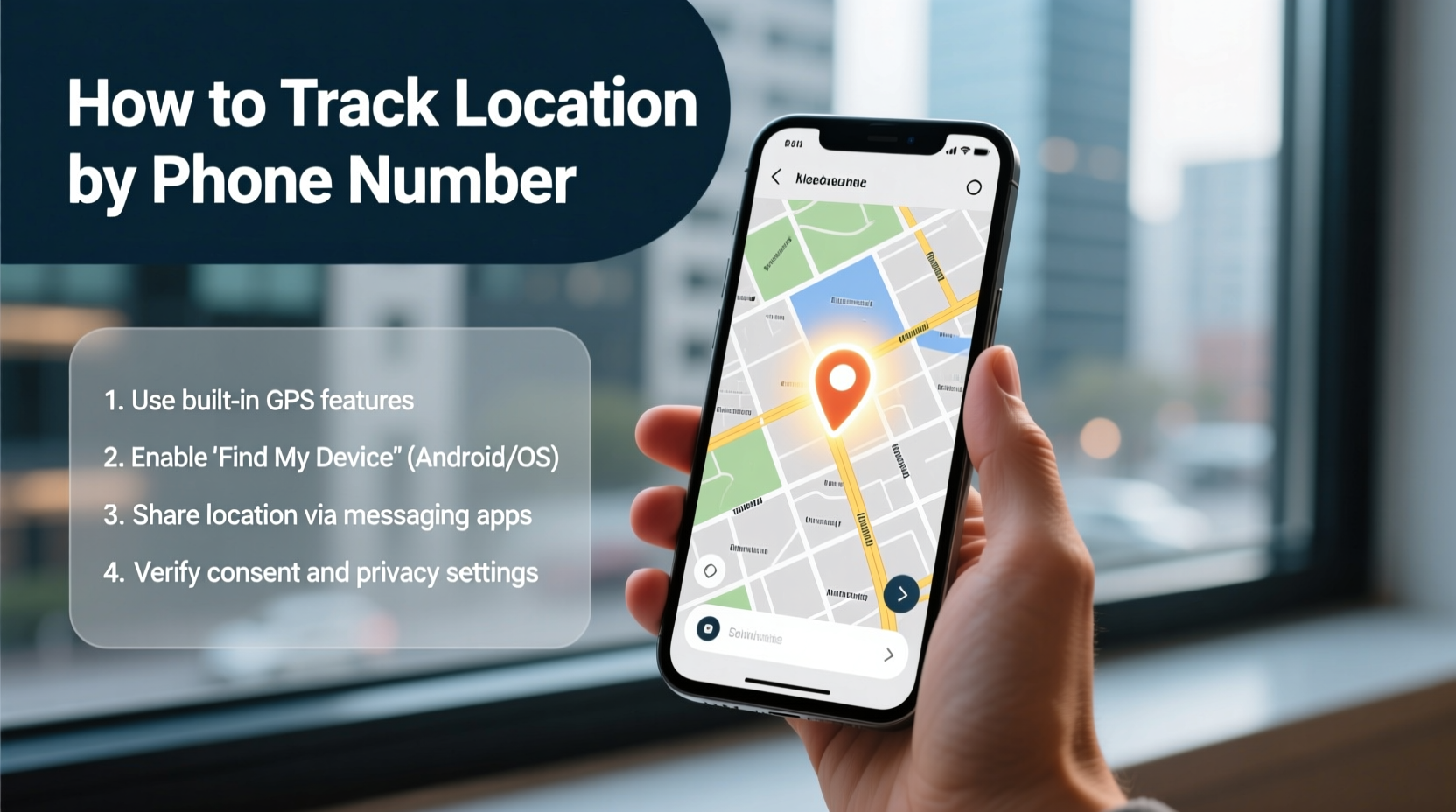
It's important to recognize that a phone number alone does not directly reveal a device’s real-time GPS coordinates. Unlike IP-based geolocation or app-level tracking, carrier-linked numbers provide limited access to location data without additional technology or permissions. Mobile networks can approximate a device’s position based on cell tower triangulation, but this method lacks precision—often within hundreds of meters or even kilometers.
Furthermore, strict privacy laws such as GDPR in Europe and CCPA in California restrict unauthorized access to personal location data. Any attempt to track someone without consent may violate these regulations and result in legal consequences.
Legitimate Methods to Track Mobile Location by Phone Number
The most effective tracking methods rely on cooperation, installed software, or integrated services—not just the phone number itself. Below are four reliable approaches used in everyday scenarios.
1. Use Built-in Device Locator Services
Both Android and iOS offer free, secure location services tied to user accounts. These require prior setup but can be accessed using the associated phone number or email.
- Find My Device (Android): Google’s service allows users to locate, ring, lock, or erase a lost Android phone via google.com/android/find.
- Find My (Apple): Apple users can track iPhones, iPads, and Macs from iCloud.com/find using the Apple ID linked to the device.
While these don’t work purely from a number, knowing the number often helps identify the correct account or recover login details if authorized.
2. Carrier-Assisted Location Services
Mobile carriers maintain logs of which cell towers a device connects to. In emergencies, they can provide approximate location data. Law enforcement agencies regularly use this method during investigations.
Civilian access is restricted, but family plans or parental control subscriptions (like Verizon Smart Family or AT&T Secure Family) allow guardians to view the real-time location of devices on their account—provided the number is part of that plan.
“Carriers hold location data primarily for network optimization and emergency response—not public tracking.” — James Lin, Telecommunications Security Analyst
3. Third-Party Tracking Apps with Consent
Applications like Life360, Find My Friends (iOS), or Google Maps’ location sharing enable real-time tracking when both parties agree. These apps use GPS, Wi-Fi, and cellular data for high accuracy.
To use them effectively:
- Install the app on the target device.
- Log in with an account accessible to the tracker.
- Enable continuous location sharing.
4. SMS-Based Geolocation Tools
Certain platforms send a link via SMS to request location information. When the recipient clicks the link (e.g., “Share your location”), their browser requests permission to access GPS data, which is then relayed back to the sender.
This method depends entirely on user interaction. It cannot force location disclosure but works well for informal coordination—such as meeting up with friends or checking on elderly relatives.
Step-by-Step Guide: How to Locate a Phone with Its Number (Ethically)
Follow this sequence to responsibly attempt location tracking:
- Determine Purpose: Is this for safety, recovery, or monitoring? Ensure intent aligns with legal and ethical standards.
- Check Account Access: If the device uses Google or Apple services, try signing into Find My Device or Find My using credentials associated with the number.
- Contact Carrier: For emergencies involving minors or vulnerable individuals, contact the service provider with proof of relationship.
- Use Shared Location Apps: If ongoing tracking is needed, install a mutual tracking app with full consent.
- Involve Authorities: If the person is missing or in danger, report to local police who can request carrier data legally.
Do’s and Don’ts of Mobile Location Tracking
| Do’s | Don’ts |
|---|---|
| Obtain explicit permission before installing tracking software. | Never spy on a partner, employee, or child without transparency. |
| Use tracking for safety purposes (e.g., dementia patients, teens). | Avoid fake locator websites promising \"instant GPS from number.\" |
| Leverage built-in OS features like Find My or Find My Device. | Don’t download unverified third-party apps claiming stealth tracking. |
| Update passwords and secure accounts linked to tracking services. | Never share tracked data publicly or misuse collected information. |
Mini Case Study: Recovering a Lost Phone Using Number and Cloud Services
Sarah, a college student, misplaced her phone after a campus event. She remembered her number and had previously enabled Find My Device. From a library computer, she visited android.com/find and signed in with her Google account—linked to her phone number. Within seconds, she saw her device marked near the student union building. She used the “Play Sound” feature, retrieved it from a lost-and-found desk, and avoided data loss. Her proactive setup made all the difference.
This case illustrates how pairing a known number with cloud-based services enables fast, accurate recovery—without invasive tools or legal risks.
Frequently Asked Questions
Can I track any phone number online for free?
No legitimate free service can accurately track a mobile device in real time using only a number. Websites claiming otherwise often collect data, spread malware, or mislead users. Accurate tracking requires either device access, account credentials, or user consent.
Is it legal to track someone using their phone number?
It is legal only when done with consent or under lawful authority (e.g., parents tracking underage children, employers monitoring company-owned devices). Unauthorized tracking violates privacy laws and can lead to criminal charges.
What should I do if someone is tracking me without consent?
Immediately review installed apps, revoke unknown permissions, and perform a factory reset if necessary. Check for suspicious SMS messages or links. Report the incident to your carrier and local authorities if harassment or stalking is suspected.
Conclusion: Responsible Tracking Starts with Respect
Accurately tracking a mobile location by phone number isn’t about hacking or secrecy—it’s about preparation, trust, and responsible technology use. Whether safeguarding a loved one, recovering a lost device, or managing a family plan, the most effective solutions are transparent, legal, and built on cooperation.
Instead of searching for shortcuts or dubious tools, invest time in setting up verified services like Find My, Life360, or Google Location Sharing—with everyone’s informed agreement. Technology works best when it enhances safety without compromising dignity.




 浙公网安备
33010002000092号
浙公网安备
33010002000092号 浙B2-20120091-4
Comments
No comments yet. Why don't you start the discussion?