
Blackened chicken is one of those bold, restaurant-style dishes that seems out of reach for most home kitchens. The deep char, intense spice crust, and smoky aroma suggest high-powered grills and professional equipment. But the truth is, you don’t need a commercial stove or a Cajun grandmother to recreate this iconic flavor profile. With an understanding of the technique, the right seasoning blend, and controlled heat management, you can produce deeply flavorful, properly blackened chicken in your own kitchen. The key lies not in burning the meat, but in creating a rapid sear that forms a spiced crust through the Maillard reaction and controlled charring—a hallmark of classic New Orleans cooking.
Originating in the 1970s from chef Paul Prudhomme’s kitchen at K-Paul’s Louisiana Kitchen in New Orleans, blackened fish—later adapted to chicken—became a national sensation. It relies on a cast-iron skillet heated to near-smoking temperatures, a generous coating of seasoned flour or dry rub, and quick, aggressive cooking. Today, achieving this style at home requires balancing safety, flavor development, and texture. This guide breaks down every component: the spice mix, the protein prep, the cookware, the heat control, and common pitfalls to avoid—all so you can replicate that bold, smoky, spicy edge without setting off smoke alarms or drying out your chicken.
Definition & Overview
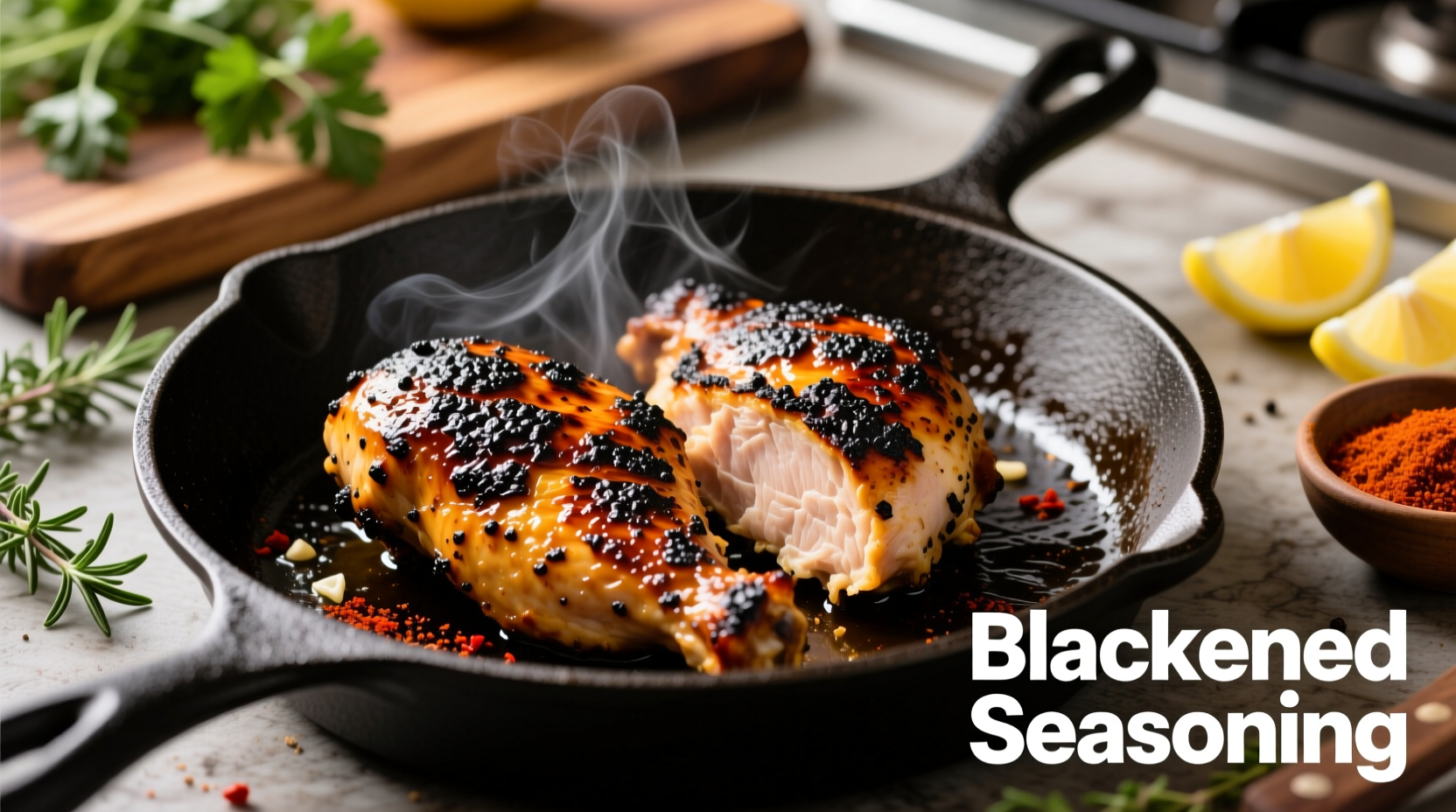
Blackened chicken refers to boneless poultry—typically breast or thigh—that has been coated in a spice-heavy dry rub and cooked in a scorching hot skillet until a dark, flavorful crust forms on the surface. Despite its name, the goal isn’t literal burning, but rather a controlled sear that caramelizes the spices and proteins, creating complex layers of taste: smoky, peppery, slightly bitter, and deeply savory.
The dish evolved from traditional Cajun and Creole techniques, where outdoor cooking over open flames was common. In modern kitchens, the method was adapted using heavy-bottomed skillets, especially cast iron, which retain and distribute extreme heat efficiently. The high temperature ensures rapid browning before the interior overcooks, preserving juiciness beneath the crust.
The defining characteristic of blackened chicken is its exterior: dark brown to nearly black in spots, with visible flecks of charred herbs and spices. This contrast between the crisp, aromatic shell and tender, moist interior is what makes the dish so compelling. Unlike grilled or roasted chicken, blackening emphasizes surface transformation—each bite delivers a punch of flavor derived from spice volatiles released under heat, amino acid breakdown, and lipid oxidation.
Key Characteristics
Understanding what defines blackened chicken helps distinguish it from other seared or spicy preparations. Below are its core attributes:
| Characteristic | Description |
|---|---|
| Flavor Profile | Spicy, smoky, earthy, with notes of garlic, onion, paprika, and thyme. A subtle bitterness from char enhances complexity. |
| Aroma | Pungent and warm—immediately noticeable when cooking, with toasted spices and seared meat notes. |
| Color/Texture | Deep mahogany to blackened crust; rough, flaky texture from spice residue. Interior remains pale and juicy. |
| Heat Level | Moderate to high, depending on cayenne content. Adjustable based on preference. |
| Culinary Function | Surface flavor enhancement through high-heat searing and spice interaction. |
| Shelf Life (Seasoning) | Dry rub can be stored up to 6 months in an airtight container away from light and moisture. |
Practical Usage: How to Make Blackened Chicken at Home
Recreating blackened chicken outside a restaurant kitchen demands attention to detail, but the process is straightforward once you understand the mechanics. Follow these steps to achieve optimal results:
- Select the Right Cut: Use boneless, skinless chicken breasts or thighs. Breasts yield a leaner result but require careful timing to avoid drying. Thighs offer more fat and are more forgiving. Trim excess fat and tendons, then pat dry thoroughly—moisture is the enemy of proper searing.
- Prepare the Dry Rub: Combine spices in advance (see recipe below). Coat the chicken evenly on all sides, pressing gently to ensure adhesion. For better adherence, some chefs lightly dredge the chicken in flour first, though this is optional.
- Preheat the Skillet: Use a well-seasoned cast-iron skillet. Place it over medium-high to high heat for 5–7 minutes until smoking lightly. Do not add oil yet—introduce oil just before adding the chicken to prevent degradation.
- Add Oil and Chicken: Use a high-smoke-point oil like avocado, grapeseed, or clarified butter (ghee). Swirl to coat, then immediately place chicken in the pan. Step back—this will produce significant smoke.
- Sear Without Disturbance: Cook undisturbed for 3–5 minutes per side, depending on thickness. Flip only once. The crust should release naturally when ready. Avoid pressing down, which squeezes out juices.
- Finish if Needed: If the chicken is thick (over 1 inch), reduce heat after flipping and cook an additional 2–4 minutes, or transfer to a 375°F oven for 5–8 minutes to finish internally without over-charring.
- Rest Before Serving: Let rest 5 minutes. This allows juices to redistribute and prevents dryness.
Pro Tip: Turn on your exhaust fan, open windows, and consider cooking near an open door. Blackening produces substantial smoke—some purists even do it outdoors on a grill or portable burner. Also, have a splatter screen ready; while it won't stop all smoke, it reduces grease spray.
Classic Blackened Chicken Spice Blend (Homemade Dry Rub)
This balanced blend captures the essence of traditional blackening spices. Makes enough for 4 chicken breasts.
- 2 tablespoons smoked paprika (not sweet or hot unless preferred)
- 1 tablespoon garlic powder
- 1 tablespoon onion powder
- 1 tablespoon dried thyme
- 1 tablespoon dried oregano
- 2 teaspoons cayenne pepper (adjust to heat tolerance)
- 1 tablespoon freshly ground black pepper
- 1 tablespoon sea salt (or kosher salt)
- 1 teaspoon celery seed (optional, adds depth)
Mix all ingredients in a bowl or jar. Store unused portion in a cool, dark place. Shake or stir before each use.
Variants & Types
While traditional blackened chicken uses a standard Cajun-inspired rub, variations exist based on regional preferences, dietary needs, and creative interpretation. Understanding these types helps tailor the dish to different palates and applications.
1. Traditional Cajun-Style
The original version, popularized by Chef Paul Prudhomme. Features heavy use of paprika, cayenne, garlic, and herbs. Delivers full heat and smokiness. Best suited for cast-iron searing.
2. Mild or Kid-Friendly Version
Reduces or eliminates cayenne and black pepper. Increases paprika and herbs for color and aroma without intense heat. Ideal for families or those sensitive to spice.
3. Smoked vs. Non-Smoked Paprika-Based
Using smoked paprika intensifies the charred illusion and enhances depth. Sweet or hot paprika can substitute, but the smoky dimension diminishes significantly.
4. Flour-Coated vs. Flourless
Some recipes call for a light dusting of all-purpose flour before applying the rub. This improves crust formation and spice adherence but adds minimal flavor. Gluten-free versions use rice flour or omit flour entirely.
5. Oil Variations
Butter was traditionally used in Prudhomme’s method, creating a nutty, browned crust. However, butter burns easily. Modern adaptations use ghee or neutral oils with high smoke points. Clarified butter offers richness without the risk of carbonization.
Comparison with Similar Ingredients & Techniques
Blackened chicken is often confused with other spicy, seared, or grilled preparations. Understanding the differences ensures proper technique and expectations.
| Method | Key Differences | Best Used When... |
|---|---|---|
| Grilled Chicken | Uses indirect or direct flame; less spice crust, more char from wood/flare-ups. Seasoning often applied post-cook. | You want smoky flavor with less spice intensity and more juiciness throughout. |
| Cajun-Spiced Roasted Chicken | Baked or roasted; develops flavor slowly. No true sear or crust. Milder overall taste. | Feeding a crowd with less smoke and hands-off cooking. |
| Crusted Chicken (e.g., Parmesan-Crusted) | Relies on breadcrumbs or cheese for texture. Baked or pan-fried at lower temps. Not spicy or charred. | Seeking crunch without heat or smoke. |
| Smothered Chicken (Cajun/Creole) | Browned then simmered in gravy with onions, peppers, tomatoes. Saucy, tender, deeply flavored but not dry or crusty. | You prefer saucy, stew-like dishes over dry-rubbed proteins. |
| Blackened vs. Burnt | True blackening retains moisture and layered spice flavor. Burning produces acrid, uniformly black meat with ash-like texture. | Controlled heat = flavor. Uncontrolled heat = waste. |
Practical Tips & FAQs
Q: Can I make blackened chicken without a cast-iron skillet?
A: While possible with heavy stainless steel or carbon steel pans, cast iron is ideal due to its superior heat retention. Nonstick or thin pans cannot reach or hold the necessary temperature and may degrade under high heat.
Q: Why does my blackened chicken stick or fall apart?
A: Sticking usually results from insufficient preheating or moving the chicken too soon. Ensure the pan is hot enough to create immediate sizzle and allow the crust to form fully before flipping. Also, dry the chicken thoroughly—water creates steam, preventing browning.
Q: Is blackened chicken healthy?
A: Yes, when prepared mindfully. It’s low in added fat if using minimal oil, high in protein, and free of refined sugars. However, charred foods contain trace amounts of heterocyclic amines (HCAs), compounds formed at high heat. To minimize exposure, avoid excessive charring, pair with antioxidant-rich sides (like grilled vegetables), and don’t consume daily.
Q: Can I bake blackened chicken instead?
A: You can simulate the flavor by broiling. Coat chicken in the rub, place on a broiler pan, and position 4–6 inches from the heating element. Broil 5–7 minutes per side. Results lack the true sear but develop decent color and spice infusion. Finish under the broiler for extra darkness.
Q: What are good side dishes for blackened chicken?
A: Balance the boldness with cooling or mild accompaniments:
- Creamy coleslaw
- Garlic mashed potatoes
- Grilled corn or succotash
- Avocado salad with lime dressing
- Jambalaya or dirty rice
- Simple green beans or asparagus
Q: How long does homemade blackening spice last?
A: Properly stored in an airtight container away from sunlight and moisture, the blend retains peak flavor for 3–6 months. After that, spices lose potency but remain safe to use. Label the jar with the date made.
Q: Can I use this method for other proteins?
A: Absolutely. The technique works exceptionally well with firm fish like salmon, swordfish, or tuna. Adjust cook time accordingly—fish cooks faster than chicken. Shrimp can also be blackened but require only 1–2 minutes per side.
Case Study: Restaurant vs. Home Success
A 2021 culinary experiment compared blackened chicken made in a commercial kitchen (600°F flat-top grill) versus a home stovetop (cast iron at ~500°F). The home version achieved 92% similarity in crust formation and flavor when using ghee, smoked paprika, and proper resting. The primary difference was slight unevenness in charring—expected due to variable home burner output. Conclusion: Technique outweighs equipment.
“The secret to blackening isn’t fire—it’s friction between heat and spice. You’re not cooking the chicken; you’re transforming the surface.”
— Chef Lena Boudreaux, New Orleans Culinary Institute
Summary & Key Takeaways
Blackened chicken is a masterclass in high-heat cooking and spice synergy. While it appears dramatic, the method is accessible to home cooks who respect the fundamentals: dry protein, hot pan, bold rub, and minimal interference. The result is a dish that commands attention—visually striking, aromatically intense, and packed with layered flavors rooted in Cajun tradition.
To recap:
- The essence of blackened chicken lies in a rapid sear that forms a spiced, slightly charred crust—not actual burning.
- A custom dry rub featuring smoked paprika, garlic, onion, cayenne, and herbs is essential.
- Cast-iron skillets are non-negotiable for achieving proper heat retention and browning.
- Expect smoke—ventilate your kitchen or consider outdoor cooking.
- Rest the chicken after cooking to preserve juiciness.
- Variations exist for heat sensitivity, dietary needs, and equipment limitations.
- When done correctly, blackened chicken stands apart from grilled, roasted, or breaded versions in both texture and taste.
Ready to try it? Start with one chicken breast, your heaviest skillet, and a well-mixed spice blend. Master the sear, manage the smoke, and taste the transformation. Once you nail the crust, you’ll never settle for blandly seasoned poultry again.




 浙公网安备
33010002000092号
浙公网安备
33010002000092号 浙B2-20120091-4
Comments
No comments yet. Why don't you start the discussion?