
There’s a quiet magic in the way light dances through frost-kissed branches or glimmers from beneath pine needles on a winter evening. That same enchantment can be brought indoors—right to the base of your Christmas tree—with the simple addition of mini lanterns. More than just decorative accents, these tiny luminaries evoke the warmth of storybook villages, forest clearings under moonlight, and cottages tucked into snowy hillsides. When thoughtfully arranged, mini lanterns create an immersive ambiance that turns an ordinary tree into a centerpiece of wonder.
The appeal lies not only in their glow but in their versatility. Whether you’re aiming for rustic woodland charm, vintage elegance, or whimsical fantasy, mini lanterns adapt beautifully. They invite imagination, soften hard edges, and ground your tree in a narrative—like the opening page of a beloved fairy tale. With careful placement and complementary styling, they become more than decor; they become storytelling devices.
Selecting the Right Mini Lanterns
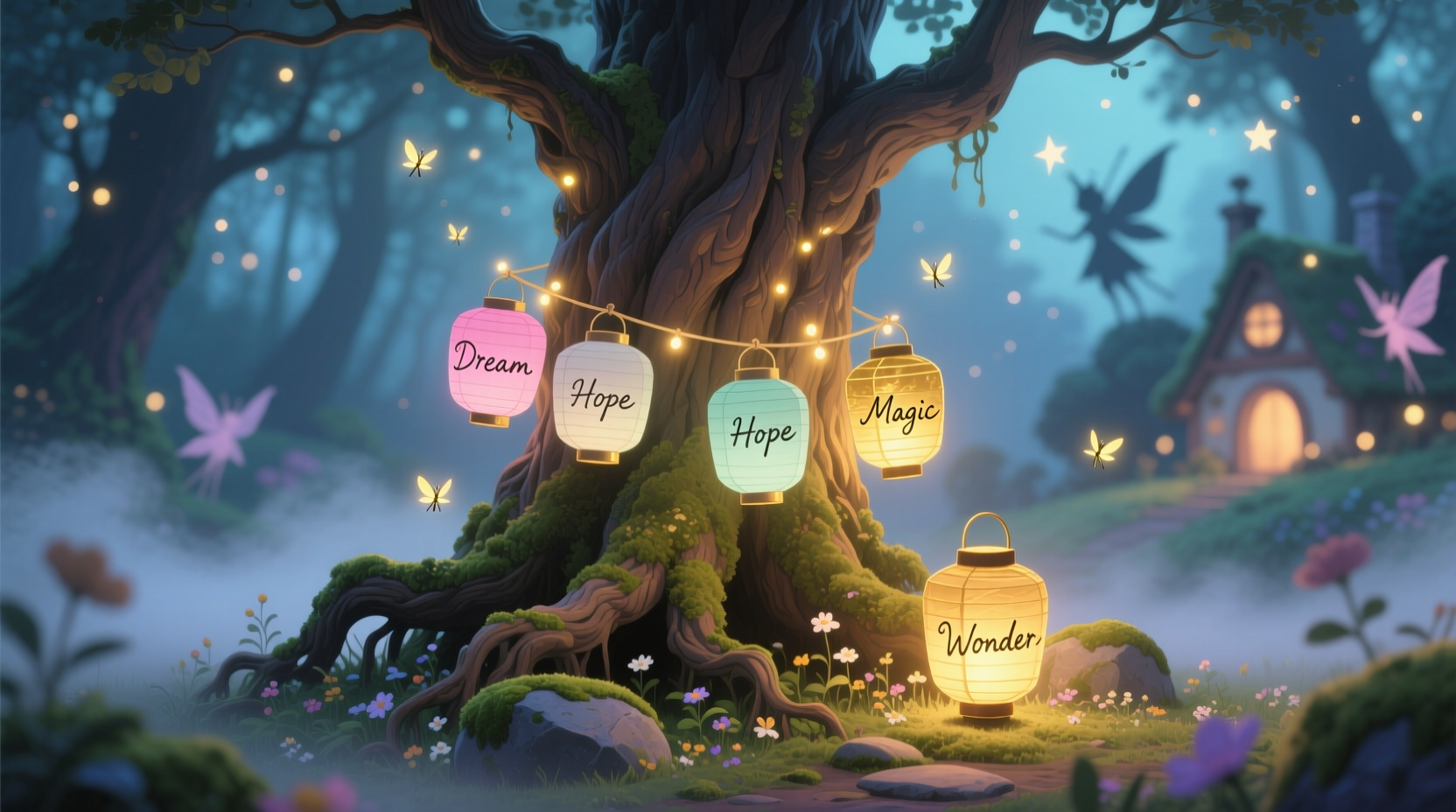
Not all mini lanterns are created equal when it comes to crafting a cohesive, magical look. The first step is choosing styles that align with your desired aesthetic while ensuring safety and durability. Consider material, light source, size, and finish as key decision factors.
Metal lanterns with cut-out patterns cast intricate shadows and suit traditional or steampunk-inspired themes. Glass-paneled versions offer clarity and brightness, ideal for mimicking candlelit windows. For a softer, more organic feel, wood-and-wire or papier-mâché lanterns bring texture without overpowering the scene. Avoid plastic unless it's high-quality and designed to resemble aged metal or frosted glass—cheap materials break immersion.
Light sources matter just as much. LED tea lights or battery-operated string-lit lanterns are safest, especially near real trees or flammable skirts. Flickering LEDs replicate candlelight realistically, while steady warm-white bulbs provide consistent illumination. Never use open flames near a tree, even if it’s artificial.
| Style | Best For | Avoid If |
|---|---|---|
| Vintage Copper | Rustic, enchanted forest themes | Modern minimalist decor |
| Clear Glass with Filigree | Elegant, romantic settings | Households with young children (fragile) |
| Mini Mason Jar Lamps | Country, farmhouse, or DIY looks | Seeking refined sophistication |
| Foldable Paper Lanterns | Temporary displays or rentals | Long-term or outdoor use |
Step-by-Step: Creating a Fairy Tale Tree Base Display
Building a captivating display isn’t about complexity—it’s about intentionality. Follow this timeline to layer lighting, texture, and narrative depth around your tree.
- Clear and Prep the Area: Remove existing decorations from the tree base. Sweep away fallen needles. If using a tree skirt, ensure it lies flat and complements rather than competes with the lanterns.
- Map the Layout: Before placing any lanterns, sketch a rough arrangement on paper or use small stones to mark positions. Aim for asymmetry—a natural, organic flow feels more authentic than perfect symmetry.
- Start with Larger Pieces: Place one or two slightly larger lanterns near the back corners of the base to anchor the design. These act as “focal hearths” within your miniature world.
- Add Mid-Sized Lanterns: Scatter three to five medium lanterns around the mid-perimeter. Vary heights by placing some on books wrapped in kraft paper or wooden crates hidden beneath the skirt.
- Incorporate Small Accents: Tuck tiny lanterns (under 3 inches) among faux moss, pinecones, or ceramic animals. These mimic distant cottage lights or fireflies caught in bramble.
- Test Lighting Effects: Turn off room lights at dusk to evaluate how the glow spreads. Adjust positioning so no single lantern overpowers others. Shadows should intermingle gently.
- Final Touches: Add reflective elements like mirrored tiles beneath lanterns to amplify light. Sprinkle faux snow sparingly around bases for a dusting-of-frost effect.
“Light is the most emotional element in interior storytelling. A single flicker can suggest solitude, warmth, or mystery—especially when framed by a lantern.” — Clara Renning, Interior Narrative Designer
Design Themes and Real-Life Inspiration
To illustrate how effective this technique can be, consider a real example from a lakeside cabin in Vermont. The owner, Mara, wanted her living room to reflect the Nordic tales her grandmother used to read aloud. Instead of conventional ornaments, she built a wintry village scene at the foot of her spruce tree.
She began with six iron-framed lanterns painted in matte black, each housing a flickering LED candle. Behind the tree, she placed a taller lantern to represent a watchtower. Around the front, smaller ones were nestled into beds of reindeer moss, with birch logs forming implied pathways. Tiny wooden deer figurines appeared to pause near the lights, as if drawn by their warmth.
To deepen the illusion, Mara added sound—a Bluetooth speaker playing faint wind chimes and distant sleigh bells on loop. The result wasn’t merely decorative; guests described feeling like they’d stepped into a scene from *The Snow Queen*. Children would crouch down to peer into the lanterns, asking where the “little people” lived.
This approach works across themes:
- Enchanted Forest: Use moss, ferns, and animal figurines. Lanterns appear as shelters for woodland sprites.
- Victorian Village: Pair lanterns with miniature fences, cobblestone decals, and tiny mailboxes.
- Winter Wonderland: Combine white lanterns with silver pinecones and iridescent pebbles for a crystalline effect.
- Whimsical Fairytale: Incorporate colorful stained-glass-style lanterns and ceramic mushrooms for a storybook vibe.
Common Mistakes and How to Avoid Them
Even well-intentioned designs can fall flat if certain pitfalls aren’t addressed. Awareness prevents disappointment.
One frequent error is overcrowding. Placing too many lanterns creates visual noise instead of serenity. Stick to an odd number—three, five, or seven—for balanced asymmetry. Another issue is mismatched color temperatures. Mixing cool-white and warm-white bulbs disrupts the mood. Always standardize to warm white (2700K–3000K) for a cozy, candle-like effect.
Safety is non-negotiable. Some opt for plug-in lantern strings to avoid battery changes, but cords trailing across floors pose tripping hazards and ruin the illusion. Use cord concealers or route wires under rugs carefully. If using multiple battery-powered units, label them with tape indicating purchase date to track replacements.
Finally, neglecting scale distorts the fairy tale effect. Lanterns should appear proportional to imagined inhabitants—not so large they dominate the tree, nor so small they vanish. As a rule, no lantern should exceed one-third the diameter of your tree stand.
Care, Storage, and Year-Round Potential
Mini lanterns need minimal upkeep but benefit from mindful handling. After the season ends, wipe each unit with a dry microfiber cloth. For glass components, use a vinegar-water solution (1:1) applied to the cloth—not sprayed directly—to avoid seeping into electrical parts.
Store lanterns in compartmentalized bins, ideally with dividers. Wrap delicate pieces in tissue paper. Keep batteries removed to prevent corrosion. Label containers clearly: “Tree Base – Warm White Lanterns” or “Fairy Garden Set.” This ensures quick retrieval next season and avoids last-minute scrambles.
Though designed for holidays, these lanterns can transition into other uses. Come spring, place them along a bookshelf with ivy trailing through the bars. In autumn, surround them with acorns and cinnamon sticks for harvest displays. One homeowner uses two lanterns flanking a hallway mirror year-round, calling them her “eternal sentinels.”
“Objects gain meaning through repetition and ritual. A lantern reused across seasons becomes part of a home’s soul.” — Elias Tran, Cultural Historian & Author of *Domestic Mythmaking*
FAQ
Can I use real candles in mini lanterns near my tree?
No. Even with protective enclosures, open flames present a fire risk near dry evergreen needles or synthetic materials. Always use battery-powered or electric LED alternatives for safety.
How do I hide wires effectively?
Use adhesive cord covers that match your floor color, or run wires under area rugs secured with tape. For central placements, consider lanterns with remote-controlled switches so cords can exit toward less visible sides.
Are solar-powered lanterns suitable indoors?
Solar models require direct sunlight to charge, making them impractical for indoor winter use. Reserve them for outdoor garden displays. Indoor setups should rely on replaceable or rechargeable batteries.
Checklist: Building Your Enchanted Tree Base
- ☐ Choose 3–7 mini lanterns in complementary styles and finishes
- ☐ Confirm all use safe, flameless light sources (LED preferred)
- ☐ Test battery life and replace weak cells before display
- ☐ Clear tree base and lay out skirt or fabric backdrop
- ☐ Arrange lanterns in an asymmetrical, organic pattern
- ☐ Layer in natural or thematic accents (moss, pinecones, figurines)
- ☐ Evaluate glow effect in low-light conditions
- ☐ Conceal cords and secure loose components
- ☐ Take photos for memory-keeping or social sharing
- ☐ Create a labeled storage plan for post-holiday packing
Conclusion
The simplest gestures often leave the deepest impressions. A ring of mini lanterns around your tree base does more than illuminate—it invites stillness, wonder, and connection. It transforms decoration into experience, turning seasonal setup into legacy-building. Each flicker recalls childhood stories whispered before bed, journeys through frozen woods, and homes lit from within by kindness and warmth.
You don’t need elaborate craftsmanship or expensive materials. You need vision, care, and the courage to believe in a little magic. Start small. Light one lantern this year. See how it changes the room—and perhaps, how it changes you. Then grow the story, one glow at a time.




 浙公网安备
33010002000092号
浙公网安备
33010002000092号 浙B2-20120091-4
Comments
No comments yet. Why don't you start the discussion?