
There’s no holiday aroma quite like the crisp, earthy scent of a fresh Christmas tree. But for many, that natural fragrance fades over time—or isn’t strong enough to fill the home. While traditional solutions like scented sprays, candles, or potpourri can help, they often leave behind residue, create sticky surfaces, or pose fire risks. The good news: you can enhance your tree’s aroma safely and cleanly with modern, mess-free scent diffusion techniques.
The key is combining subtle aromatic enhancement with thoughtful delivery methods that protect your floors, furniture, and air quality. Whether you have a real fir, spruce, or an artificial tree, this guide walks through proven strategies to infuse your space with festive fragrance—without spills, stains, or synthetic overload.
Why Scent Matters During the Holidays
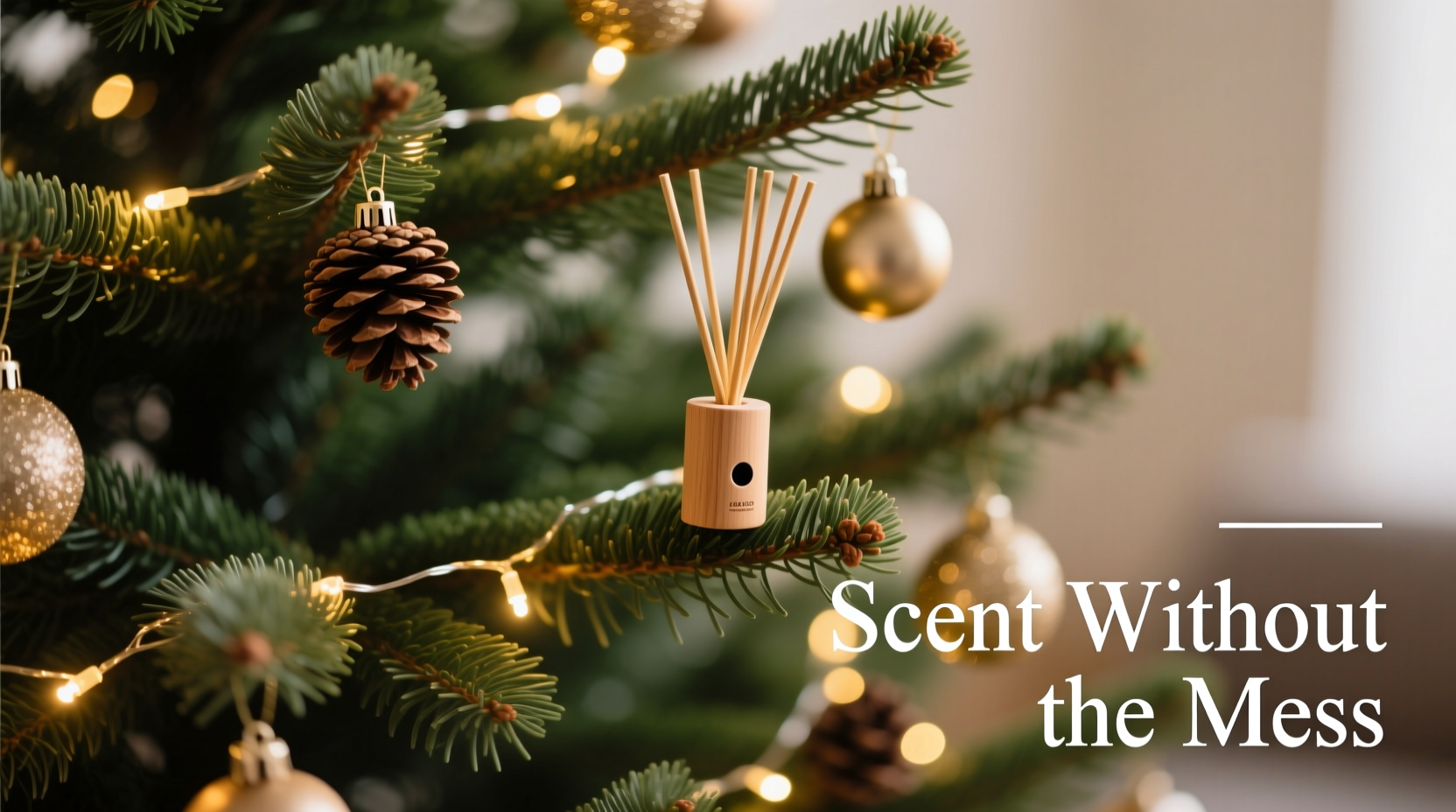
Scent plays a powerful role in memory and emotion. Studies show that olfactory cues are directly linked to the limbic system, the part of the brain responsible for mood and recollection. A whiff of pine, cinnamon, or clove can instantly evoke nostalgia, comfort, and seasonal joy.
Yet many households struggle to maintain consistent fragrance. Real trees lose their potency after a few weeks. Artificial trees offer zero natural scent. And while store-bought tree sprays promise “fresh forest” aromas, they often contain alcohol or propellants that dry out needles and leave oily films on nearby surfaces.
A better solution? Controlled, non-invasive scent diffusion that enhances rather than overwhelms—preserving both the tree and your home’s cleanliness.
Choosing the Right Aromatic Profile
Before applying any scent, consider what kind of atmosphere you want to create. Not all holiday fragrances are created equal, and some blend more naturally with a Christmas tree than others.
- Pine, fir, or spruce: Reinforces the tree’s natural essence. Ideal for purists who want authenticity.
- Citrus-pine blends: Adds brightness and cuts through mustiness. Great for homes with pets or smokers.
- Woodsy-spicy (cedar, clove, cinnamon): Evokes warmth and baking spices. Best for cozy, inviting spaces.
- Fresh-cut forest (with notes of damp soil and bark): Offers realism. Use sparingly to avoid overpowering.
“Matching your diffused scent to the tree’s natural profile creates a layered, immersive experience—like walking through a snowy evergreen grove.” — Dr. Lena Pruitt, Environmental Psychologist & Scent Specialist
Step-by-Step: Clean Scent Diffusion Methods
Follow this timeline to introduce fragrance gradually and safely, starting the moment you set up your tree.
- Day 1 – Prepare the Tree: If using a real tree, make a fresh cut at the base and place it in water immediately. Hydrated trees emit more natural scent. For artificial trees, wipe branches with a dry microfiber cloth to remove dust.
- Day 1 – Install Passive Diffusers: Attach reusable scent pads or felt ornaments infused with essential oils (see below) to higher branches, away from heat sources.
- Day 2 – Activate Airflow-Based Diffusion: Position an ultrasonic diffuser or reed diffuser 4–6 feet from the tree. Use a timer to diffuse in 30-minute intervals.
- Weekly – Refresh Oils: Replenish essential oil blends every 5–7 days to maintain consistency without buildup.
- Ongoing – Monitor Humidity: Keep indoor humidity between 40–60% to support both tree freshness and even scent dispersion.
Built-In vs. External Diffusion: What Works Best
Not all diffusion methods are suitable for proximity to trees. Some risk dripping, overheating, or damaging needles. This table compares popular options based on safety, effectiveness, and mess potential.
| Method | Mess Risk | Tree-Safe? | Best For |
|---|---|---|---|
| Ultrasonic Diffuser (nearby) | Low (if placed on tray) | Yes | Whole-room fragrance with humidity boost |
| Reed Diffuser (on side table) | Very Low | Yes | Subtle, continuous background scent |
| Essential Oil Spritz (direct on tree) | High | No | Avoid—oils can clog stomata, accelerating needle drop |
| Scented Ornaments (felt or wood) | None | Yes | Decorative + functional; customizable strength |
| Plug-in Air Freshener | Low | Conditional | Use only if fragrance-free near tree; some emit volatile compounds that dry needles |
DIY Scented Ornaments: A Zero-Mess Solution
One of the most elegant and mess-free ways to add fragrance is through handmade aromatic ornaments. These double as décor and diffusers, releasing scent slowly through evaporation.
Felt Pinecone Ornaments
- Cut felt into small pinecone shapes (about 2–3 inches long).
- Stitch or glue them into cone forms, leaving the top open.
- Add 5–7 drops of a pine-citrus essential oil blend onto a cotton pad and insert it inside.
- Seal the top with a ribbon loop for hanging.
These release fragrance for up to 10 days before needing a refresh. Replace the cotton pad instead of re-oiling the felt to prevent saturation and staining.
Wood Slice Diffusers
- Use unfinished wood slices (½ inch thick, 2–3 inches wide).
- Drill a small hole at the top and thread with twine.
- Apply 3–4 drops of balsam fir or cedarwood oil directly onto the surface.
- Hang on outer branches where air can circulate.
The wood absorbs the oil and releases it gradually. After two weeks, lightly sand the surface and reapply for a fresh burst.
Real Example: A Cleaner Scent Strategy in Practice
In Portland, Oregon, Sarah Mendoza struggled each year with her Douglas fir losing its scent by mid-December. She used commercial tree sprays but noticed sticky residues on her hardwood floor and TV stand. One year, she switched to a combination of passive methods: a reed diffuser on a console table 5 feet from the tree, and three handmade felt ornaments infused with a blend of spruce, orange, and frankincense.
She placed the reeds downwind of ceiling fans to encourage slow dispersion. Every Sunday, she refreshed the cotton pads in the ornaments. By Christmas Eve, guests commented on the “authentic forest cabin” vibe—without any visible devices or lingering heaviness in the air.
“It was the first year I didn’t have to wipe down my furniture,” she said. “And the tree stayed fresher longer, maybe because I wasn’t spraying chemicals on it.”
Essential Oil Blends for Natural Tree Enhancement
Create your own custom blends using high-quality, 100% pure essential oils. Always dilute in a carrier (like distilled water for diffusers or fractionated coconut oil for wood) unless using in a reed or passive system.
“Natural conifer oils not only smell authentic but may also have mild antimicrobial properties, helping reduce airborne particles around the tree.” — Dr. Alan Zhou, Integrative Aromatherapist
Recommended Holiday Blends (for diffusers or ornaments):
- Forest Morning: 4 parts fir, 2 parts lemon, 1 part eucalyptus
- Northern Woods: 3 parts cedarwood, 2 parts spruce, 1 part patchouli
- Spiced Evergreen: 3 parts pine, 1 part cinnamon bark (use sparingly), 1 part tangerine
- Winter Cabin: 2 parts balsam fir, 2 parts sandalwood, 1 part vanilla (oil-soluble extract)
Checklist: Mess-Free Scent Diffusion Setup
Use this checklist when decorating your tree to ensure a clean, aromatic result:
- ☐ Choose a diffuser type (reed, ultrasonic, or passive ornament)
- ☐ Place diffusers at least 4 feet from tree trunk and electronics
- ☐ Use trays or saucers under any liquid-based device
- ☐ Select essential oils that complement—not compete with—pine
- ☐ Test scent strength in one room before full deployment
- ☐ Label DIY ornaments with oil type and date applied
- ☐ Schedule weekly refreshes on your calendar
- ☐ Keep diffusers out of reach of children and pets
Frequently Asked Questions
Can I use a humidifier to help spread tree scent?
Yes, but with caution. Cool-mist humidifiers can help disperse essential oils when used with an ultrasonic diffuser, and they support tree hydration. However, never add oils directly to a central humidifier system—this can damage internal components and distribute uneven concentrations.
Are electric diffusers safe near Christmas lights?
Most are, provided they are UL-certified and placed on stable, non-flammable surfaces. Keep cords separated from water sources and avoid placing diffusers directly above or beneath light strands to prevent condensation on wiring.
How do I stop the scent from getting too strong?
Start with shorter diffusion cycles (15–30 minutes, twice daily). Increase only if needed. You can also dilute essential oils with unscented carrier oil or use fewer reeds in a diffuser bundle. Your nose adapts quickly—what smells faint initially may become overwhelming after hours.
Final Thoughts: Elevate Your Tree Experience Without the Cleanup
A beautifully scented Christmas tree shouldn’t come at the cost of stained floors, dried-out needles, or chemical-laden air. With thoughtful diffusion methods—especially passive, low-emission options—you can enjoy rich, natural fragrance throughout the season, safely and sustainably.
The most effective approach combines preparation, precision, and patience. Start early, choose compatible scents, and rely on tools designed for controlled release. Whether through handcrafted ornaments, quiet reed diffusers, or timed ultrasonic misting, the goal is harmony: a tree that looks magnificent and smells like a winter forest, without a single drop spilled.




 浙公网安备
33010002000092号
浙公网安备
33010002000092号 浙B2-20120091-4
Comments
No comments yet. Why don't you start the discussion?