
Floating shelves offer a sleek, modern way to display decor, books, and personal treasures in a living room. But when overfilled or poorly arranged, they quickly become visual clutter that overwhelms the space. The key isn’t just what you place on the shelves—it’s how you curate, balance, and maintain them. Thoughtful arrangement transforms floating shelves from storage zones into intentional design features that enhance calm and style.
The goal is not emptiness, but harmony. A well-arranged shelf invites the eye to linger without strain. It tells a story through carefully selected objects, negative space, and consistent visual rhythm. This guide walks through practical strategies to achieve that balance—without sacrificing personality or function.
Start with Purpose: Define the Shelf’s Role
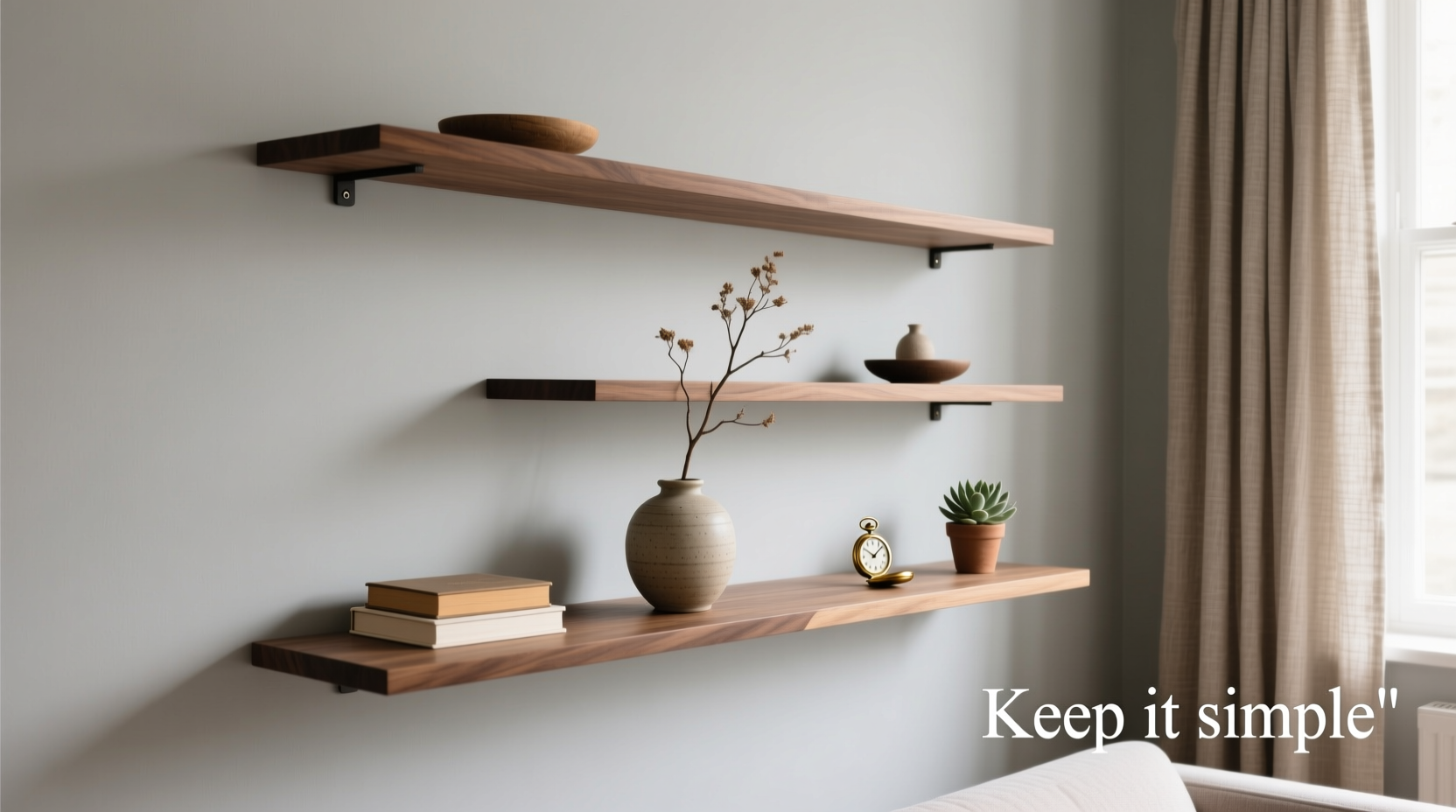
Before placing a single item on your floating shelf, consider its intended purpose. Are these shelves meant for display, storage, or both? Defining their role prevents haphazard accumulation and keeps decisions focused.
Some common purposes include:
- Decorative showcase: Highlight art, sculptures, or travel souvenirs.
- Literary display: Feature favorite books with complementary decor.
- Functional storage: Hold everyday items like remotes, candles, or coasters—out of sight but accessible.
- Personal narrative: Tell a story through family photos, heirlooms, or collected mementos.
Once the purpose is clear, every addition must serve it. This mental filter reduces the temptation to “fill empty space” with irrelevant items.
Apply Design Principles for Visual Calm
Professional interior designers rely on foundational principles to create cohesive, uncluttered spaces. These apply directly to floating shelf styling:
1. Balance Asymmetry with Intention
Symmetry feels orderly; asymmetry feels dynamic. A mix of both creates interest without chaos. For example, pair a tall ceramic vase on one side with a stack of two books and a small sculpture on the other—same visual weight, different forms.
2. Use the Rule of Three
Groupings of three items tend to feel complete and balanced. Odd numbers are more visually engaging than even ones. Try arranging a candle, a framed photo, and a plant together at varying heights.
3. Vary Height and Texture
A shelf filled only with flat books or uniformly sized knickknacks feels monotonous. Incorporate items of differing heights and materials—wood, metal, ceramic, glass—to add depth and tactile interest.
4. Embrace Negative Space
Empty space isn’t wasted space—it’s breathing room. Leave at least 30% of each shelf free. This allows the eye to rest and emphasizes the pieces you’ve chosen to display.
“Clutter isn’t about quantity—it’s about lack of intention. Every object should earn its place.” — Lena Torres, Interior Stylist & Author of *Calm Spaces*
Step-by-Step Guide to Arranging Your Shelves
Follow this sequence to build a curated, clutter-free display:
- Clear everything off. Remove all items from the shelves, even if they’re already there. Start fresh.
- Edit ruthlessly. Sort items into keep, store, donate, or discard piles. Ask: Does this reflect my current taste? Is it meaningful? Is it visually pleasing?
- Group by category or color. Organize remaining items into themes—books by genre, ceramics by color, travel memorabilia. Cohesion reduces visual noise.
- Test arrangements on the floor. Lay out potential groupings on a table or rug before installing them. Take photos to compare compositions.
- Install with balance in mind. Begin with heavier or taller items toward the back or center. Anchor the composition first, then layer in smaller accents.
- Add greenery sparingly. One small plant per shelf adds life without overwhelming. Choose low-maintenance varieties like pothos or snake plants.
- Step back and assess. View the shelves from your sofa or entry point. Does the arrangement feel light or heavy? Adjust spacing or swap items as needed.
- Set a maintenance routine. Dust weekly and re-evaluate contents monthly. Rotate seasonal items to keep displays fresh.
Do’s and Don’ts: Floating Shelf Edition
| Do | Don’t |
|---|---|
| Do use bookends creatively. Angle books or stack them horizontally to break monotony. | Don’t overcrowd. Packed shelves signal disarray, not abundance. |
| Do rotate seasonal decor. Swap in autumn leaves or holiday ornaments temporarily. | Don’t display unused electronics. Old chargers or tangled cords kill aesthetic appeal. |
| Do mix open and closed storage. Pair shelves with cabinets to hide less attractive essentials. | Don’t ignore scale. Oversized items dwarf narrow shelves; tiny trinkets get lost. |
| Do anchor with a statement piece. A bold artwork or large vase draws attention intentionally. | Don’t treat shelves as dumping grounds. If it doesn’t belong, it doesn’t go. |
Real Example: Transforming a Cluttered Shelf
Consider Sarah, a graphic designer in Portland, who struggled with her living room shelves. What began as a display of favorite novels and vacation photos had turned into a catch-all for mail, sunglasses, and mismatched candles. She described the area as “the shelf I can’t look at.”
She followed the editing process: removed everything, kept only meaningful items (a handmade bowl from Mexico, a hardcover design book, a framed sketch by her daughter), and grouped them thoughtfully. She added a trailing ivy in a matte black pot and left half the middle shelf empty.
The result? A focal point that felt intentional and peaceful. Guests now comment on the “serene vibe” of the room. Sarah rotates a single decorative object quarterly—no more than five items total across three shelves. Her rule: if something new comes in, something old goes out.
Create a Curated Checklist
Use this checklist before styling or refreshing your floating shelves:
- ☐ Define the shelf’s primary function (display, storage, hybrid)
- ☐ Remove all items and clean the shelf surface
- ☐ Sort belongings into categories (books, decor, personal items)
- ☐ Keep only items that are meaningful, beautiful, or functional
- ☐ Limit decorative objects to 3–5 per shelf
- ☐ Vary heights and textures for visual interest
- ☐ Include at least one living element (plant, dried flowers)
- ☐ Leave 30%+ of shelf space empty
- ☐ Step back and view from seating level
- ☐ Schedule a monthly review to maintain clarity
This checklist ensures consistency and prevents emotional decision-making. Over time, it becomes second nature.
Integrate Function Without Sacrificing Form
Living rooms need functionality—but hidden functionality. Consider combining floating shelves with discreet storage solutions:
- Use baskets or boxes on lower shelves to stash remotes, headphones, or coasters. Choose neutral tones that blend with the wall.
- Install a shelf above a console table to elevate decor while keeping surfaces clear.
- Mount a slim shelf near the TV to hold a soundbar or streaming device—hide wires with adhesive cord clips.
The trick is to designate certain shelves or zones for utility and others strictly for aesthetics. This separation preserves visual peace while meeting daily needs.
“A shelf should invite curiosity, not confusion. When in doubt, leave it out.” — Marcus Lin, Minimalist Home Consultant
FAQ: Common Questions About Floating Shelf Styling
How high should floating shelves be installed in a living room?
For optimal viewing and accessibility, install the bottom shelf at eye level (approximately 48–60 inches from the floor). If stacking multiple shelves, space them 10–14 inches apart vertically. Adjust based on ceiling height and furniture placement—shelves should relate to nearby sofas or tables, not float disconnectedly.
Can I use floating shelves in a small living room?
Absolutely. In fact, they’re ideal for small spaces because they don’t block floor area. Use fewer shelves (one or two) and keep styling minimal. Light-colored shelves on a light wall enhance openness. Avoid dark, bulky materials that close in the space.
How do I prevent dust buildup on floating shelves?
Dust accumulates faster on horizontal surfaces. To minimize cleaning burden:
- Choose smooth, non-porous materials like lacquered wood or metal.
- Limit fabric-based decor (e.g., cloth-covered boxes) which attract dust.
- Dust weekly with a microfiber cloth or electrostatic duster.
- Seal porous materials like raw wood to reduce particle absorption.
Conclusion: Less Is More, but Meaning Matters
Floating shelves in a living room should elevate the space, not burden it. Clutter isn’t measured in number of objects, but in mental load. Each item on display should bring clarity, joy, or utility—not obligation or visual noise.
By defining purpose, applying design principles, and maintaining discipline, you can create shelves that reflect your taste without overwhelming your senses. Remember: a blank space isn’t empty—it’s poised for possibility. Let your shelves breathe, evolve, and tell a quiet, confident story.




 浙公网安备
33010002000092号
浙公网安备
33010002000092号 浙B2-20120091-4
Comments
No comments yet. Why don't you start the discussion?