
A well-curated capsule wardrobe isn’t just about minimalism—it’s about intentionality. When your clothes are thoughtfully selected to serve multiple purposes, getting dressed becomes less of a chore and more of an expression of confidence. The real challenge? Designing one that works equally well in the boardroom and on a Saturday brunch date. By blending professionalism with personal flair, you can create a versatile collection of pieces that eliminate decision fatigue, reduce clutter, and reflect your lifestyle authentically.
The goal isn’t to wear the same outfit every day. It’s to maximize combinations while minimizing excess. A successful dual-purpose capsule balances structure and comfort, formality and ease, all while staying true to your body type, climate, and daily routines. With strategic planning and mindful purchases, you can craft a wardrobe that feels polished during the week and relaxed on weekends—without sacrificing style.
Understand Your Lifestyle Needs
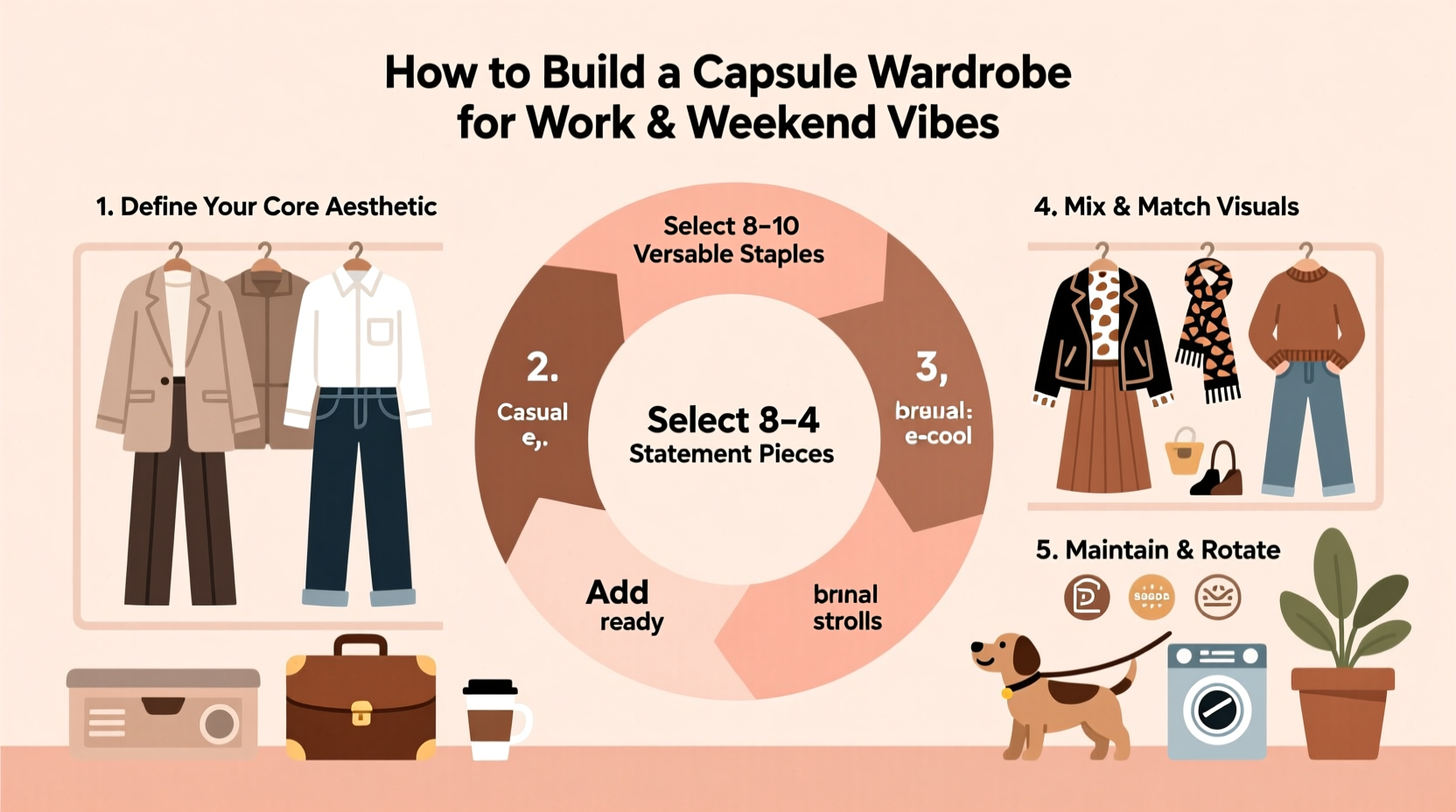
Before buying anything new, take stock of your actual life. Are you in an office three days a week and remote the rest? Do you attend client meetings regularly or mostly collaborate online? What do your weekends typically involve—hiking, social events, errands, or downtime?
Answering these questions helps define the tone and function of your wardrobe. For instance, if your workplace leans toward business casual, you won’t need full suits but should invest in tailored separates. If your weekends include outdoor activities, prioritize breathable fabrics and footwear that transition easily from pavement to trail.
Begin by tracking what you wear for two weeks. Note patterns: Which items appear most often? What causes hesitation when dressing? You may discover that you own five black blazers but never wear any because they’re too stiff for casual settings. Or perhaps you rely heavily on one pair of dark jeans that look sharp with loafers and sneakers alike.
Choose a Cohesive Color Palette
Color harmony is the backbone of a functional capsule. A unified palette ensures that nearly every top pairs effortlessly with every bottom, increasing mix-and-match potential without clashing.
Start with neutrals as your foundation: charcoal gray, navy, beige, olive, and black (if it suits your skin tone). These anchor your wardrobe and provide stability. Then add 1–3 accent colors that complement your complexion and can be used to inject personality—burgundy, rust, sage green, or soft lavender, for example.
Stick to natural tones rather than trend-driven hues. While electric blue might feel exciting now, it could become obsolete quickly and limit pairing options. Earth-based shades have longevity and adaptability across seasons.
| Category | Recommended Colors | Use Case |
|---|---|---|
| Neutrals (Base) | Navy, Taupe, Charcoal, White | Suits, trousers, tees, outerwear |
| Accents (Pop) | Burgundy, Olive, Terracotta | Knitwear, shirts, accessories |
| Avoid | Bright neon, overly trendy pastels | Limited versatility, fast obsolescence |
When layering, maintain tonal consistency. A cream sweater over a white shirt creates subtle contrast; pairing hot pink with lime green distracts the eye and undermines cohesion. Stick to one statement piece per outfit—either a bold top, a textured jacket, or standout shoes—not all three.
Build a Core Collection: The Essential Pieces
Your capsule should revolve around high-quality, timeless garments that serve double duty. Focus on fit, fabric, and flexibility. Natural fibers like cotton, wool, linen, and silk breathe better, drape well, and age gracefully compared to synthetics.
- Tailored Trousers (2 pairs): Choose mid-weight wool or stretch-cotton blends in navy and gray. They look professional with a blouse or blazer but can be softened with a crewneck sweater and sneakers.
- Dark Wash Jeans (1–2 pairs): Opt for straight or slim-straight cuts without distressing. A well-fitting pair elevates a casual Friday look and works for dinner out.
- Crisp Button-Down Shirt (2–3): One white, one light blue, and one in a subtle stripe or texture. Tuck into trousers for work; untucked over jeans for weekends.
- Blazer (1): Navy or charcoal unstructured blazer in cotton or wool blend. Removes instantly from work mode when taken off, yet adds polish when worn.
- Neutral Knitwear (2): A fine-gauge merino sweater in heather gray and another in camel. Layer over shirts or wear alone with jeans.
- Versatile Dress (1–2): Sheath or shirt dress in a solid color. Add a belt and pumps for presentations; slip into sandals and a denim jacket for daytime outings.
- Comfortable Loafers & Clean Sneakers (1 pair each): Black leather loafers bridge office and evening; minimalist white leather sneakers keep weekend looks fresh.
- Outerwear (1–2): A trench coat in beige and a utility jacket in olive cover spring through fall. Both work with formal and informal layers.
Step-by-Step Guide to Building Your Capsule
Follow this timeline over 3–4 weeks to avoid impulse buys and ensure thoughtful curation.
- Week 1: Audit & Declutter
Empty your closet and sort items into four piles: Keep, Replace, Store (seasonal), Donate/Sell. Be ruthless—discard anything ill-fitting, stained, or unworn in the past year. - Week 2: Define Your Palette & List Gaps
Using your lifestyle notes and color strategy, list missing essentials. Prioritize investment pieces first (outerwear, shoes, tailoring). - Week 3: Shop Strategically
Purchase only what fills gaps. Try before buying, even online—check return policies. Stick strictly to your list. - Week 4: Test & Refine
Wear only items from your capsule for seven days. Note friction points: Is there a lack of layering options? Are shoes uncomfortable after hours? Adjust accordingly.
“Simplicity isn’t the absence of clutter; it’s the presence of purpose.” — Matilda Bethomier, Sustainable Style Consultant
Mini Case Study: From Overwhelmed to Organized
Sophie, a 34-year-old marketing manager in Portland, used to spend 20 minutes each morning choosing an outfit. Her closet overflowed with 80+ tops, including multiple versions of similar styles—three black turtlenecks, four striped tees, and six blouses with slight variations.
After auditing her wardrobe, she realized she wore only 15 items consistently. The rest were either too formal, too casual, or didn’t pair well with anything else. She donated 60% of her clothing and built a 35-piece capsule centered on navy, cream, and forest green.
Her core included: two pairs of tailored pants, one blazer, three button-downs, two sweaters, and a midi dress. She added white sneakers and ankle boots. Within two weeks, Sophie reported faster mornings, fewer laundry loads, and increased confidence. Clients complimented her “put-together” look, while friends noticed her weekend outfits felt more intentional.
Checklist: Build Your Dual-Purpose Capsule
- ☐ Assess your weekly schedule and typical dress codes
- ☐ Identify 5–7 core colors that work together
- ☐ Remove all non-essential or poorly fitting clothes
- ☐ List essential categories (tops, bottoms, layers, shoes)
- ☐ Select 8–12 foundational pieces that cross contexts
- ☐ Add 3–5 seasonal or expressive items for variety
- ☐ Invest in quality footwear (1 formal, 1 casual)
- ☐ Test the capsule for one full week
- ☐ Adjust based on real-world feedback
- ☐ Maintain with seasonal reviews every 3 months
Frequently Asked Questions
Can a capsule wardrobe really work for both office and weekend?
Yes—when designed intentionally. The key is selecting pieces with transitional potential. For example, a structured cotton shirt can be worn under a blazer with trousers on Monday and untucked over jeans with sandals on Sunday. Fabric, cut, and color determine adaptability more than category.
How many items should be in a dual-use capsule?
Most effective capsules range between 30–45 pieces, including tops, bottoms, dresses, outerwear, and shoes. This excludes underwear, sleepwear, and workout clothes. The exact number depends on climate, laundry frequency, and personal preference. Start small and expand only if necessary.
What if my workplace has strict dress codes?
Even in formal environments, versatility is possible. Stick to classic silhouettes and neutral palettes. Use accessories—scarves, jewelry, belts—to shift the tone. A silk scarf adds personality to a suit during the week; swap it for a pendant necklace and open collar on weekends to soften the look.
Final Thoughts: Less Is More, But Only If It’s Right
A capsule wardrobe doesn’t succeed because it’s small—it succeeds because it’s aligned. Every garment should earn its place by serving a clear purpose, fitting well, and combining easily with others. When your workwear doubles as weekend-ready, you stop thinking about what to wear and start focusing on what matters: showing up as your best self.
Building this kind of wardrobe takes effort upfront, but the long-term payoff is significant. You’ll save money by avoiding unnecessary purchases, reduce environmental impact through slower consumption, and gain mental clarity from a simplified routine.




 浙公网安备
33010002000092号
浙公网安备
33010002000092号 浙B2-20120091-4
Comments
No comments yet. Why don't you start the discussion?