
Every holiday season, families gather around the Christmas tree to exchange gifts, share stories, and capture moments that last a lifetime. Traditionally, the tree skirt serves a single purpose: to hide the base of the tree. But what if it could do more? With thoughtful design and a bit of creativity, you can build a custom tree skirt that not only frames your tree beautifully but also transforms into a stunning photo backdrop for seasonal portraits.
This dual-purpose project merges functionality with personal expression. Whether you're crafting for your own home or creating a meaningful gift, this guide walks through every step—from selecting materials to styling photos—so you end up with a piece that enhances both your decor and your holiday memories.
Why Combine a Tree Skirt with a Photo Backdrop?
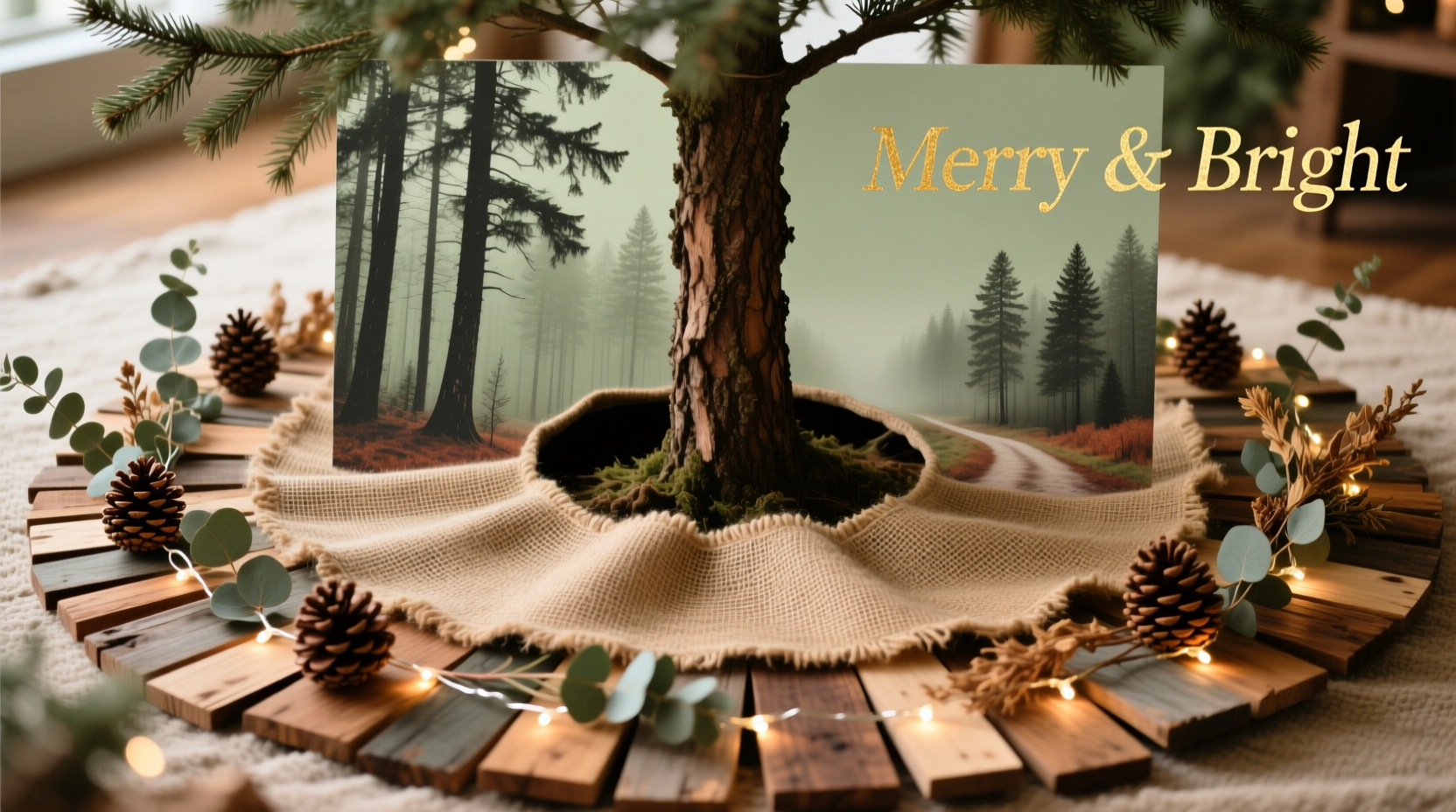
The idea of multipurpose decor isn’t new, but applying it to holiday traditions offers fresh value. A tree skirt typically spends 90% of its life folded in storage. By designing one that pulls double duty, you maximize effort, space, and sentimentality.
Imagine gathering the kids for their annual holiday portrait—no need for a bulky backdrop stand or last-minute Pinterest search. The moment the tree goes up, so does your ready-made photography set. After the photos are taken, simply drape it beneath the tree, secure it in place, and enjoy seamless elegance.
Beyond convenience, this approach fosters storytelling. You can personalize the fabric with names, dates, or motifs that reflect your family’s journey. Over time, each year’s photo taken against the same backdrop becomes a visual timeline—a tradition in itself.
“Designing functional heirlooms is about layering meaning into everyday objects. When a single piece supports ritual and memory, it transcends decoration.” — Clara Nguyen, Sustainable Home Designer
Step-by-Step Guide: Building Your Dual-Purpose Tree Skirt
Creating a tree skirt that works equally well under the tree and behind the lens requires planning, precision, and practical materials. Follow this detailed sequence to ensure success.
- Determine size and shape: Most standard trees use an 80–96 inch diameter skirt. Measure from the trunk to where you want the edge to fall, then double it for full coverage. Circular is traditional, but hexagonal or star-shaped skirts offer modern flair.
- Select backing fabric: Choose a heavy-duty, wrinkle-resistant material like cotton duck canvas, felted wool blend, or upholstery-grade polyester. This will serve as the structural base.
- Pick the front-facing fabric: Use a high-resolution printed fabric, quilted cotton, or even repurposed vintage tablecloths with seasonal patterns. Ensure colors complement your existing decor and photograph well under indoor lighting.
- Cut two identical pieces: Using cardboard or freezer paper, create a template. Trace and cut both the base and top layers from your chosen fabrics.
- Add reinforcement: Iron on lightweight interfacing to the back of the decorative layer to prevent stretching during use and washing.
- Sew layers together: Place right sides facing, pin around the edges, leaving a 10-inch gap at the bottom for turning. Stitch with a ½-inch seam allowance. Trim curves gently to reduce bulk.
- Turn and press: Flip the skirt right-side out through the opening. Use a blunt tool (like a chopstick) to push out corners evenly. Press flat with a warm iron.
- Close the gap: Fold in the raw edges of the opening and hand-stitch or topstitch shut.
- Create a hanging system: Sew three to four discreet fabric loops near the outer edge. These allow you to suspend the skirt vertically using clips or tension rods when used as a backdrop.
- Finish the center opening: Cut a 6–8 inch circle in the center for the tree trunk. Bind the raw edge with bias tape or fold and hem it neatly.
- Optional embellishments: Add ribbon trim, embroidered family names, or appliquéd snowflakes. Avoid bulky items that may interfere with folding or casting shadows in photos.
Material Comparison: Choosing What Works Best
Not all fabrics perform equally when transitioning between floor cover and vertical display. Below is a comparison of common choices based on durability, print quality, ease of care, and photographic performance.
| Fabric Type | Durability | Photo Clarity | Washable? | Best For |
|---|---|---|---|---|
| Cotton Canvas | High | Good | Yes (cold wash) | Families with pets/kids; frequent use |
| Polyester Satin | Medium | Excellent | Spot clean only | Formal settings; high-gloss photography |
| Felt (wool blend) | High | Fair | No – dry clean only | Craft-heavy designs; no-sew options |
| Quilted Cotton | Medium | Good | Yes (gentle cycle) | Heirloom feel; soft texture |
| Outdoor Fabric (Sunbrella-type) | Very High | Good | Yes (durable) | High-traffic homes; allergy-sensitive environments |
Fabric choice should align with your lifestyle. If you have young children or pets, prioritize washable, stain-resistant materials. For formal photography, opt for smooth textures that reflect light evenly and minimize glare.
A Real Example: The Thompson Family’s Memory Skirt
The Thompsons of Portland, Oregon, began making their own tree skirt after struggling with mismatched backdrops and flimsy store-bought options. In 2020, Sarah Thompson—a graphic designer—printed a large-format image of a snowy forest scene on heavyweight cotton, framing it with navy piping and adding her children’s names in gold script.
They mounted grommets along the top edge and hung it from a curtain rod in their living room each December. After taking photos, they removed the rod, laid the skirt beneath the tree, and secured the trunk opening with a decorative wooden ring.
Each year, Sarah updates the digital file slightly—adding a small icon representing that year’s milestone (a graduation cap in 2023, a puppy silhouette in 2021). The original base remains, but the evolving details make it a living archive.
“It started as a craft project,” she says, “but now our kids ask, ‘What symbol are we adding this year?’ It’s become part of our ritual.”
Checklist: Build Your Dual-Use Tree Skirt in 10 Steps
- ☐ Decide on size (standard: 80–96” diameter)
- ☐ Choose durable backing and photo-ready front fabric
- ☐ Create and test a paper template
- ☐ Cut two identical pieces from fabric
- ☐ Apply interfacing to decorative side
- ☐ Pin and sew right sides together, leaving gap
- ☐ Trim seams and turn right-side out
- ☐ Press flat and stitch gap closed
- ☐ Attach hanging loops or grommets near outer edge
- ☐ Cut center hole and finish edge with binding or hem
Once complete, store the skirt rolled (not folded) in a breathable cotton bag to preserve its shape and prevent creasing. Label it clearly so it’s easy to identify next season.
FAQ: Common Questions About Dual-Purpose Tree Skirts
Can I use a printed photo or family image on the skirt?
Absolutely. Many online fabric printers allow you to upload custom images and print them on cotton, polyester, or blended rolls. Just ensure the resolution is at least 150 DPI for clear detail when enlarged. Avoid overly bright whites or dark shadows—they can wash out or block facial features in photos.
How do I keep the backdrop wrinkle-free?
Steam the fabric lightly before hanging. If storing long-term, roll it around a cardboard tube instead of folding. For quick fixes, use a handheld steamer on low heat, holding it several inches away from the surface.
Will the skirt stay in place under the tree?
Yes, especially if weighted. Sew small fabric pockets on the underside and insert flexible chain or sandbags (available at craft stores). Alternatively, tuck the edges under heavy ornaments or tree stand legs. Avoid adhesives or tapes that might leave residue.
Final Thoughts: More Than Just Decor
A custom tree skirt that doubles as a photo backdrop is more than a DIY project—it’s an investment in tradition. It bridges the physical space between celebration and memory, turning a simple circular fabric into a vessel for legacy.
In a world where holidays often blur into rushed schedules and digital overload, this kind of intentional design brings focus back to presence. Each stitch carries meaning. Each photo captures not just faces, but context—the very rug upon which your family stands, year after year.
You don’t need advanced sewing skills to begin. Start simple: a solid-colored skirt with a printed border. As confidence grows, experiment with layered textures, interactive elements like chalkboard panels for messages, or even LED-integrated trims for soft illumination.




 浙公网安备
33010002000092号
浙公网安备
33010002000092号 浙B2-20120091-4
Comments
No comments yet. Why don't you start the discussion?