
Purchasing a website is no longer reserved for tech entrepreneurs or venture capitalists. With the rise of digital assets, more people are investing in online businesses as a path to financial independence. Whether you're looking for passive income, a creative outlet, or a scalable business model, buying an existing website can be faster and less risky than building from scratch. But without the right approach, it's easy to overpay, inherit hidden problems, or misjudge potential. This guide walks you through every stage—strategically, safely, and successfully.
Define Your Goals and Budget
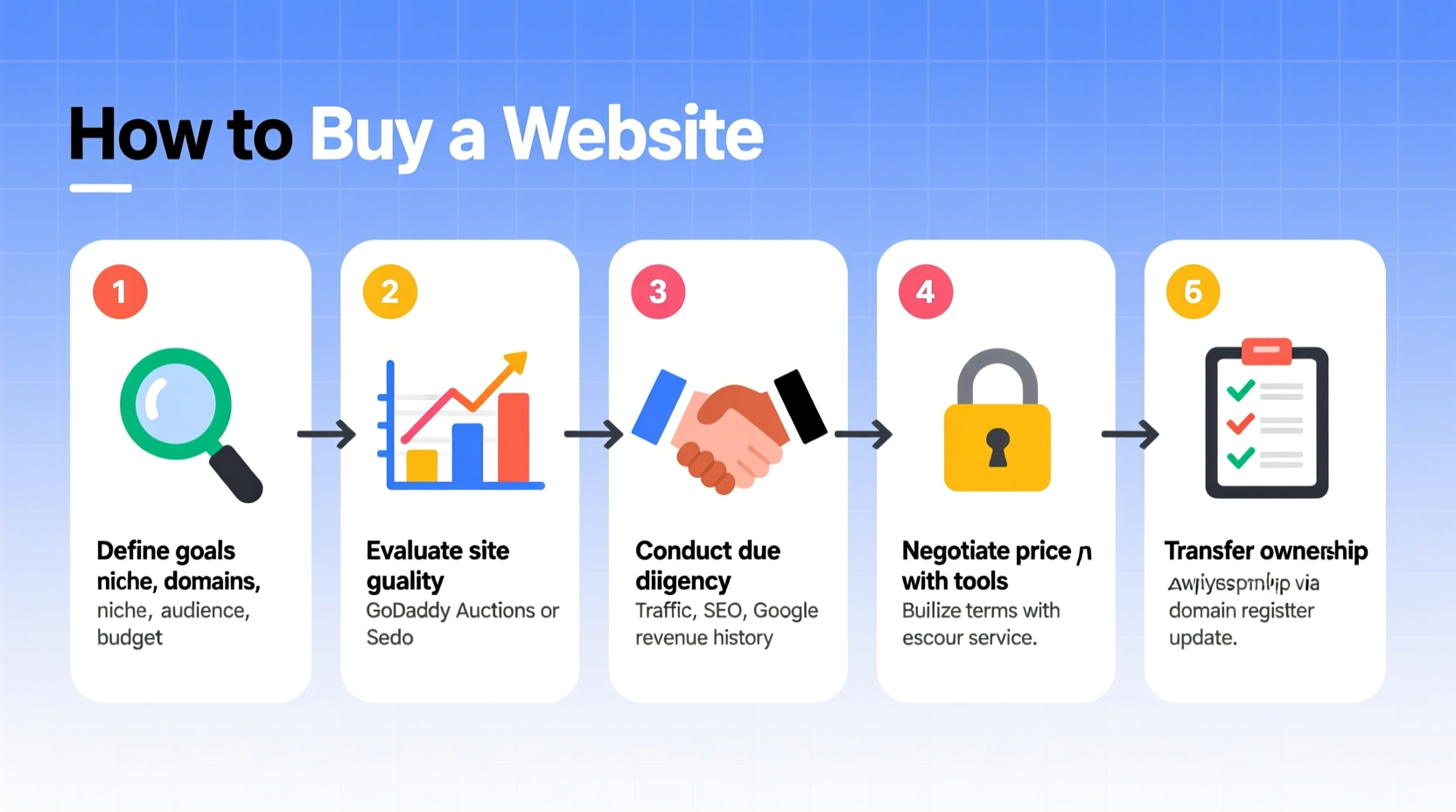
Before browsing marketplaces, clarify what kind of website aligns with your skills, interests, and financial capacity. A blog about hiking gear requires different management than an e-commerce store selling skincare. Ask yourself:
- What niche am I passionate about or knowledgeable in?
- Do I want active involvement or truly passive income?
- Can I handle technical maintenance, content creation, or customer service?
- What’s my maximum budget, including due diligence and transition support?
Your answers will shape your search. For example, if you’re not technical, avoid sites reliant on custom-coded features. If you want low maintenance, subscription-based models or ad-supported blogs may suit you better than inventory-heavy stores.
Where to Find Websites for Sale
Not all websites are listed publicly, and some of the best opportunities come from off-market deals. Here are the most reliable sources:
- Online Marketplaces: Platforms like Flippa, Empire Flippers, and FE International specialize in vetted website sales. They offer traffic data, profit records, and escrow services.
- Niche Forums and Communities: Sites like Indie Hackers, MicroConf forums, or niche-specific Facebook groups often have members selling quietly.
- Brokerage Services: Premium brokers like Quiet Light Brokerage or Digital Exits represent higher-value sites ($100K+) with full financial audits.
- Direct Outreach: Identify successful blogs or small stores in your niche and contact the owner directly—even if not for sale.
Start by filtering listings based on revenue, growth trends, and required effort. Avoid emotionally driven purchases; focus on metrics that predict sustainability.
Step-by-Step Buying Process
Buying a website isn’t like ordering software. It involves research, negotiation, verification, and secure transfer. Follow this timeline to minimize risk:
- Research & Shortlist (1–2 weeks): Identify 5–10 potential sites matching your criteria. Note their traffic sources, monetization methods, and update frequency.
- Initial Contact & Data Request (3–5 days): Reach out to sellers or brokers. Request proof of earnings (via Google AdSense, Stripe, PayPal), analytics access (Google Analytics), and domain registration details.
- Due Diligence (1–2 weeks): Verify traffic authenticity, check for Google penalties, audit backlinks, and review legal compliance (privacy policies, GDPR).
- Negotiate Terms (3–7 days): Discuss price, payment structure (lump sum vs. earn-out), and transition support (e.g., 30–60 days of handover).
- Secure Escrow & Transfer (1 week): Use a trusted third-party service like Escrow.com to hold funds until domain, hosting, and admin access are fully transferred.
- Post-Purchase Optimization (Ongoing): Audit site performance, fix technical issues, and implement growth strategies within the first 90 days.
“Most website buyers fail not because they overpay, but because they skip due diligence. Traffic can be faked. Revenue can be inflated. Always verify independently.” — James Hamilton, Website Acquisition Consultant
Critical Evaluation Checklist
Before committing, assess each site using this checklist:
- ✅ 12+ months of consistent revenue and traffic (not seasonal spikes)
- ✅ Diversified traffic sources (not 80%+ from one channel)
- ✅ Clean backlink profile (no spammy links or manual penalties)
- ✅ Legal ownership of domain and content (no copyright claims)
- ✅ Monetization aligned with audience (ads, affiliates, products)
- ✅ Low ongoing time commitment (under 10 hours/week if passive)
- ✅ Seller provides full access and transition support
- ✅ No reliance on black-hat SEO or banned platforms
Avoiding Common Pitfalls: Do’s and Don’ts
| Do | Don’t |
|---|---|
| Verify financials through third-party tools (e.g., Google Analytics, bank statements) | Rely solely on screenshots provided by the seller |
| Use escrow for all transactions over $1,000 | Send direct payments via PayPal Friends & Family or wire transfers |
| Check domain age and history using WHOIS and Archive.org | Buy domains with less than 6 months registration |
| Test site speed, mobile responsiveness, and core functionality | Ignore technical debt like outdated plugins or broken links |
Real Example: How Sarah Bought a Profitable Blog
Sarah, a former teacher interested in sustainable living, wanted to generate side income. She set a $25,000 budget and focused on eco-lifestyle blogs with at least $2,000/month in affiliate revenue.
After three weeks of searching, she found a blog called “GreenHomeTips.com” listed on Empire Flippers for $24,500. It had 18 months of verified earnings, ranked well for low-competition keywords, and earned primarily through Amazon Associates and eco-product sponsors.
Sarah requested access to Google Analytics and Adsense, confirmed traffic was organic and growing, and used SEMrush to verify backlinks were natural. She negotiated a 30-day handover period and paid via Escrow.com.
Within two months, she increased monthly revenue by 22% by updating old posts and adding email capture forms. Today, the site earns over $3,500/month with minimal weekly effort.
Frequently Asked Questions
Can I buy a website with no technical experience?
Yes. Many websites—especially content-based ones—are managed through user-friendly platforms like WordPress. You can hire freelancers for technical tasks or choose sites sold with full migration support.
How long does the buying process take?
Typically 4 to 8 weeks, depending on due diligence complexity and seller responsiveness. Simpler sites under $10,000 may close in 2–3 weeks.
What happens after I buy the site?
You gain full control of the domain, hosting, content, and revenue accounts. Most sellers provide a handover document. Your first steps should include changing passwords, setting up backups, and auditing site health.
Final Thoughts: Start Smart, Grow Confidently
Buying a website is a powerful way to enter the digital economy—but only if done with discipline and clarity. The most successful buyers aren’t those with the biggest budgets, but those who prioritize due diligence, long-term fit, and post-purchase action. A well-chosen site can generate income for years, evolve with your goals, and even become a valuable asset to resell.
The internet is full of overlooked opportunities. With the right strategy, you don’t need to build something from nothing. You can acquire what already works—and make it thrive under your stewardship.




 浙公网安备
33010002000092号
浙公网安备
33010002000092号 浙B2-20120091-4
Comments
No comments yet. Why don't you start the discussion?